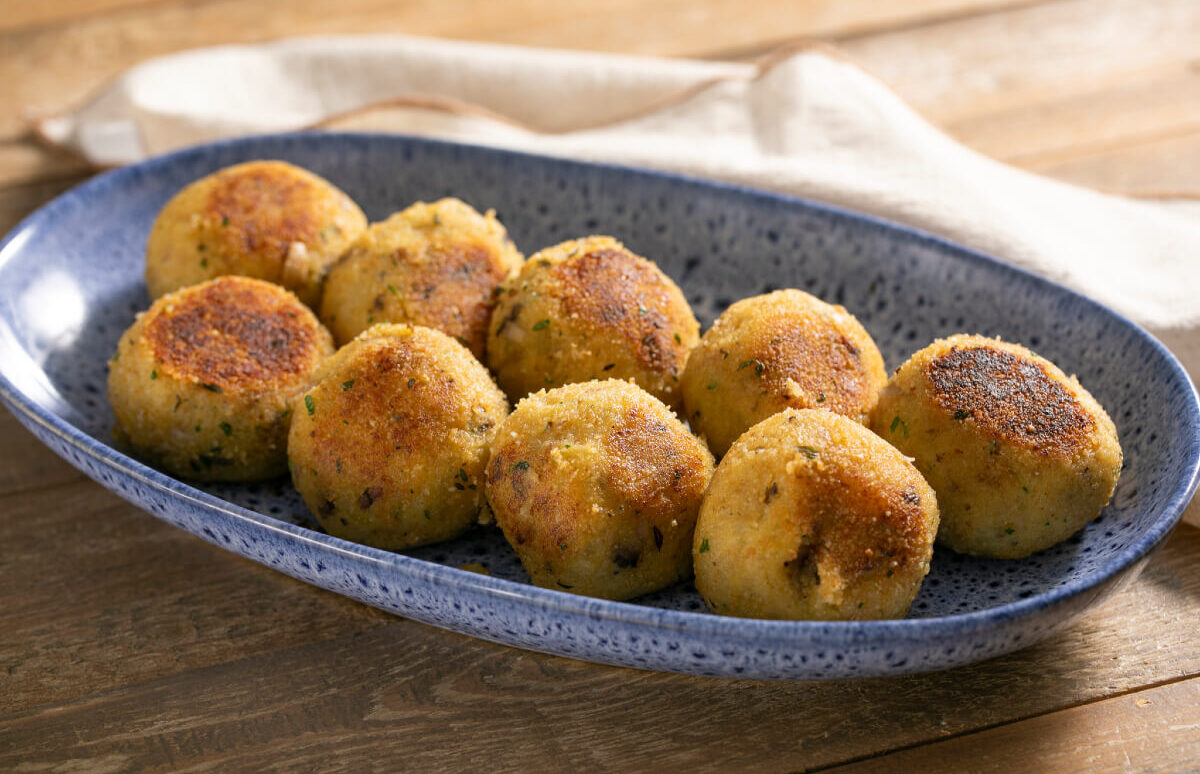
Cheesy potato balls are a popular baked snack that combines a crispy outer layer with a soft and flavorful center. They are easy to prepare, require simple ingredients, and work well as appetizers, side dishes, or party snacks.
Baking instead of frying also creates a lighter version while still delivering satisfying texture and flavor. One reason cheesy potato balls remain popular is their versatility. Different cheeses, seasonings, and dipping sauces can be used to create unique variations.
They can be served as a quick snack or as part of a larger meal. Although the recipe is simple, a few details greatly affect the result. Potato choice, moisture control, seasoning balance, shaping, and baking technique all contribute to the final texture.
This guide explains how to select ingredients, prepare the mixture, prevent cracking, bake successfully, and serve cheesy potato balls with confidence.
Cheesy Potato Balls Ingredients And How To Choose The Right Potatoes And Cheese
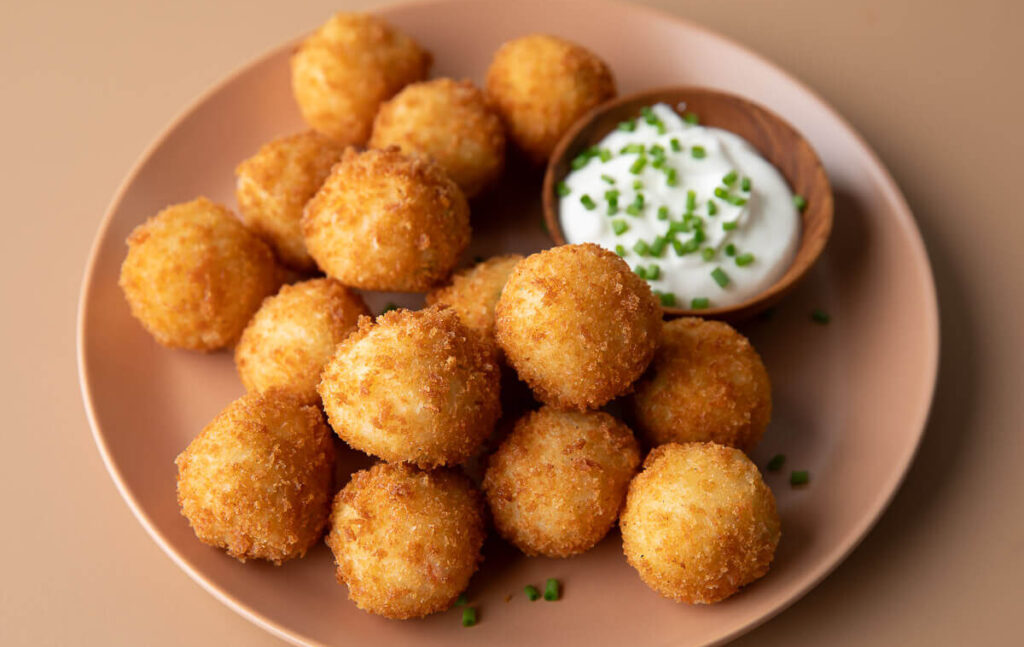
The quality of the ingredients plays a major role in making great cheesy potato balls. Potatoes and cheese are the two most important components. Starchy potatoes are generally preferred because they create a smoother mixture and hold their shape better after baking.
Potatoes with excessive moisture can make shaping more difficult. After boiling, the potatoes should be drained well before mashing. Removing extra moisture helps produce a firmer mixture. Cheese selection is equally important.
Cheddar, mozzarella, and similar cheeses are popular because they melt well and provide rich flavor. Some cooks mix cheese throughout the mixture, while others place it in the center for a melted filling effect.
Binding ingredients such as eggs or breadcrumbs help keep the mixture together. Small amounts are usually enough to improve structure. Seasonings like black pepper, paprika, garlic powder, and dried herbs can enhance flavor without overpowering the potatoes and cheese.
Using fresh ingredients and balanced proportions helps create more flavorful cheesy potato balls with better texture.
Cheesy Potato Balls Mixture Tips For Better Texture, Seasoning, And Easy Shaping
A well prepared mixture is the foundation of successful cheesy potato balls. The texture should be firm enough to shape easily while remaining soft after baking. The potatoes should be mashed until smooth but not overmixed.
Excessive mixing can sometimes create a sticky consistency. Cheese should be distributed evenly throughout the mixture. This helps ensure consistent flavor in every bite. Seasoning should be added gradually and adjusted according to personal preference.
A balanced mixture often produces better results than one with overly strong seasoning. If the mixture feels too wet, breadcrumbs can help absorb excess moisture. If it feels too dry, a small amount of milk may improve consistency.
Creating evenly sized balls helps ensure uniform baking. Similar sizes allow each piece to cook at the same rate. Allowing the mixture to rest briefly before shaping can also improve handling and make preparation easier.
A properly prepared mixture gives cheesy potato balls their characteristic soft center and satisfying texture.
How To Prevent Cracking And Falling Apart With Better Chilling And Coating Steps
Preventing cracks and maintaining structure is important when preparing cheesy potato balls. Fortunately, a few simple techniques can make a significant difference. Chilling is one of the most effective methods. After shaping, the balls should be refrigerated before baking.
This helps them become firmer and easier to handle. Coating also improves durability. Breadcrumbs create a protective outer layer that helps hold the shape while contributing to a crisp finish.
Some recipes use a double coating method by repeating the egg and breadcrumb process. This creates a thicker crust and additional crunch. The type of breadcrumbs can influence texture.
Larger crumbs usually create a more noticeable crunch, while finer crumbs produce a smoother appearance. Proper spacing on the baking tray is also important. Allowing room between the balls improves airflow and encourages even cooking.
Using parchment paper prevents sticking and makes cleanup easier. These simple steps help cheesy potato balls maintain their shape while developing a crisp exterior.
Cheesy Potato Balls Baking Method For A Crisp Outside And Soft Center
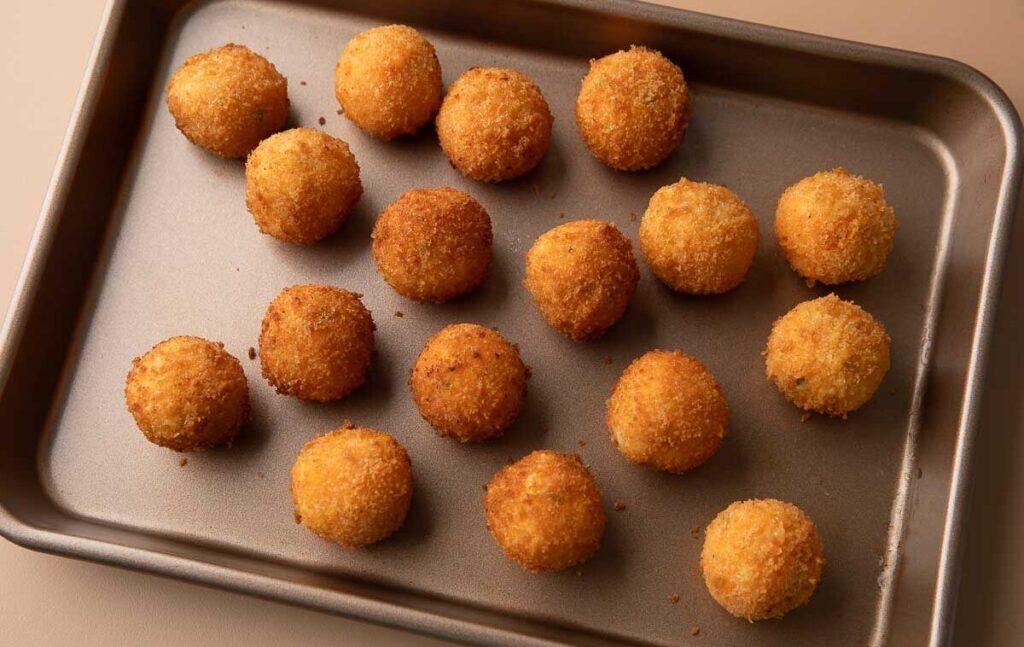
The baking process has a major impact on the final quality of cheesy potato balls. The goal is a golden crust with a soft and flavorful interior. Preheating the oven is essential. Starting with a fully heated oven helps the coating begin crisping immediately.
Placing the tray near the center of the oven usually provides the most even results. Heat circulates more consistently at this level. Turning the balls once during baking can improve browning on all sides. This is particularly useful when preparing larger batches.
Opening the oven too often should be avoided because heat loss can affect texture and baking performance. Some cooks use a brief broiling period near the end of baking to increase crispness. This should be monitored carefully to prevent overbrowning.
Different cheeses may melt differently, slightly affecting texture and baking time. When baked properly, cheesy potato balls develop a crisp exterior that contrasts perfectly with the soft center.
Serving Ideas With Sauces, Sides, And Storage Tips
Serving options can greatly enhance the enjoyment of cheesy potato balls. A good sauce or side dish adds variety and complements the rich potato and cheese flavors.
Popular dipping sauces include garlic yogurt sauce, spicy tomato sauce, ranch dressing, and herb based dips. Offering several options allows guests to customize their experience. Fresh salads can provide balance and contrast.
Crisp vegetables and lighter side dishes help offset the richness of cheesy potato balls. For parties and gatherings, serving the balls in smaller portions with toothpicks can make them easier to enjoy as finger food. Proper storage is also important.
Leftover cheesy potato balls should be placed in airtight containers and refrigerated. This helps preserve both flavor and texture. When reheating, an oven or air fryer generally produces better results than a microwave. These methods help restore some of the original crispness.
Freezing is another practical option. Many cooks freeze the shaped balls before baking, allowing them to be prepared fresh at a later time. With thoughtful serving, storage, and reheating methods, cheesy potato balls can remain delicious well beyond the day they are prepared.
See you in the next post,
Anil UZUN