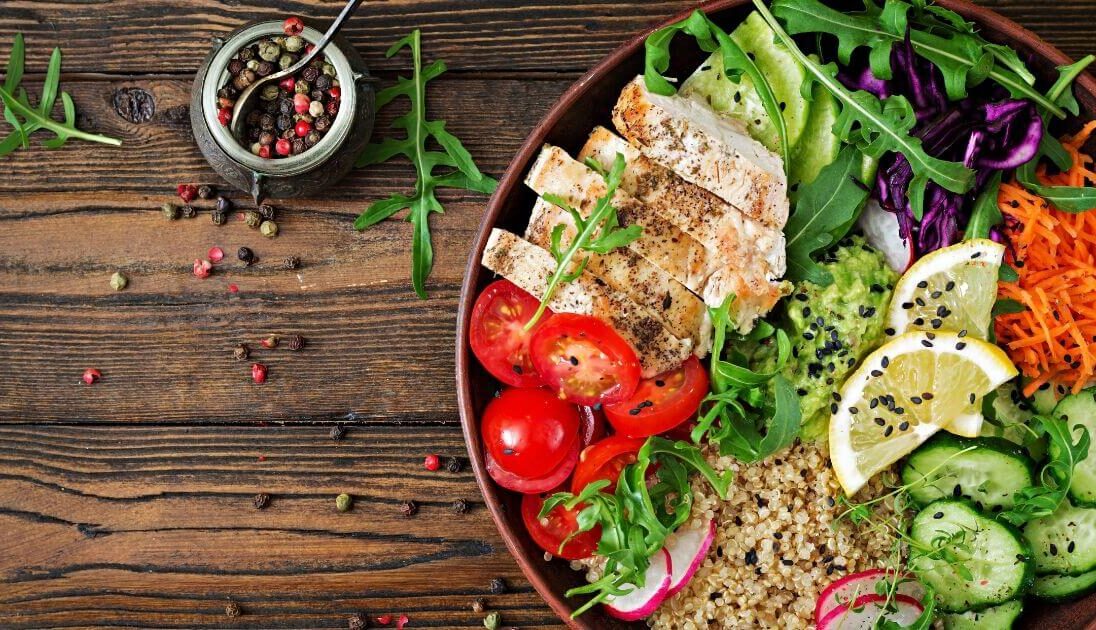
For athletes and active people, high protein meals can support daily energy, muscle recovery, satiety, and overall meal balance. Whether someone trains in the gym, runs regularly, plays sports, or simply follows an active lifestyle, protein rich meals can make it easier to stay consistent with nutrition goals.
The key is not only eating more protein, but also combining it with the right carbohydrates, healthy fats, fiber, and micronutrients. Protein helps repair and build muscle tissue after physical activity.
It also makes meals more filling, which can help active people maintain a stable eating routine throughout the day. However, a strong meal plan should not depend on protein alone.
Vegetables, whole grains, legumes, dairy, fruits, and healthy fats all play important roles in supporting performance and recovery. A practical approach is often more successful than a strict one. Meals should be easy to prepare, enjoyable, and realistic for daily life.
This guide explains how to build balanced high protein meals, choose suitable ingredients, plan food around training, prepare simple recipes, and organize weekly meals for a more practical routine.
High Protein Meals For Choosing The Best Ingredients And Nutrient Balance
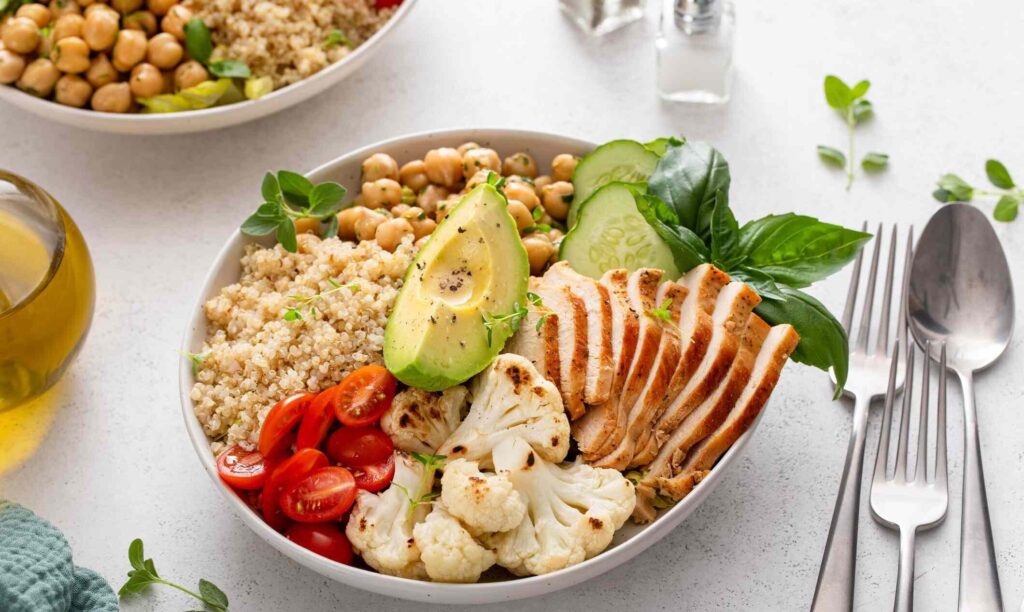
The best high protein meals begin with smart ingredient choices. Protein quality matters, but so does the overall balance of the plate.
Lean animal proteins such as chicken breast, turkey, fish, eggs, and lean beef are commonly used by athletes because they are versatile and easy to prepare. These ingredients can fit into salads, bowls, wraps, omelets, and main dishes.
Fish is especially useful for lighter meals. Salmon, tuna, cod, and sardines can provide protein along with beneficial fats depending on the type of fish selected. Eggs are one of the most flexible protein sources.
They can be used for breakfast, lunch, or dinner in omelets, boiled egg bowls, sandwiches, or vegetable based dishes. Legumes are also valuable. Lentils, chickpeas, beans, and peas provide plant based protein, fiber, and slow digesting carbohydrates.
They are especially useful for athletes who want more variety or prefer plant focused meals. Dairy products can support daily protein intake as well. Greek yogurt, cottage cheese, kefir, and low fat cheese can be used in snacks, breakfast bowls, sauces, or simple meal combinations.
A balanced plate should also include vegetables, whole grains, and healthy fats. This makes high protein meals more complete, filling, and sustainable for active lifestyles.
High Protein Meals Before And After Training For Better Energy And Recovery
Meal timing can influence how comfortable and energized a person feels during training. High protein meals can be planned differently before and after exercise depending on the workout type and personal needs.
Before training, the goal is usually to provide steady energy without making the stomach feel too heavy. A meal with moderate protein and easy to digest carbohydrates often works well.
Examples include a chicken and rice bowl, Greek yogurt with oats, eggs with whole grain toast, or a turkey sandwich with vegetables. These meals provide both fuel and satiety. Very heavy meals right before training may cause discomfort.
For this reason, larger meals are usually better eaten earlier, while lighter snacks may be more suitable closer to the workout. After training, the focus shifts toward recovery. Protein helps repair muscle tissue, while carbohydrates help restore energy.
A balanced post workout plate can include chicken with potatoes, tuna with whole grain bread, eggs with vegetables, or lentils with rice. Hydration should not be ignored. Water intake supports performance, digestion, and recovery, especially after intense sessions.
Each person’s ideal timing may differ. Training intensity, body size, goals, schedule, and digestion all affect what works best. When planned thoughtfully, high protein meals can support both training energy and post workout recovery without making the routine complicated.
Easy Recipe Ideas With Chicken Fish Eggs Legumes And Dairy
Practical recipes make healthy eating easier to maintain. High protein meals should be simple enough to prepare regularly, especially for people with busy schedules. Chicken is one of the easiest ingredients to use.
Grilled chicken bowls, chicken wraps, chicken salads, and oven baked chicken with vegetables are all quick options. Seasoning with herbs, lemon, garlic, or mild spices can keep meals interesting. Fish meals can be light and fast.
Baked salmon with vegetables, tuna salad with whole grain toast, or grilled white fish with rice can create balanced plates with minimal preparation. Egg based meals are useful at any time of day.
A vegetable omelet, boiled eggs with salad, scrambled eggs with cottage cheese, or egg wraps can provide protein without requiring long cooking time. Legumes offer affordable and filling options. Lentil soup, chickpea salad, bean bowls, and lentil patties can be prepared in larger batches and used throughout the week.
Dairy can also be part of practical meals. Greek yogurt with oats and fruit, cottage cheese with vegetables, or kefir based smoothies can work well for breakfast or snacks. Combining ingredients creates more variety.
For example, a bowl with lentils, yogurt sauce, greens, and grilled chicken can provide protein from several sources. The best high protein meals are not necessarily complex. Simple combinations prepared consistently often create the most sustainable results.
High Protein Meals With Balanced Calories Carbs Fiber And Healthy Fats
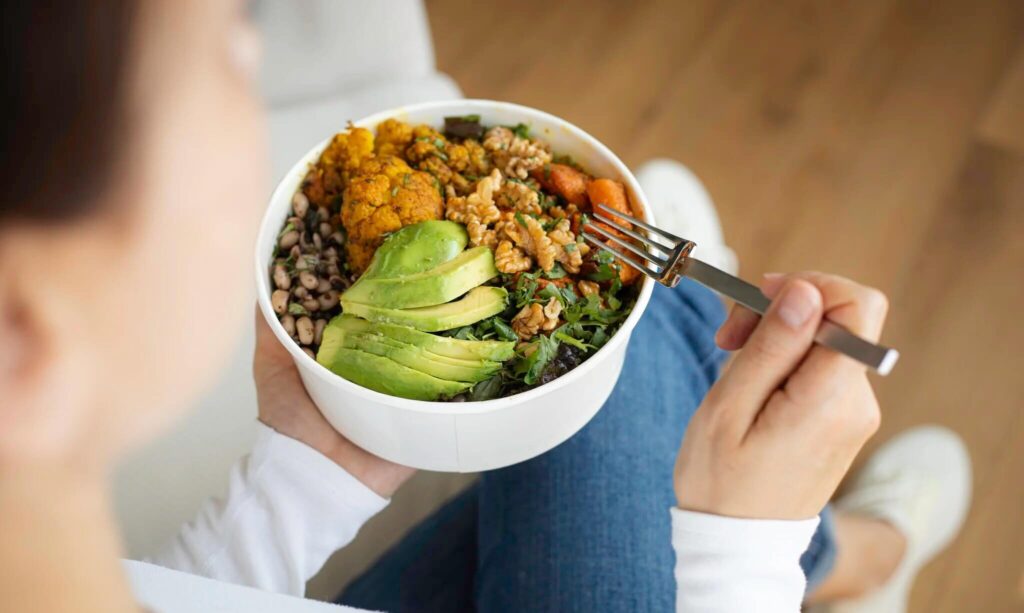
Protein is important, but balanced nutrition requires more than protein alone. High protein meals should also include the right amount of calories, carbohydrates, fiber, and healthy fats.
Calories should match the person’s goal. Someone trying to gain muscle may need more total energy, while someone focused on weight management may need more controlled portions. Carbohydrates are especially important for active people.
Whole grains, oats, potatoes, rice, fruit, and legumes can provide energy for training and daily activity. Fiber supports digestion and helps meals feel more satisfying. Vegetables, beans, lentils, fruits, and whole grains are useful fiber sources.
Healthy fats also have a place in balanced meals. Olive oil, avocado, nuts, seeds, and fatty fish can add flavor and support overall nutrition. The key is portion control because fats are energy dense.
A balanced plate might include one protein source, one carbohydrate source, plenty of vegetables, and a small amount of healthy fat. This structure keeps the meal simple and flexible. Sauces and cooking methods can change the calorie level quickly.
Fried foods, heavy dressings, and large amounts of oil may increase calories more than expected. Well planned high protein meals provide nutrition without becoming extreme or difficult to follow. Balance is what makes the routine sustainable.
Weekly Prep Storage And Portion Tips For A More Practical Routine
Weekly preparation can make high protein meals much easier to maintain. For athletes and active people, having ready ingredients reduces the chance of skipping meals or choosing less balanced options.
A simple weekly plan can start with two or three protein sources. For example, grilled chicken, boiled eggs, cooked lentils, or baked fish can be prepared ahead of time. Vegetables can also be washed, chopped, or roasted in advance.
Some fresh vegetables are better prepared close to serving, but having basic ingredients ready saves time. Carbohydrate sources such as rice, bulgur, potatoes, oats, or whole grain pasta can be cooked in batches and portioned for several meals.
Storage matters for both freshness and food safety. Cooked meals should be kept in suitable containers and refrigerated properly. Foods that freeze well can be divided into portions for later use. Portioning helps maintain consistency.
Preparing meals in containers makes it easier to control protein, carbohydrates, vegetables, and fats without measuring everything each time. Using different sauces and seasonings can prevent meals from feeling repetitive.
The same chicken or lentils can taste different with yogurt sauce, lemon dressing, herbs, or mild spices. A practical routine should be flexible. Some meals can be fully prepared in advance, while others can be assembled quickly from ready ingredients.
With weekly planning, smart storage, and simple portion control, high protein meals can become an easy part of an active lifestyle. The goal is to create meals that support training, recovery, energy, and long term consistency without making daily nutrition feel stressful.
See you in the next post,
Anil UZUN