
The eggplant lasagna recipe is a perfect alternative to traditional lasagna, offering a lighter, more nutritious, and equally satisfying dish. By replacing or combining pasta sheets with slices of eggplant, you create a layered meal that is rich in flavor while being more vegetable-focused. This approach not only enhances the nutritional value but also adds a unique texture and depth that makes the dish stand out.
One of the main advantages of an eggplant lasagna recipe is its versatility. It can easily be adapted for vegetarian diets or enriched with meat sauces for a more classic flavor profile. The eggplant acts as a sponge, absorbing the sauce and seasoning, which results in a rich and well-balanced bite in every layer. However, achieving the right texture requires proper preparation techniques, especially when it comes to managing moisture.
Another reason why the eggplant lasagna recipe is so popular is its ability to deliver comfort food satisfaction without feeling too heavy. The combination of melted cheese, savory sauce, and tender eggplant creates a dish that is both indulgent and balanced. It is ideal for family dinners, meal prep, or even special occasions where you want to serve something impressive yet simple to prepare.
In addition, this recipe allows for creative customization. Different cheeses, herbs, and sauces can be used to adjust the flavor according to personal preference. Whether you prefer a classic tomato-based version or a creamy white sauce variation, the eggplant lasagna recipe provides a flexible base to experiment with. When prepared correctly, it delivers restaurant-quality results right from your home kitchen.
Eggplant Lasagna Recipe Ingredients: Choosing Eggplant, Cheese, And The Right Sauce
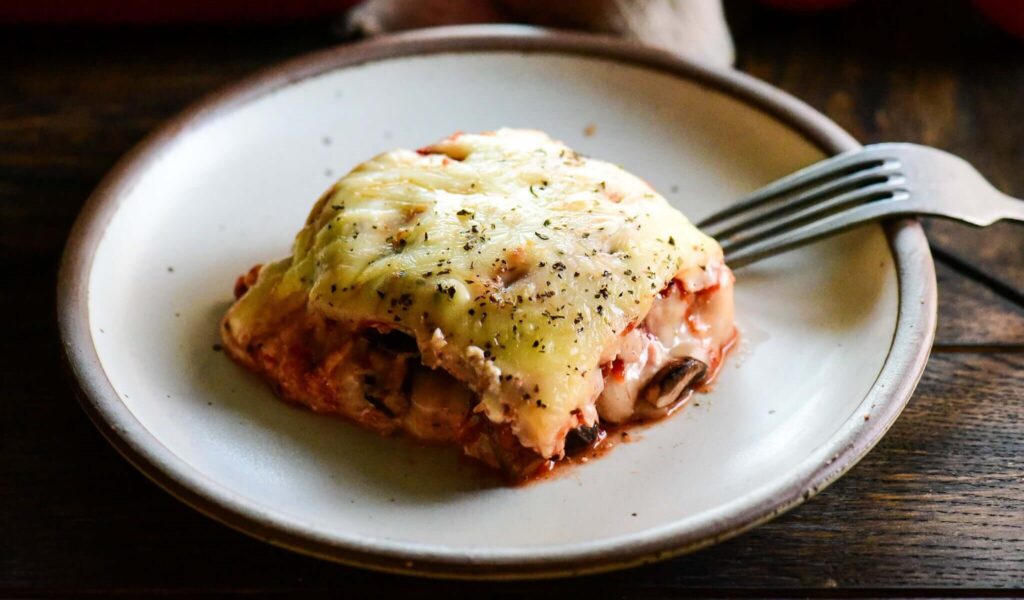
The success of an eggplant lasagna recipe starts with selecting high-quality ingredients. Eggplant is the star of the dish, so choosing the right type is essential. Look for firm, glossy eggplants with smooth skin and minimal seeds. Smaller eggplants are usually less bitter and have a more delicate texture, making them ideal for layering.
Cheese selection plays a major role in both flavor and texture. Mozzarella is commonly used for its meltability and stretch, while parmesan adds a sharp, savory depth. Ricotta or cottage cheese can be used to create a creamy layer that balances the acidity of the tomato sauce. The combination of these cheeses helps achieve the perfect richness in an eggplant lasagna recipe.
The sauce is another critical component. A well-balanced tomato sauce made with garlic, onion, olive oil, and herbs like basil and oregano enhances the natural flavor of the eggplant. It is important to avoid overly watery sauces, as excess liquid can lead to soggy layers. A slightly thick, concentrated sauce works best for maintaining structure.
Seasoning should not be overlooked. Salt, pepper, and herbs should be layered carefully throughout the dish rather than added all at once. This ensures that every bite of the eggplant lasagna recipe is flavorful and balanced. Using fresh herbs when possible can also elevate the overall taste.
Preparing The Eggplant: Salting, Roasting Vs Frying, And Avoiding Soggy Layers
Proper preparation of eggplant is essential for a successful eggplant lasagna recipe. The first step is slicing the eggplant evenly, usually into thin rounds or lengthwise strips. Consistent thickness ensures even cooking and prevents some pieces from becoming too soft while others remain undercooked.
Salting the eggplant is a key technique. After slicing, sprinkle salt over the pieces and let them sit for about 20 to 30 minutes. This process draws out excess moisture and reduces any bitterness. Afterward, the slices should be rinsed and thoroughly dried with a paper towel. This step significantly improves the texture of the final dish.
When it comes to cooking methods, roasting is often preferred over frying. Roasting the eggplant in the oven with a light drizzle of olive oil results in a softer texture without excessive oil absorption. Frying, while flavorful, can make the layers too greasy if not done carefully. For a balanced eggplant lasagna recipe, roasting provides the best compromise between taste and health.
Avoiding soggy layers is crucial. Pre-cooking the eggplant removes moisture, and using a thicker sauce helps maintain structure. Layering should be done carefully to ensure that excess liquid does not accumulate. By managing these details, the eggplant lasagna recipe will have a firm yet tender consistency.
Eggplant Lasagna Recipe Layering: Building Structure, Flavor, And The Perfect Texture
Layering is where the eggplant lasagna recipe truly comes together. The process begins with a thin layer of sauce at the bottom of the baking dish. This prevents sticking and creates a moist base for the first layer of eggplant.
The layers should alternate between eggplant slices, sauce, and cheese. Each layer must be evenly distributed to ensure consistent flavor throughout the dish. Too much cheese can make the lasagna overly heavy, while too little can result in a lack of richness. Finding the right balance is key.
Typically, three to four layers are ideal for an eggplant lasagna recipe. This provides enough depth without making the dish too dense. Each layer should be gently pressed down to remove air pockets and help the ingredients bind together.
The top layer is especially important. It should include a generous amount of cheese to create a golden, slightly crispy crust when baked. This contrast between the soft interior and the slightly crisp top is what makes the eggplant lasagna recipe so satisfying.
Baking Tips: Getting A Golden Top, Even Cooking, And Resting Time
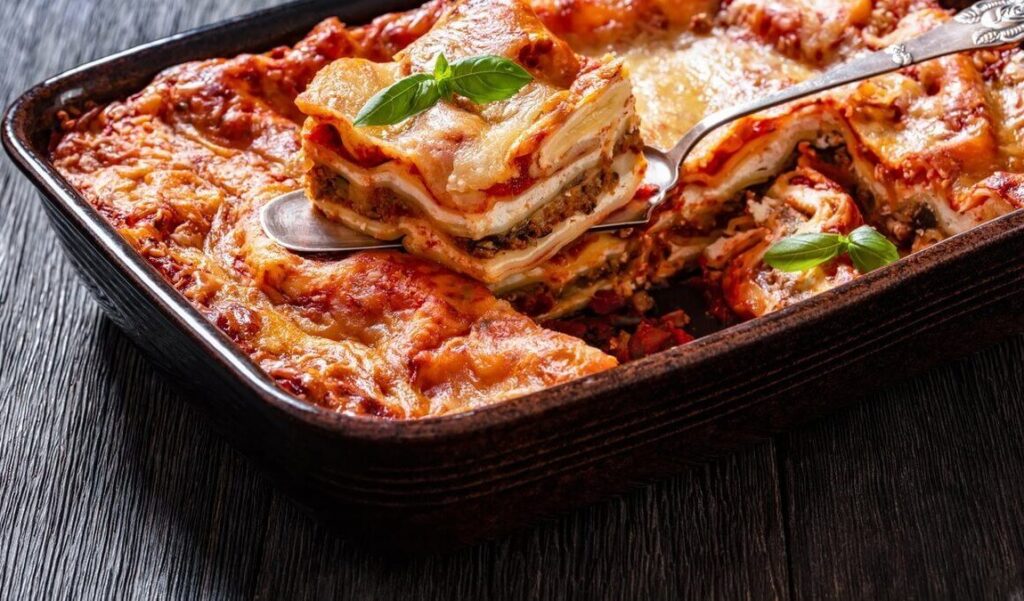
Baking is the final step that transforms the prepared layers into a cohesive eggplant lasagna recipe. Preheating the oven to around 180 to 200 degrees Celsius ensures even cooking from the start. Covering the dish with foil during the initial baking phase helps retain moisture and allows the layers to cook evenly.
After about 25 to 30 minutes, the foil can be removed to allow the top to brown. This step is essential for achieving that signature golden crust. It is important to monitor the lasagna closely during this stage to prevent burning.
Even cooking depends on both temperature and time. Baking for too long can dry out the dish, while undercooking can leave the layers too soft. A properly baked eggplant lasagna recipe should have bubbling sauce and melted cheese throughout.
Resting time is often overlooked but extremely important. Allowing the lasagna to sit for 10 to 15 minutes after removing it from the oven helps the layers set. This makes slicing easier and improves presentation. It also allows the flavors to settle and intensify.
Eggplant Lasagna Recipe Serving And Storage: Sides, Reheating, And Freezing Tips
Serving the eggplant lasagna recipe properly enhances the overall dining experience. It pairs well with light side dishes such as green salads, roasted vegetables, or garlic bread. These sides complement the richness of the lasagna without overpowering it.
For presentation, slicing the lasagna into clean portions is easier after it has rested. Garnishing with fresh herbs like basil or parsley adds both color and freshness. This simple touch can elevate the visual appeal of the dish.
Storage is another advantage of the eggplant lasagna recipe. It can be kept in the refrigerator for up to three days without losing its flavor. When reheating, using an oven is recommended to maintain texture. Covering the dish with foil during reheating prevents it from drying out.
Freezing is also an option. The lasagna can be frozen either before or after baking. When ready to use, it should be thawed slowly in the refrigerator and then reheated in the oven. This makes the eggplant lasagna recipe a practical choice for meal planning and batch cooking.
See you in the next post,
Anil UZUN