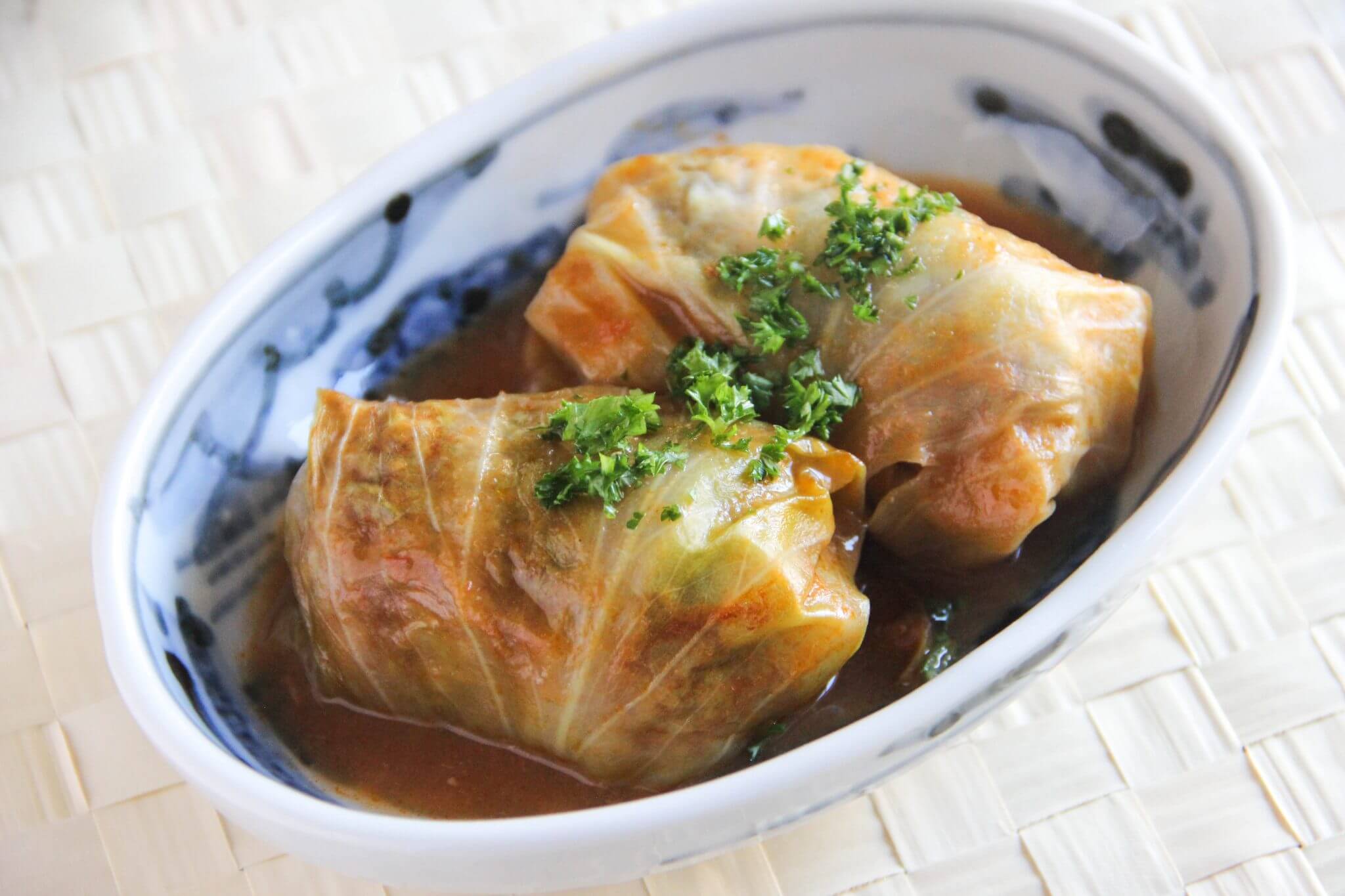
Cabbage rolls are a classic dish known for their balanced flavor, comforting texture, and traditional preparation methods. Found in many cuisines with slight variations, they combine simple ingredients like cabbage leaves, rice, and meat into a satisfying and versatile meal.
When prepared correctly, Cabbage rolls offer both rich taste and a well structured presentation. One of the reasons this dish is so popular is its flexibility. The filling can be adjusted depending on taste, and the cooking method allows for different textures.
However, achieving the best result requires attention to each step. From selecting the right cabbage to managing the cooking process, every detail contributes to the final outcome. This is why mastering Cabbage rolls involves more than just following a recipe.
Another important factor is consistency. Evenly sized rolls, properly balanced filling, and controlled cooking all play a role in creating a uniform result.
Small mistakes in wrapping or cooking can lead to uneven texture or broken rolls. Understanding these details helps you prepare better Cabbage rolls every time.
In this guide, you will learn how to prepare the filling, wrap the rolls correctly, manage the cooking process, choose the right cabbage, and handle serving and storage. With the right techniques, making Cabbage rolls becomes much easier and more reliable.
Cabbage Rolls Filling How To Balance Rice Meat And Seasoning
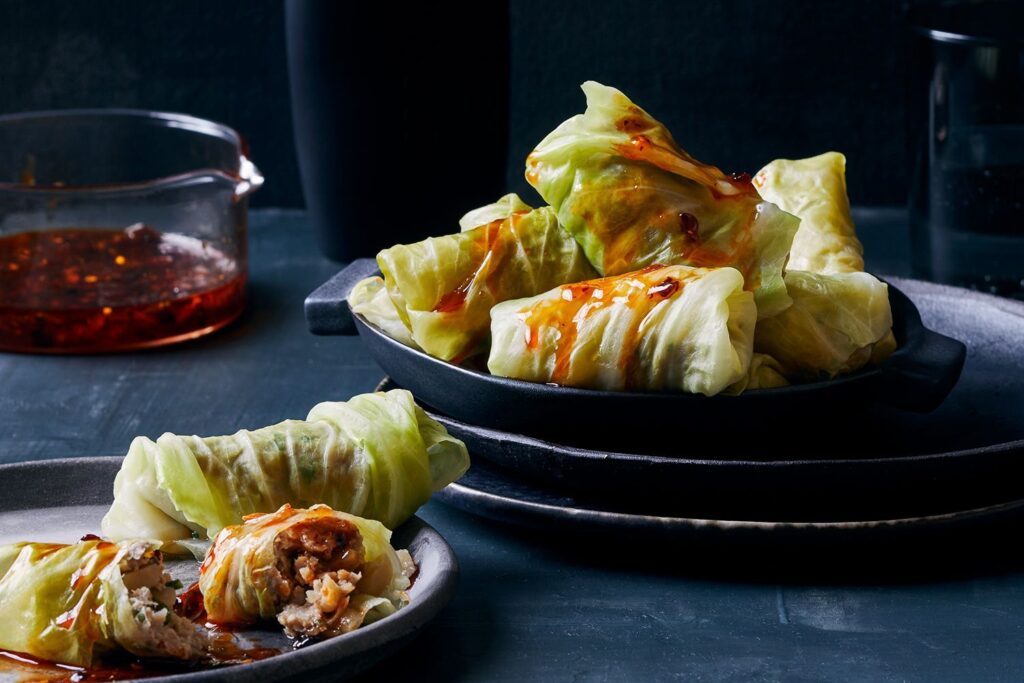
The filling is the core of Cabbage rolls, and getting the balance right is essential for flavor and texture. A good filling should be moist, well seasoned, and evenly mixed so that every bite feels consistent.
Rice is the main base of the filling. It should not be overcooked before mixing, as it will continue to soften during cooking. Slightly undercooked rice works best because it absorbs flavor while the rolls cook. This detail is important when preparing Cabbage rolls with the right texture.
Meat adds richness and depth. Ground meat with a moderate fat level is ideal, as it keeps the filling from becoming dry. Too lean meat can result in a less satisfying texture, while too much fat can make the dish heavy.
Seasoning must be balanced carefully. Salt, pepper, and optional herbs should enhance the filling without overpowering the cabbage. Adding finely chopped onion and fresh herbs improves both aroma and taste.
Mixing should be done gently but thoroughly. This ensures that all ingredients are evenly distributed. A well balanced filling makes a noticeable difference in the quality of Cabbage rolls.
Cabbage Rolls Wrapping Technique Tips For Tight And Even Rolls
Proper wrapping is one of the most important steps in making Cabbage rolls. A good wrapping technique ensures that the rolls stay intact during cooking and maintain an even shape.
Start by placing a cabbage leaf on a flat surface. If the stem is thick, trim it slightly to make rolling easier. This small preparation step helps improve the overall structure of your Cabbage rolls.
Add a moderate amount of filling to the center of the leaf. Using too much filling can make the roll difficult to close, while too little filling results in a loose structure. Finding the right balance is key.
Fold the sides inward first, then roll the leaf forward tightly. The goal is to create a compact roll that holds its shape. However, it should not be too tight, as the filling needs space to expand during cooking.
Keeping all rolls similar in size is also important. This ensures even cooking and a consistent appearance. Well wrapped Cabbage rolls look better and cook more evenly. With practice, wrapping becomes easier and faster, leading to more uniform results.
How To Choose And Prepare Cabbage Leaves For Easier Rolling
Choosing the right cabbage is a critical step in making Cabbage rolls. The quality of the leaves directly affects how easy they are to work with and how the final dish turns out.
Look for cabbage heads that are medium sized with flexible leaves. Leaves that are too thick or rigid can make rolling difficult. Softer leaves are easier to shape and less likely to tear. This makes a big difference when preparing Cabbage rolls.
Separating the leaves should be done carefully to avoid damage. Removing them slowly helps keep them intact. Once separated, the leaves need to be softened. Boiling water is commonly used for this process.
Briefly placing the leaves in hot water makes them more flexible. The goal is to soften them without overcooking. Over softened leaves can tear easily and lose structure. After softening, let the leaves cool before handling.
This makes them easier to work with and reduces the risk of damage. Proper preparation of the leaves improves both the appearance and quality of Cabbage rolls.
Cabbage Rolls Cooking Method Pot Layering Liquid Ratio And Low Heat Control
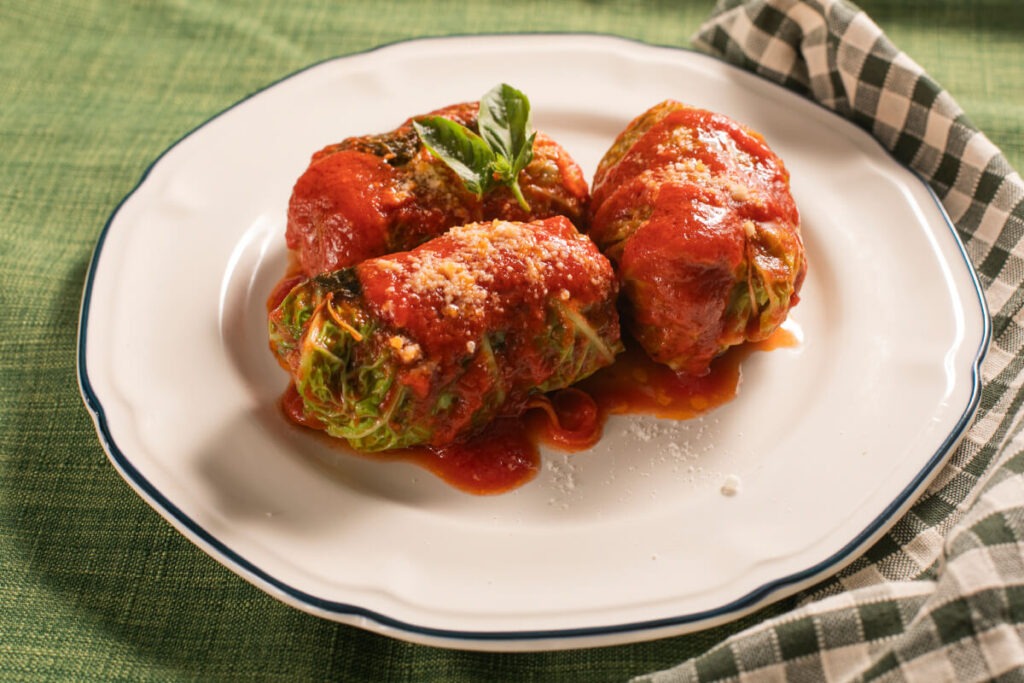
Cooking Cabbage rolls properly is essential for achieving the right texture and flavor. Even well prepared rolls can fail if the cooking process is not managed carefully. This stage requires attention to layering, liquid balance, and heat control.
Start by lining the bottom of the pot with extra cabbage leaves. This prevents the rolls from sticking and protects them from direct heat. Once the base is ready, place the rolls tightly next to each other.
A compact arrangement helps maintain their shape during cooking. This step is crucial for keeping Cabbage rolls intact. Layering should be done carefully. If you need to stack multiple layers, make sure they are evenly arranged.
Avoid leaving gaps, as movement during cooking can cause the rolls to open. The liquid ratio is another key factor. The liquid should come close to the top of the rolls but not fully cover them with excess.
Too much liquid can weaken the structure, while too little can lead to uneven cooking. Maintaining the right balance ensures that Cabbage rolls cook evenly and absorb flavor properly. Low heat control is essential.
Cooking at high temperature can cause the rolls to break apart and the filling to cook unevenly. A slow and steady simmer allows the cabbage to soften while the filling cooks thoroughly. This method creates a tender texture and a more developed flavor.
Cooking time should not be rushed. Allowing the rolls to cook gradually results in a much better outcome. Properly cooked Cabbage rolls are soft, flavorful, and hold their shape well.
Serving And Storage Tips Yogurt Lemon Reheating And Next Day Flavor
Serving and storing Cabbage rolls correctly can enhance both flavor and texture. Small details in this stage can make a noticeable difference in the overall experience. When serving, adding yogurt or a light squeeze of lemon can balance the richness of the dish.
These simple additions provide contrast and freshness. They also highlight the natural flavor of Cabbage rolls. Presentation matters as well. Arranging the rolls neatly on a plate makes the dish more appealing.
A light drizzle of sauce or cooking liquid can improve both taste and appearance. Storage is equally important. Cabbage rolls should be kept in an airtight container and refrigerated. Proper storage helps maintain moisture and prevents the rolls from drying out.
One interesting aspect is that the flavor often improves the next day. As the ingredients rest, they blend more deeply, creating a richer taste. This makes leftover Cabbage rolls even more enjoyable.
Reheating should be done gently. Low heat helps preserve the texture and prevents the rolls from breaking. Adding a small amount of liquid during reheating can keep them moist. By following these serving and storage tips, Cabbage rolls remain delicious even after the first day.
See you in the next post,
Anil UZUN