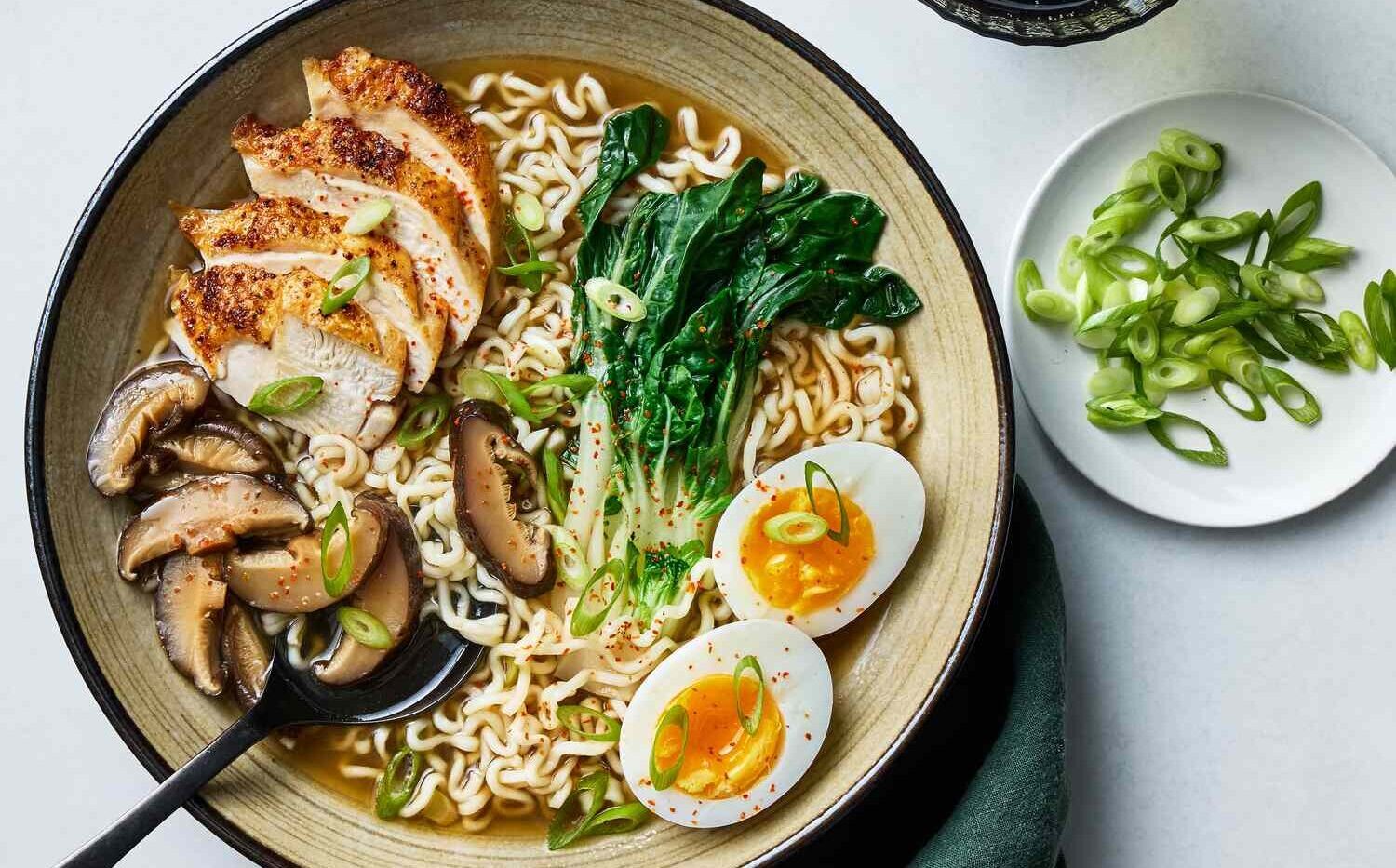
A good ramen recipe can turn a simple bowl of noodles into a rich and satisfying meal. While many people associate ramen with instant noodles, traditional ramen is built around flavorful broth, carefully cooked noodles, balanced seasonings, and well prepared toppings.
The combination of these elements creates a meal that is both comforting and full of character. Ramen became popular because it offers flexibility. Different broths, proteins, vegetables, and seasonings allow home cooks to create a bowl that suits their own preferences.
Some versions are rich and hearty, while others are lighter and more focused on fresh ingredients. Making ramen at home may seem complicated, but the process becomes much easier when it is divided into simple steps.
Understanding noodles, broth, cooking order, and toppings helps create a better final result. A successful ramen recipe depends on balance. No single ingredient should dominate the bowl.
Instead, each component should contribute to a complete and enjoyable flavor experience. This guide explains how to choose ingredients, prepare broth, manage cooking times, select toppings, and serve ramen successfully at home.
Ramen Recipe Ingredients And How To Choose The Right Noodles
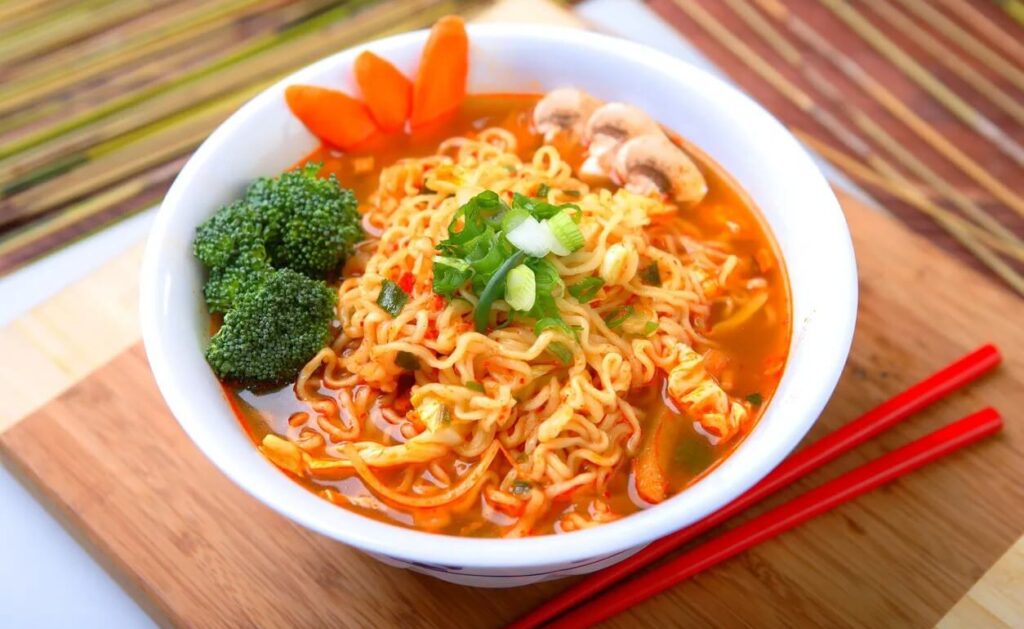
The foundation of a good ramen recipe begins with quality ingredients. While broth receives much of the attention, noodles play an equally important role because they provide the texture that defines ramen.
Traditional ramen noodles are made from wheat flour and have a slightly chewy consistency. They are designed to remain firm even when served in hot broth. This texture helps distinguish ramen from many other noodle dishes.
Fresh noodles are often preferred because they provide a softer and more authentic texture. However, high quality dried ramen noodles can also produce excellent results. Several supporting ingredients help build flavor.
Garlic, ginger, soy sauce, sesame oil, and green onions are common choices. These ingredients contribute aroma and complexity without overwhelming the dish. Protein options vary widely. Chicken, pork, beef, seafood, tofu, and eggs are all frequently used.
Different proteins create different styles of ramen and allow for customization. Vegetables such as mushrooms, spinach, corn, bean sprouts, and bamboo shoots add texture, color, and nutritional value.
A balanced ramen recipe starts with ingredients that complement one another rather than compete for attention.
Ramen Recipe Broth Tips For Better Flavor With Stock, Miso, And Seasoning
The broth is often considered the most important part of a ramen recipe. It provides depth, richness, and the overall flavor profile of the dish. Chicken stock is one of the most common bases because it offers strong flavor without becoming overly heavy.
Vegetable stock can also work well for lighter versions. Miso is frequently used to add depth and umami. A small amount can significantly improve complexity, but excessive use may overpower the broth. Soy sauce is another essential ingredient in many ramen styles.
It contributes saltiness and enhances overall flavor. The key is finding the right balance between stock, miso, and soy sauce. Fresh ginger and garlic can provide additional aroma. These ingredients help create layers of flavor and make the broth more interesting.
Many home cooks make the mistake of adding too many seasonings at once. A better approach is to taste frequently and make gradual adjustments. A successful ramen recipe creates harmony between all flavor components rather than relying on one dominant ingredient.
The final broth should be rich, balanced, and capable of supporting the noodles and toppings without overwhelming them.
How To Manage Cooking Time, Order, And Texture For A Better Homemade Bowl
Timing is critical when preparing a ramen recipe. Even high quality ingredients can produce disappointing results if they are cooked incorrectly. The broth should generally be prepared first because it requires the longest cooking time.
Once it is ready, the remaining components can be finished more efficiently. Noodles are usually cooked separately. This helps maintain the clarity and texture of the broth while preventing excess starch from affecting the final result.
Overcooked noodles are one of the most common ramen mistakes. They should remain slightly firm because they continue to soften after being combined with the hot broth. Vegetables should also be handled carefully.
Many ingredients benefit from shorter cooking times that preserve texture and color. Protein preparation varies depending on the ingredient being used. Thin slices of meat, tofu, and eggs all require different approaches.
An organized ramen recipe benefits from preparation before cooking begins. Having ingredients ready and arranged makes the process faster and more controlled. Good timing helps ensure that every component reaches the bowl in its best possible condition.
Ramen Recipe Toppings And How To Prepare Them For Better Texture
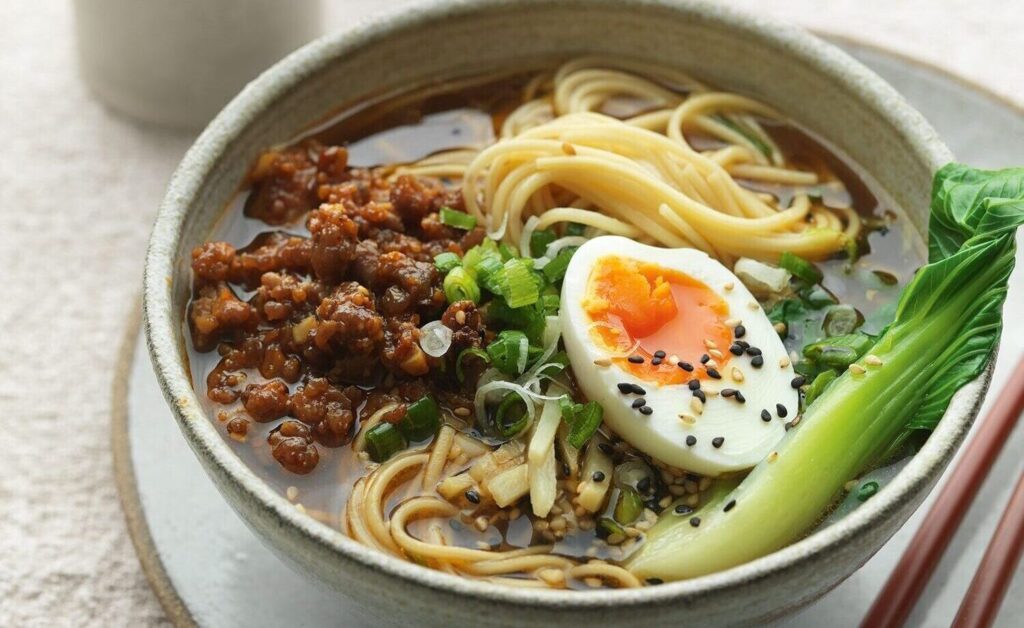
Toppings are an important part of any ramen recipe because they add variety in both flavor and texture. Soft boiled eggs are among the most popular toppings. Their creamy texture pairs naturally with rich broth and noodles.
Green onions add freshness and visual appeal. Because they are added near the end, they help maintain a crisp flavor. Mushrooms contribute earthy notes and work particularly well in broths containing miso or soy sauce.
Protein toppings such as chicken, pork, beef, seafood, or tofu help create a more filling meal. Different choices can dramatically change the overall character of the bowl. Seaweed is another traditional addition.
Its subtle flavor complements many ramen styles and contributes visual contrast. Bean sprouts and bamboo shoots provide texture that balances the softness of the noodles and broth. A successful ramen recipe uses toppings thoughtfully.
The goal is to improve the overall experience rather than simply add more ingredients. The best toppings contribute both flavor and texture while maintaining balance within the bowl.
Serving Ideas And Small Finishing Touches That Improve The Final Flavor
The final presentation can make a noticeable difference in a ramen recipe. Proper assembly helps preserve texture and improves the dining experience. Deep bowls are commonly used because they retain heat and provide enough room for broth, noodles, and toppings.
The noodles are typically placed in the bowl first, followed by the broth. Toppings are then arranged carefully across the surface. Small finishing touches can enhance flavor.
Sesame seeds, chili oil, sesame oil, and extra green onions are commonly used to add aroma and visual appeal. Serving ramen immediately is important. Waiting too long allows the noodles to absorb liquid and lose their ideal texture.
Presentation matters because ramen combines multiple textures and colors. A neatly arranged bowl highlights the effort that went into preparing each component. Many home cooks enjoy adjusting toppings and seasonings based on personal preferences.
This flexibility is one reason ramen remains so popular around the world. When balanced broth, properly cooked noodles, quality toppings, and careful presentation come together, a homemade ramen recipe can deliver a satisfying and flavorful meal that rivals many restaurant versions.
See you in the next post,
Anil UZUN