
Gluten free cookie recipes have become increasingly popular not only among people with gluten intolerance or celiac disease, but also among those who seek lighter, more digestible, and ingredient-conscious desserts.
Baking without gluten no longer means sacrificing flavor, texture, or satisfaction. With the right ingredients and techniques, gluten free cookies can be just as soft, crunchy, or rich as their traditional counterparts.
One of the greatest advantages of gluten free cookie recipes is flexibility. These recipes can easily be adapted to suit different dietary needs, including refined sugar free, dairy free, or plant-based lifestyles.
Home baking allows full control over ingredients, making it easier to avoid preservatives, artificial flavors, and excess sugar commonly found in packaged products.
This guide explores practical approaches to gluten free baking, from beginner-friendly methods to healthier ingredient choices and proven baking techniques that improve both taste and texture.
Gluten Free Cookie Recipes For Beginners
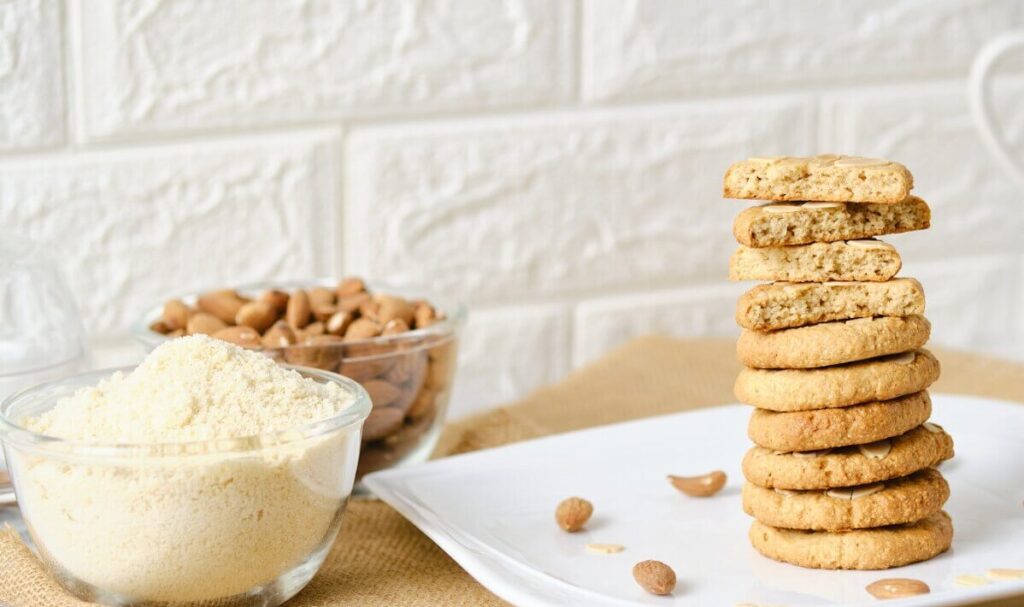
For those new to gluten free baking, starting with simple gluten free cookie recipes is the best way to build confidence. Beginner-friendly recipes usually rely on minimal ingredients, straightforward mixing methods, and forgiving baking times.
These recipes often focus on drop cookies or soft-baked styles that do not require precise shaping. Unlike traditional baking, gluten free dough behaves differently because it lacks gluten’s elastic structure.
As a result, beginners should expect softer doughs and slightly different textures before baking. This is completely normal and does not indicate a failed recipe. Many successful gluten free cookies actually rely on softer doughs that firm up as they cool.
Starting with small batches is another helpful approach. This allows beginners to observe how different flours, fats, and sweeteners behave in the oven. Over time, experimenting with gluten free cookie recipes becomes an enjoyable learning process rather than a challenge.
Choosing The Right Flour Alternatives For Baking
Flour selection is one of the most important elements in successful gluten free cookie recipes. Since no single gluten free flour mimics wheat flour perfectly, choosing the right alternative depends on the desired texture and flavor.
Almond flour is a popular option due to its natural fats and mild sweetness. It produces soft, moist cookies and works well in recipes that aim for richness. Rice flour, on the other hand, creates lighter textures and slightly crisp edges, making it suitable for classic cookie styles.
Oat flour adds structure and a subtle nutty flavor, especially when made from certified gluten free oats. Many bakers find success by combining multiple flours rather than relying on just one.
Blends help balance moisture, structure, and tenderness. Pre-mixed gluten free flour blends are also widely available and are designed specifically for baking consistency, making them ideal for those following gluten free cookie recipes for the first time.
Gluten Free Cookie Recipes With Natural Sweeteners
One of the strengths of modern gluten free cookie recipes is their adaptability to healthier sweetening options. Natural sweeteners not only reduce refined sugar intake but also contribute additional flavor and moisture.
Honey and maple syrup are commonly used in soft cookie recipes, adding depth and subtle caramel notes. Coconut sugar offers a lower-glycemic alternative with a flavor similar to brown sugar.
Date paste and mashed ripe bananas are excellent choices for naturally sweetened cookies, especially when combined with nut-based flours. When using liquid sweeteners, adjusting dry ingredients is essential to maintain proper dough consistency.
Natural sweeteners also tend to brown faster, so monitoring baking time closely helps prevent overbaking. With the right balance, gluten free cookie recipes made with natural sweeteners can be both indulgent and nourishing.
Baking Tips To Improve Texture And Flavor

Texture is often the main concern when preparing gluten free cookie recipes, but a few simple techniques can significantly improve results.
Resting the dough before baking allows flours to hydrate fully, leading to better structure and less grittiness. Temperature control also plays a crucial role. Slightly lower baking temperatures with longer bake times often produce more even textures.
Removing cookies from the oven while they still appear soft ensures they remain tender after cooling. Flavor development can be enhanced by incorporating spices, citrus zest, vanilla extract, or cocoa powder.
Toasting nuts or seeds before adding them to the dough intensifies flavor and adds pleasant crunch. These small adjustments elevate gluten free cookie recipes from basic to bakery-quality.
Gluten Free Cookie Recipes For Healthy Snacking
Beyond desserts, gluten free cookie recipes are excellent options for balanced snacking. When prepared with whole-food ingredients, these cookies provide sustained energy without excessive sugar spikes.
Incorporating ingredients such as oats, seeds, nut butters, and dried fruits increases fiber and protein content. These cookies pair well with tea or coffee and are ideal for mid-day snacks, travel, or lunchboxes.
Portion control is also easier with homemade recipes, as ingredients are measured intentionally. For those following fitness-focused or mindful eating routines, gluten free cookies can be adapted to support nutritional goals without feeling restrictive.
With thoughtful ingredient choices, gluten free cookie recipes become a practical part of a healthy lifestyle rather than an occasional treat.
See you in the next post,
Anil UZUN