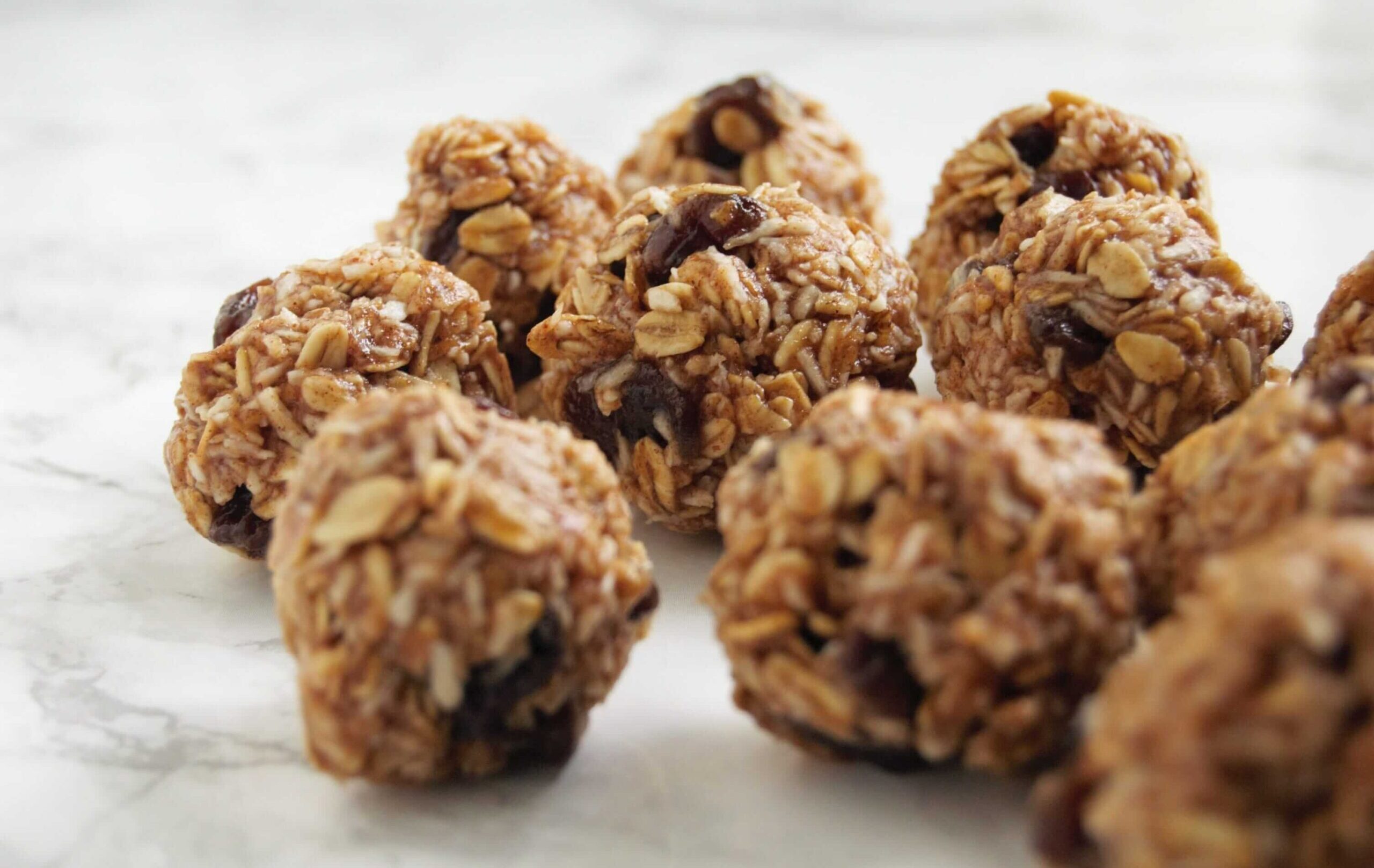
Oat energy balls are one of the most practical answers to the modern need for healthy, quick, and homemade snacks.
Whether you are trying to avoid processed foods, reduce added sugar, or simply want something filling between meals, these small bites offer a balanced combination of fiber, healthy fats, and natural sweetness.
Made primarily with oats and simple pantry staples, they are easy to prepare without baking and fit effortlessly into busy lifestyles. From office snacks to school lunchboxes and pre workout fuel, oat energy balls provide steady energy while keeping ingredients clean and customizable.
Their flexibility is what makes them so popular: you can adjust flavors, textures, and nutrition goals without complicating the recipe, making them suitable for adults, athletes, and children alike.
Pantry Basics For Oat Energy Balls: Oats, Nut Butters, Seeds, And Natural Sweeteners
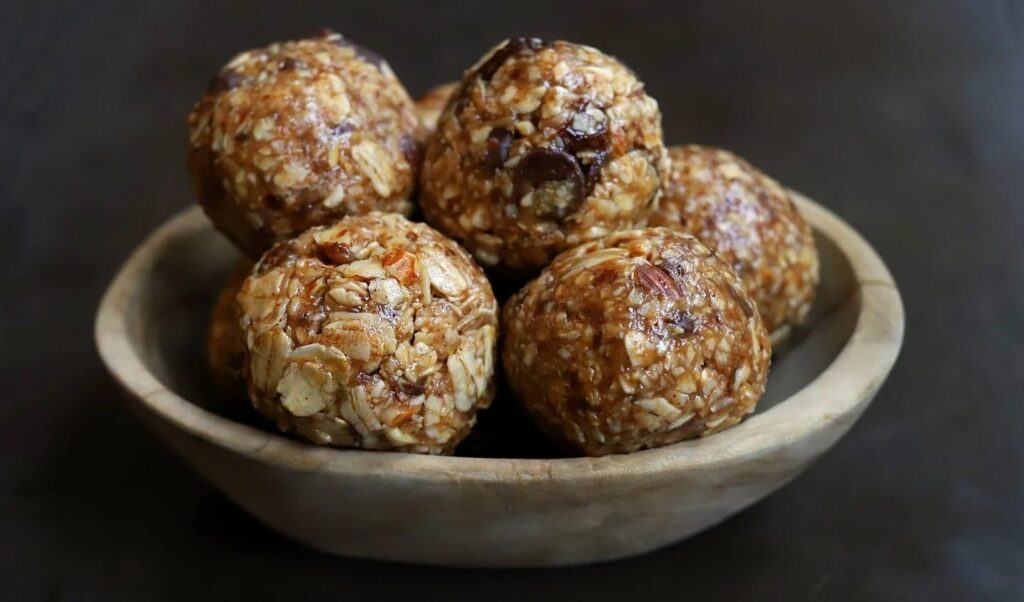
The foundation of successful oat energy balls lies in choosing the right core ingredients. Oats are the backbone of the recipe, and rolled oats are usually the best option. They offer a chewy texture and enough structure to hold the mixture together without becoming too dense.
Quick oats can also work, but they produce a softer, more compact result. Steel cut oats are generally not recommended unless lightly processed, as they remain too hard for no bake recipes.
Nut butters act as both a binder and a major flavor component. Peanut butter, almond butter, and cashew butter are the most common choices. Each brings a different taste and fat profile, so selecting one depends on personal preference and dietary needs.
Natural nut butters without added sugar or hydrogenated oils provide better nutritional value and a cleaner flavor. For nut free households, sunflower seed butter or tahini can be used as effective alternatives. Seeds play a supporting but important role.
Chia seeds, flaxseeds, pumpkin seeds, and sesame seeds add texture, minerals, and healthy fats. They also help improve satiety, making oat energy balls more filling. Ground seeds blend more smoothly, while whole seeds add crunch.
Natural sweeteners tie everything together. Honey, maple syrup, and date paste are commonly used, each offering a slightly different sweetness level and moisture content. Dates are particularly popular because they add fiber and natural caramel notes.
The key is balance: too much sweetener makes the mixture sticky, while too little can cause crumbling. Understanding these pantry basics allows you to build consistent, well balanced oat energy balls every time.
Oat Energy Balls Recipe Method: Getting The Right Texture And Rolling Tips
The method behind oat energy balls is simple, but small details make a big difference in texture and consistency. The process usually begins by combining dry ingredients such as oats, seeds, and any powdered flavorings in a mixing bowl.
This step ensures even distribution before adding wet components. Mixing dry ingredients first prevents clumps and uneven sweetness later. Next, nut butter and sweetener are added gradually. Stirring slowly helps control moisture levels and prevents over mixing.
The ideal texture should be slightly sticky but firm enough to hold its shape when pressed. If the mixture feels dry or crumbly, a small amount of nut butter or liquid sweetener can be added. If it feels too wet, extra oats or ground seeds help absorb excess moisture.
Resting the mixture for a short period is often overlooked but highly effective. Letting it sit for ten to fifteen minutes allows the oats to absorb moisture, improving structure and making rolling easier. This resting step reduces stickiness and results in smoother energy balls.
When shaping, lightly damp or oiled hands prevent sticking. Rolling portions evenly ensures consistent size, which is especially useful for portion control and storage. Using a small scoop can help maintain uniformity.
Once rolled, oat energy balls can be chilled to firm up further. Mastering this method guarantees energy balls that hold together well, look neat, and feel satisfying to eat.
Flavor Variations That Always Work: Cocoa, Coconut, Nuts, And Dried Fruit Combos
One of the biggest advantages of oat energy balls is how easily flavors can be customized. Cocoa powder is a popular addition, creating a chocolate like profile without the need for refined chocolate.
Unsweetened cocoa adds richness and pairs well with peanut butter, almond butter, and dates. For a more dessert inspired option, a small amount of dark chocolate chips can be mixed in after chilling the base.
Coconut brings both texture and aroma. Shredded coconut works best, adding chewiness and a mild sweetness. Coconut pairs naturally with almond butter, vanilla, and dried fruits such as pineapple or mango.
Toasting the coconut lightly before mixing can enhance flavor without adding complexity. Nuts add crunch and depth. Chopped almonds, walnuts, hazelnuts, or pistachios introduce contrast and extra protein.
Finely chopped nuts integrate more smoothly, while larger pieces provide a rustic texture. Combining nuts with seeds creates a layered bite that feels more substantial. Dried fruits offer natural sweetness and color.
Raisins, cranberries, apricots, and figs are common choices. Dates often serve as both sweetener and texture enhancer. The key is chopping dried fruit finely to ensure even distribution.
With thoughtful combinations, oat energy balls can be rotated weekly without becoming repetitive, keeping healthy snacking interesting and enjoyable.
Portion And Timing Ideas: Pre Workout Snacks, Post Workout Bites, And Kids Lunchboxes
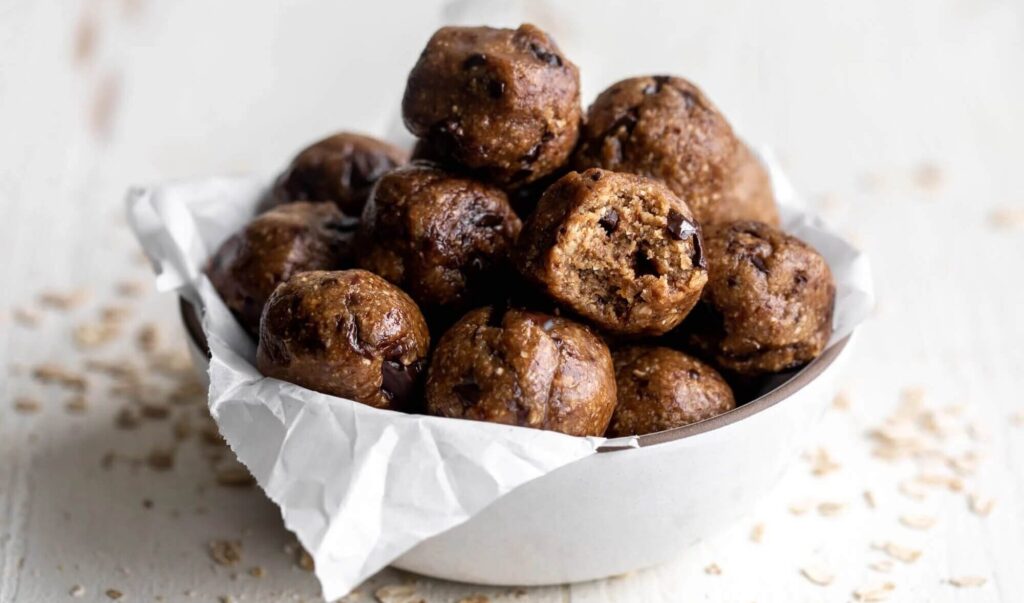
Portion size plays a critical role in how oat energy balls fit into daily routines. For pre workout snacks, smaller portions are ideal. A single energy ball consumed thirty to sixty minutes before exercise provides carbohydrates for quick energy without feeling heavy.
Including ingredients like honey or dates helps deliver fast digesting fuel. Post workout energy balls can be slightly larger and richer in protein and fats. Adding extra nut butter, seeds, or protein powder supports muscle recovery and satiety.
Consuming them shortly after training helps replenish energy stores and reduce cravings later in the day. For children, oat energy balls offer a practical lunchbox solution. Smaller sizes with mild flavors work best.
Reducing strong ingredients like cocoa or seeds can make them more appealing to younger tastes. Using fun shapes or colorful dried fruits also increases acceptance. For general snacking, portioning energy balls in advance helps maintain balance.
Storing them in small containers or bags makes them easy to grab on busy days. Adjusting size and ingredients based on timing ensures oat energy balls support energy needs rather than replace full meals.
Oat Energy Balls Storage: Fridge, Freezer, And How Long They Stay Fresh
Proper storage extends the freshness and safety of oat energy balls. In the refrigerator, they typically stay fresh for up to one week when stored in an airtight container.
Chilling helps maintain structure and prevents natural oils from separating. For daily use, refrigeration is usually sufficient. Freezing is ideal for batch preparation. Oat energy balls freeze well and can last up to three months without significant loss of texture or flavor.
Freezing them on a tray before transferring to a container prevents sticking. They can be thawed in the fridge overnight or at room temperature for short periods.
Room temperature storage is less recommended unless ingredients are fully shelf stable and consumed within one to two days. Warm environments can soften nut butters and shorten shelf life. Labeling containers with preparation dates helps track freshness and reduce waste.
By understanding storage methods, oat energy balls become a reliable snack that fits meal prep routines and long term planning, ensuring healthy options are always within reach.
See you in the next post,
Anil UZUN