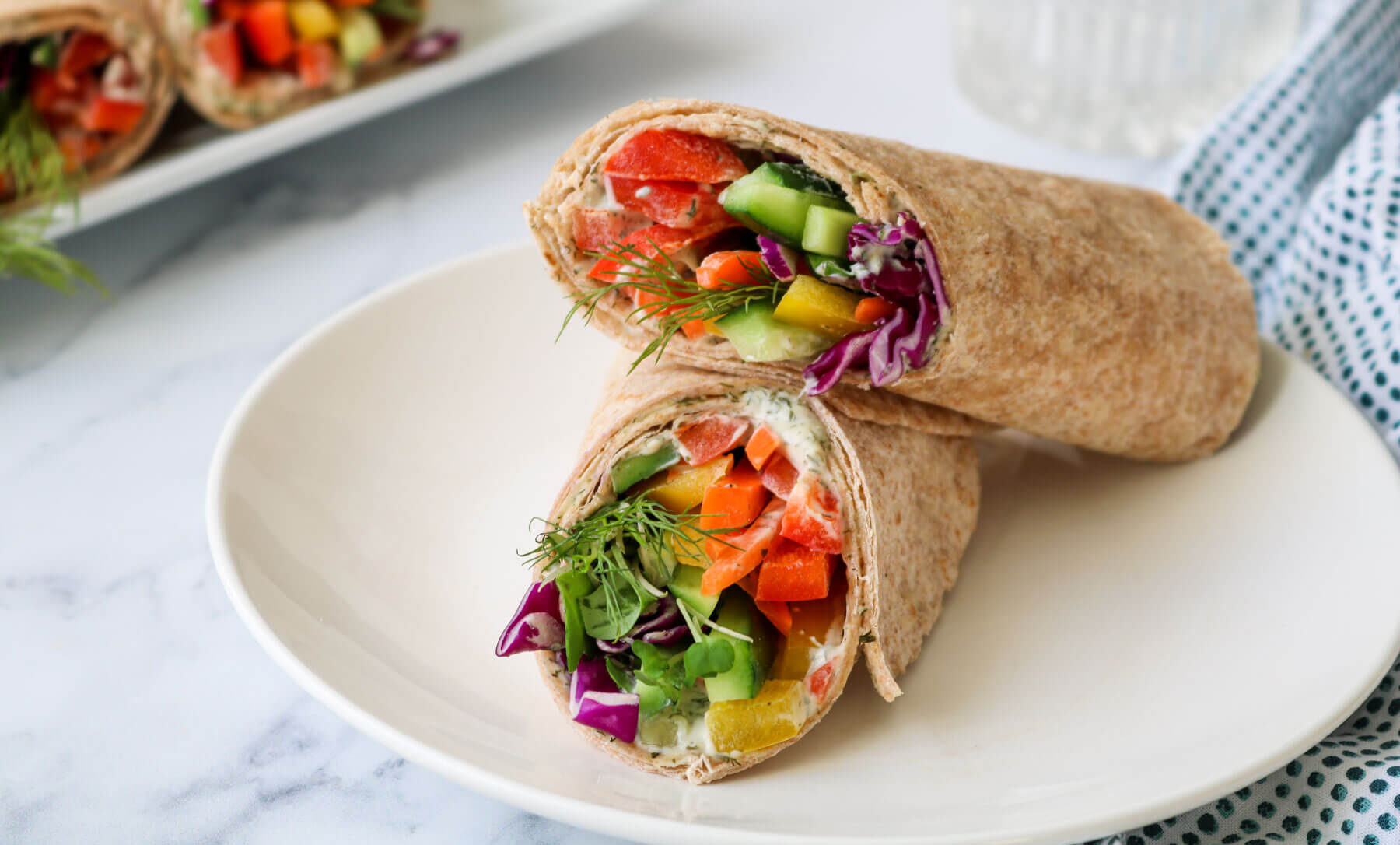
A well-balanced vegetable wrap recipe is one of the easiest ways to create a healthy and satisfying meal without spending too much time in the kitchen.
This type of recipe combines fresh ingredients, simple cooking techniques, and flexible options that allow you to customize it based on your preferences. Whether you are preparing lunch, dinner, or a quick snack, this wrap offers both convenience and nutrition.
The strength of a vegetable wrap recipe lies in its versatility. You can use seasonal vegetables, adjust sauces, or even switch tortilla types depending on your taste. Grilled vegetables add a rich, smoky flavor that elevates the dish and makes it more satisfying.
When paired with the right sauce and wrapped properly, the result is a meal that is easy to carry and enjoyable to eat. In addition, this recipe supports a balanced diet. Vegetables provide fiber and essential nutrients, while wraps can be made healthier with whole grain options.
A good vegetable wrap recipe is not only about taste but also about how well it fits into a practical and nutritious lifestyle. By focusing on preparation and balance, you can create a wrap that feels both light and filling at the same time.
Vegetable Wrap Recipe Sauces: Yogurt, Tahini, And Spicy Tangy Options
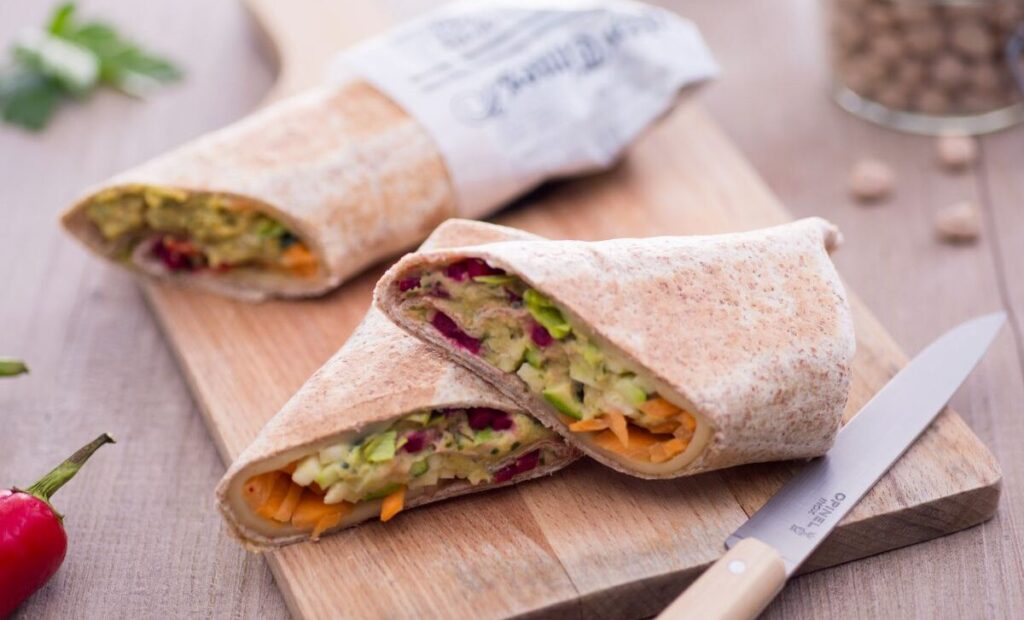
Sauces are essential for bringing all the elements of a vegetable wrap recipe together. They add moisture, enhance flavor, and create a more enjoyable eating experience. Choosing the right sauce depends on your preferred taste profile.
Yogurt-based sauces are light and refreshing. A mix of yogurt, lemon juice, and garlic creates a smooth and slightly tangy flavor that pairs well with grilled vegetables. This option is ideal if you want a balanced and mild taste.
Tahini sauce offers a richer alternative. Its nutty flavor complements vegetables like eggplant and peppers, creating a more filling wrap. Mixing tahini with lemon juice and water helps achieve the right consistency.
For a stronger flavor, spicy and tangy sauces can be used. These sauces add contrast and make the wrap more dynamic. However, moderation is important. Too much sauce can make the wrap messy and difficult to handle.
A good vegetable wrap recipe uses sauce as a supporting element rather than the main focus. The goal is to enhance the vegetables without overpowering their natural taste.
Choosing The Best Vegetables For Grilling: Flavor, Texture, And Prep Tips
Selecting the right vegetables is the first step in building a successful vegetable wrap recipe. Vegetables that hold their shape and develop flavor under heat are ideal for grilling.
Zucchini, bell peppers, eggplant, and mushrooms are among the most popular choices because they cook evenly and provide a good balance of texture. Zucchini cooks quickly and offers a soft but structured bite, while bell peppers bring sweetness and color.
Eggplant becomes creamy when grilled properly, adding depth to the wrap. Mushrooms contribute a savory taste that enhances the overall flavor profile. Preparation is equally important. Cutting vegetables into even pieces ensures consistent cooking.
Slightly thicker slices prevent them from becoming too soft or losing their shape on the grill. Before grilling, a light coating of olive oil and simple seasoning helps enhance natural flavors without overpowering them.
Marinating is optional but recommended. A short marinade with olive oil, garlic, and herbs can add an extra layer of taste. A well-prepared base ensures that your vegetable wrap recipe starts with strong flavors that carry through the entire dish.
Grilling Techniques: How To Get Char Without Burning And Keep Veggies Juicy
Grilling is the step that gives a vegetable wrap recipe its signature flavor. The goal is to achieve a light char while keeping the vegetables tender. This requires proper heat control and timing. A preheated grill is essential.
Medium-high heat allows vegetables to cook quickly and develop a slightly smoky flavor. If the heat is too low, vegetables may become soft without gaining any char. Spacing is also important. Placing vegetables too close together can cause them to steam instead of grill.
Turning them occasionally ensures even cooking and prevents burning. Each vegetable cooks at a different rate. Softer vegetables like zucchini require less time, while eggplant may need a bit longer. Monitoring them closely helps maintain the right texture.
Using a small amount of oil prevents sticking and improves flavor. Too much oil, however, can lead to uneven cooking. A balanced approach ensures that your vegetable wrap recipe delivers both taste and texture.
Vegetable Wrap Recipe Assembly: Tortilla Choices, Warming, And Rolling Without Tearing
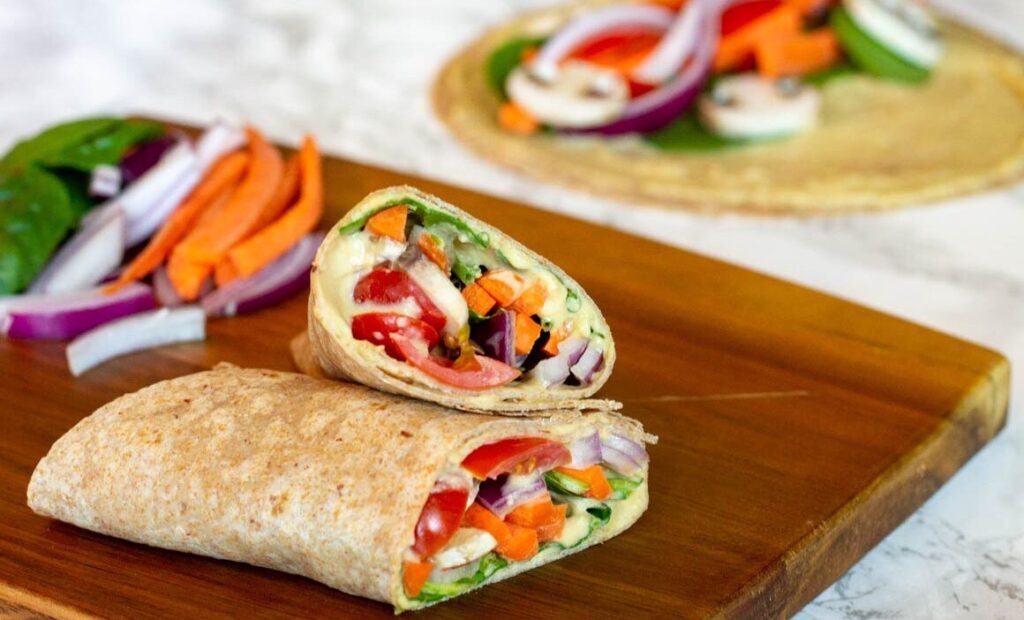
The assembly process plays a key role in the success of a vegetable wrap recipe. Choosing the right tortilla is important because it affects both taste and structure.
Soft tortillas are easier to roll and less likely to break. Whole wheat tortillas provide a healthier option, while regular tortillas offer a softer texture. The choice depends on your preference and dietary needs.
Warming the tortilla before use makes it more flexible. This step helps prevent tearing and makes the wrapping process smoother. A quick heat in a pan or microwave is usually enough. When adding ingredients, avoid overfilling.
Keeping the filling balanced ensures that the wrap stays intact. Placing ingredients in the center makes rolling easier and more effective. Rolling technique is simple but important.
Folding the bottom first, then the sides, and rolling tightly helps secure the wrap. A properly assembled vegetable wrap recipe not only looks better but also improves the overall eating experience.
Vegetable Wrap Recipe Serving And Storage: Sides, Meal Prep, And Keeping It Fresh
Serving your vegetable wrap recipe properly can enhance both presentation and taste. Cutting the wrap diagonally makes it easier to eat and gives it a more appealing look.
Pairing it with light sides such as salads or dips can turn it into a complete meal. For meal preparation, wraps can be made ahead of time. Wrapping them in paper or foil helps maintain freshness and structure. Keeping sauces separate until serving can prevent sogginess.
Refrigeration works well for short-term storage, but wraps are best enjoyed fresh. If needed, reheating them lightly can restore some of their texture. Overheating should be avoided as it may dry out the tortilla.
A well-planned vegetable wrap recipe remains practical even after preparation. With the right serving and storage methods, you can enjoy a fresh and flavorful wrap at any time.
See you in the next post,
Anil UZUN