
A good homemade burger starts with a simple but balanced cheeseburger recipe. The patty should be juicy, the cheese should melt smoothly, the bun should stay soft, and the toppings should support the flavor without making the burger too heavy.
Small details such as meat fat level, seasoning, pan heat, sauce texture, and bun choice can make a big difference. Making cheeseburgers at home gives you full control over taste.
You can choose a stronger cheese, a softer bun, a sharper sauce, or fresher toppings depending on your preference. The goal is not to make the recipe complicated. A good burger is usually built with simple ingredients used correctly.
This guide explains how to choose ingredients, shape and season the patty, balance toppings, cook the burger properly, and serve it with practical homemade presentation tips.
Cheeseburger Recipe Ingredients For Juicy Patties Cheese And Buns
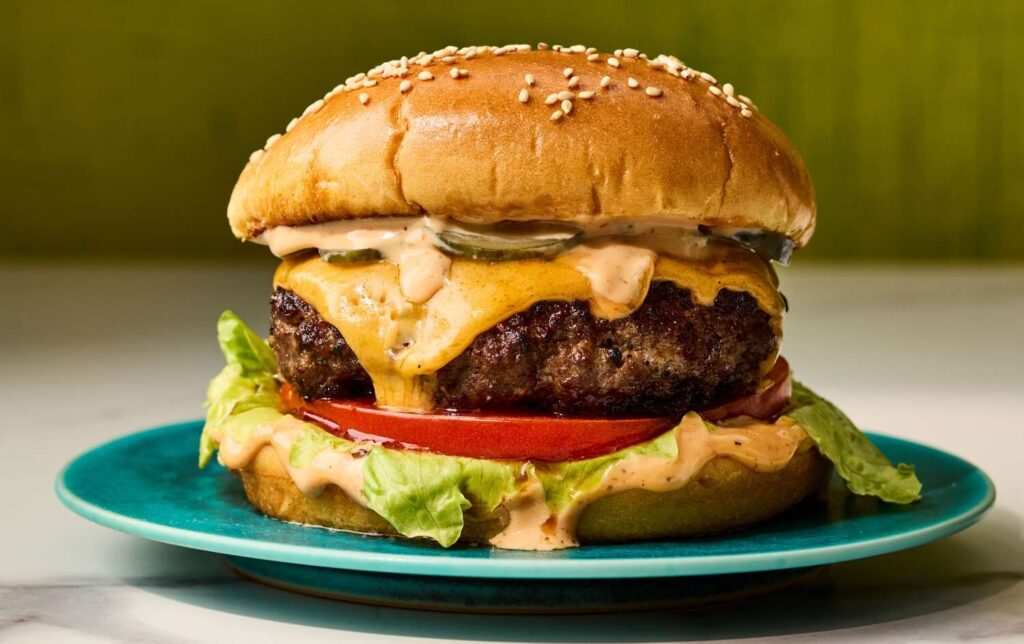
The base of a strong cheeseburger recipe is the combination of beef, cheese, and bun. These three ingredients create the main flavor, texture, and structure of the burger. For a juicy patty, the beef should not be too lean.
Medium fat ground beef usually works better because it keeps the patty moist during cooking. Very lean meat can become dry and firm, especially in a hot pan. The meat should be handled gently. Overmixing or pressing the beef too much can make the patty dense.
A burger patty should stay tender and loose enough to remain juicy after cooking. Cheese is also important. Cheddar is a classic choice because it melts well and gives a rich flavor. American style burger cheese, gouda, Monterey Jack, or mild mozzarella can also be used.
The bun should be soft but strong enough to hold the patty, sauce, and toppings. Brioche, sesame, or potato buns are good options. Toasting the inside of the bun helps prevent sogginess and adds better texture.
When the meat, cheese, and bun are chosen carefully, the whole cheeseburger recipe becomes easier to prepare and more satisfying to eat.
Cheeseburger Recipe Tips For Seasoning Shaping And Cooking The Patty
A classic burger patty does not need too many ingredients. When preparing a cheeseburger recipe, the goal is to highlight the beef flavor rather than hide it. Salt and black pepper are usually enough for a basic burger.
Garlic powder, onion powder, smoked paprika, or a little chili powder can be added for extra flavor, but the seasoning should stay balanced. The patties should be shaped gently. Divide the meat into equal portions and form each one into a round patty without pressing too hard.
The patty should be slightly wider than the bun because it will shrink during cooking. A small indentation in the center can help the patty stay flat. This prevents it from puffing up too much in the pan.
Many people add egg, breadcrumbs, or chopped onion to burger patties. These ingredients can work for meatballs, but they are not necessary for a classic cheeseburger. A simpler patty usually gives a better burger texture.
Seasoning the outside of the patty just before cooking helps create a flavorful crust. With gentle shaping and simple seasoning, this cheeseburger recipe keeps the patty juicy and full of flavor.
How To Balance Sauce Pickles Onion Lettuce And Melted Cheese
Toppings should make the burger more balanced, not overcrowded. Sauce, pickles, onion, lettuce, and melted cheese all have a role in creating a better bite.
A simple burger sauce can be made with mayonnaise, ketchup, mustard, finely chopped pickles, a little pickle juice, and garlic powder. The sauce should be creamy and spreadable. If it is too watery, it can make the bun soft too quickly.
Pickles add acidity and crunch. This helps balance the richness of the beef and cheese. Thin pickle slices usually work better than thick pieces because they spread the flavor more evenly. Onion can be used raw, grilled, or caramelized.
Raw onion gives sharpness, red onion adds mild sweetness, and caramelized onion creates a deeper flavor. Lettuce adds freshness and texture. It should be crisp and dry before being added to the burger. Wet lettuce can make the bun soggy.
Cheese should be added while the patty is hot. This allows it to melt smoothly and cover the meat. A balanced topping structure makes the cheeseburger recipe taste richer, fresher, and more organized without becoming too heavy.
Cheeseburger Recipe Cooking Methods For A Juicy Center And Golden Crust
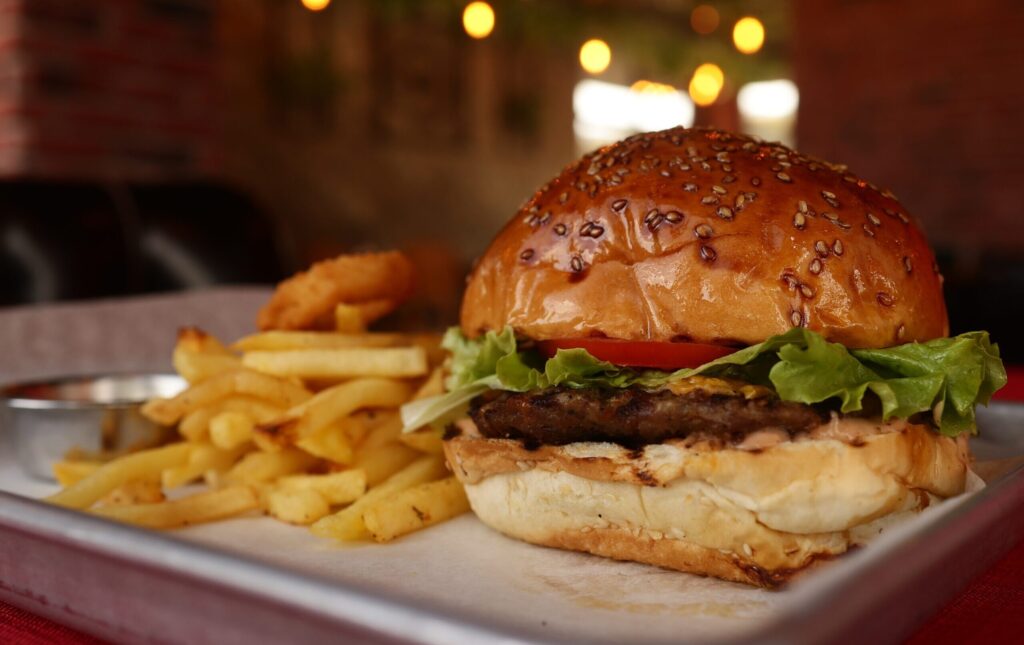
Cooking technique is one of the most important parts of a successful cheeseburger recipe. The aim is to create a golden crust on the outside while keeping the center juicy. A cast iron pan, heavy pan, or flat griddle works well because it holds heat evenly.
The pan should be hot before the patties are added. If the pan is not hot enough, the meat may release too much moisture and fail to brown properly. After placing the patty in the pan, avoid moving it too much. Let one side sear before flipping.
This helps create color, crust, and stronger flavor. Pressing the patty with a spatula is usually not recommended unless making a smash burger. Pressing releases the juices and can make the burger dry.
Cheese should be added near the end of cooking. Covering the pan briefly with a lid can help the cheese melt faster through steam. The buns can be toasted in the same pan or in a separate pan.
A lightly toasted bun holds sauce better and adds a pleasant texture. With the right heat and careful handling, this cheeseburger recipe gives a juicy patty, melted cheese, and a better homemade burger experience.
Serving Sides Storage And Homemade Burger Presentation Tips
A cheeseburger tastes best when served fresh, while the patty is still hot and the cheese is melted. The ingredients should be ready before cooking so the burger can be assembled quickly. Start with the bottom bun and add a thin layer of sauce.
Then place lettuce, the hot patty with melted cheese, pickles, onion, and a little more sauce if desired. Finish with the top bun and serve immediately. Classic side dishes include fries, oven baked potatoes, onion rings, coleslaw, or a simple green salad.
For an easy homemade option, seasoned potato wedges are practical and filling. Sauces can be served in small bowls. Ketchup, mustard, spicy mayonnaise, garlic sauce, or homemade burger sauce can make the meal feel more complete.
For guests, patties can be shaped in advance, toppings can be sliced, and sauce can be prepared earlier. This makes the cooking and serving process much easier. Cooked patties can be stored in the refrigerator, but fully assembled burgers are best eaten fresh.
If there are leftovers, keep the buns, sauce, vegetables, and patties separate. A practical cheeseburger recipe should be easy to repeat. With juicy beef, melted cheese, toasted buns, fresh toppings, and balanced sauce, homemade cheeseburgers can become a simple and delicious meal.
See you in the next post,
Anil UZUN