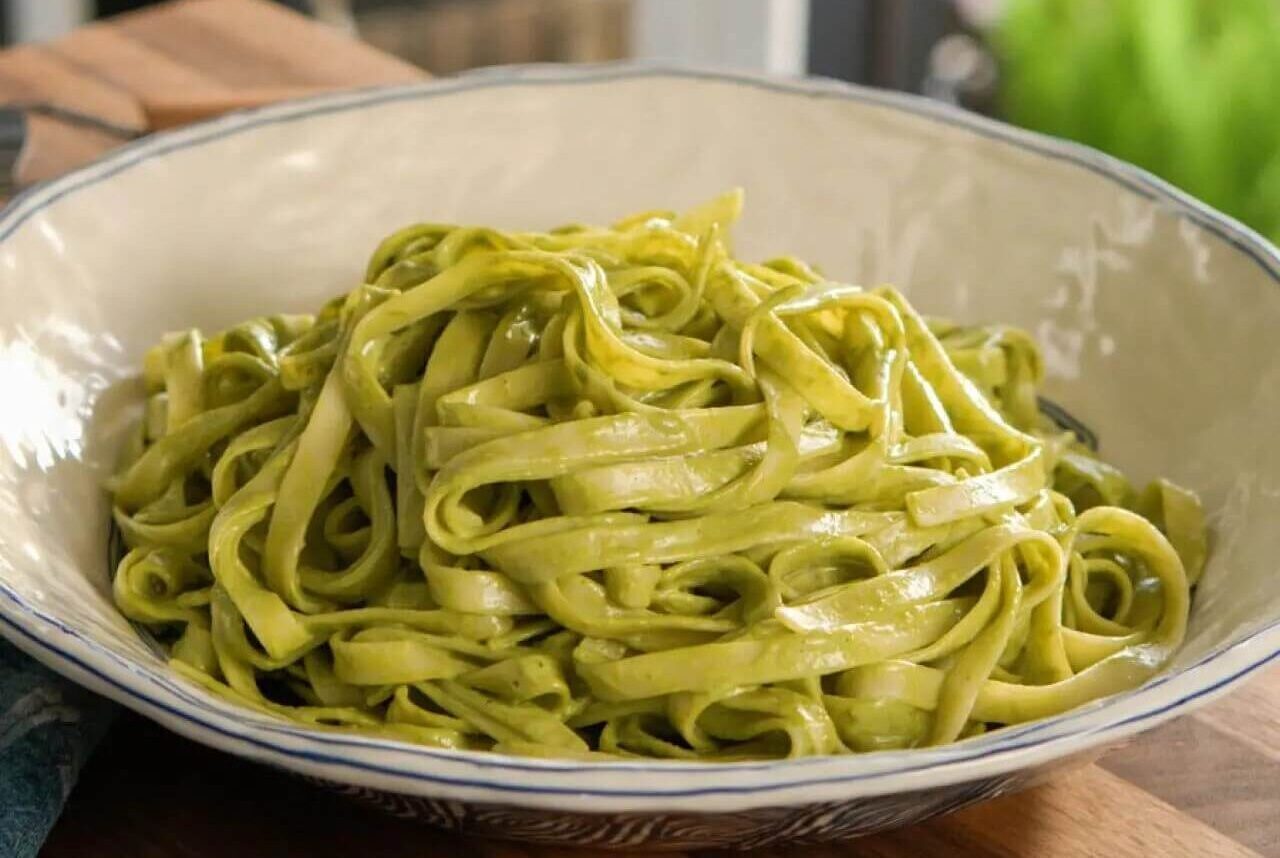
Few dishes embody simplicity and flavor as perfectly as a pesto pasta recipe. This Italian classic brings together the aromatic freshness of basil, the richness of olive oil, and the nutty taste of parmesan and pine nuts. It’s a dish that proves great flavor doesn’t require complexity.
With just a few fresh ingredients and simple steps, you can prepare a restaurant-quality pasta dish right at home. A well-made pesto pasta recipe balances texture, color, and aroma beautifully.
The smooth, green sauce coats each strand of pasta, creating a burst of flavor in every bite. Whether you’re making it for a quick lunch or a cozy dinner, pesto pasta is versatile, easy to prepare, and endlessly adaptable.
This guide will walk you through the ingredients, cooking process, and techniques to help you master the art of making pesto pasta at home.
Pesto Pasta Recipe Ingredients And Preparation Steps

A perfect pesto pasta recipe starts with fresh, high-quality ingredients. The essentials for a traditional basil pesto include two cups of fresh basil leaves, two cloves of garlic, one-third cup of pine nuts, half a cup of extra virgin olive oil, and one-third cup of grated parmesan cheese.
A pinch of salt and a touch of lemon juice can also be added to balance the flavors. To make the sauce, combine the basil, garlic, and pine nuts in a food processor. Pulse a few times, then slowly drizzle in the olive oil while blending until you reach a creamy, smooth consistency.
Finally, stir in the grated parmesan cheese. Avoid over-blending to keep the pesto vibrant green and flavorful. For the pasta, choose varieties like spaghetti, fusilli, or penne, which allow the sauce to cling to their surface.
Cook the pasta in salted water until al dente firm to the bite but not undercooked. Save a small cup of the pasta water before draining; it’s useful for adjusting the sauce consistency later. With these steps, your pesto pasta recipe will have both freshness and balance.
Tips For Cooking Pasta To The Perfect Texture
Cooking pasta properly is essential to any pesto pasta recipe. The key to achieving the ideal texture lies in mastering timing and water ratio. Always use a large pot with plenty of water about one liter for every 100 grams of pasta and salt it generously.
The salt enhances the pasta’s natural flavor, ensuring the dish tastes seasoned from the inside out. Avoid adding oil to the boiling water, as it can prevent the sauce from adhering to the pasta later. Stir occasionally during cooking to prevent the pasta from sticking together.
For a perfect “al dente” texture, follow the cooking time on the package but test a piece a minute early; it should be tender with a slight firmness in the center. Once cooked, do not rinse the pasta. The thin layer of starch on the surface helps the sauce stick more effectively.
When mixing the pasta with pesto, use a small amount of the reserved cooking water to loosen the sauce and help it coat the pasta evenly. Paying attention to these small yet crucial details will elevate your pesto pasta recipe from ordinary to outstanding.
Pesto Pasta Recipe: How To Achieve The Ideal Sauce Consistency
The soul of a good pesto pasta recipe lies in the sauce. Achieving the right balance between texture and flavor ensures that each bite feels creamy but not oily, smooth yet full of character.
Start by adding olive oil gradually during blending too much at once can make the sauce greasy, while too little may leave it thick and clumpy. The best pesto has a velvety texture that lightly coats the pasta without overwhelming it.
If your sauce feels too dense, stir in a few tablespoons of warm pasta water. The starch in the water will help emulsify the mixture, creating a silky finish. On the other hand, if the sauce is too thin, adding extra parmesan or a few more pine nuts will thicken it naturally.
When combining the sauce with hot pasta, it’s important to remove the pot from the heat first. This prevents the basil from losing its bright green color and keeps the cheese from melting unevenly.
With this approach, your pesto pasta recipe will have a perfectly balanced sauce rich, aromatic, and visually stunning.
Serving Suggestions And Italian-Inspired Presentation Ideas
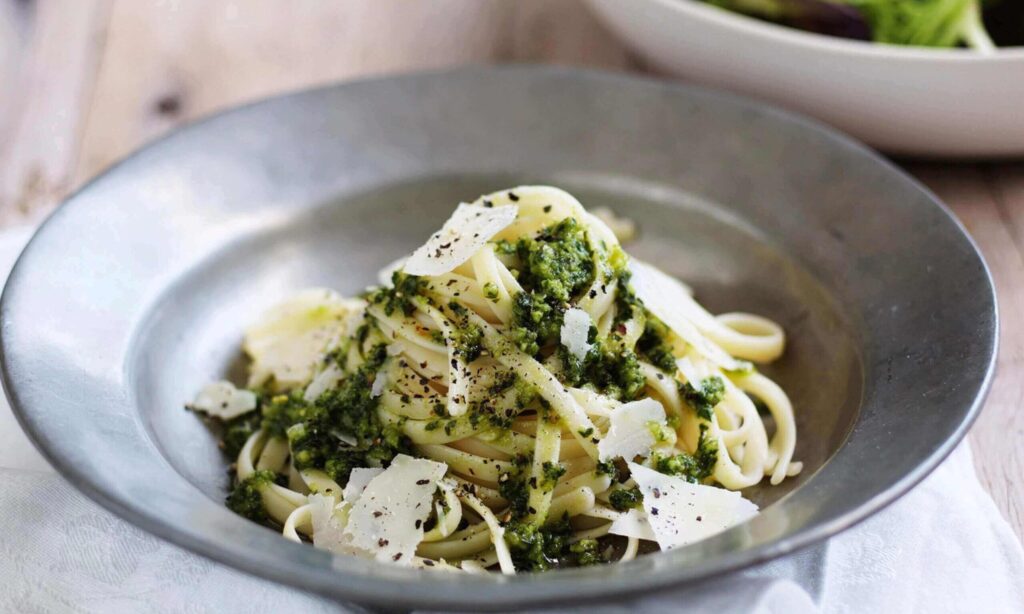
Presentation plays a major role in transforming your pesto pasta recipe into an Italian dining experience. Start by serving the pasta in a deep bowl or wide plate to highlight the vibrant green color of the sauce.
Garnish with freshly grated parmesan, a few whole basil leaves, and a drizzle of olive oil for a restaurant-worthy finish. For an authentic touch, pair your pesto pasta with roasted cherry tomatoes or grilled vegetables.
These add sweetness and color contrast to the dish. A side of garlic bread or a simple arugula salad complements the rich flavors beautifully. If you’re hosting guests, serve the pasta family-style in a large dish, allowing everyone to help themselves.
Adding a glass of white wine, such as Sauvignon Blanc or Pinot Grigio, completes the Italian-inspired experience. With thoughtful presentation, even a simple pesto pasta recipe can look and taste extraordinary.
Pesto Pasta Recipe Variations To Try At Home
One of the best things about a pesto pasta recipe is its versatility. The traditional basil-based version is timeless, but there are countless ways to reinvent it using different herbs, nuts, and cheeses.
For instance, you can make spinach or arugula pesto for a slightly peppery twist, or use sun-dried tomatoes to create a red pesto known as “pesto rosso.” If you prefer a creamy texture, blend in a spoonful of ricotta or avocado.
For a nutty flavor, replace pine nuts with walnuts, almonds, or cashews. Each variation brings a unique depth that transforms the dish into something new while preserving its Italian essence.
Vegan versions can easily be made by substituting parmesan with nutritional yeast or vegan cheese alternatives. You can also use gluten-free pasta to make the dish accessible to everyone.
Experimenting with these creative adaptations keeps your pesto pasta recipe exciting and fresh proof that a simple idea can inspire endless culinary possibilities.
See you in the next post,
Anil UZUN