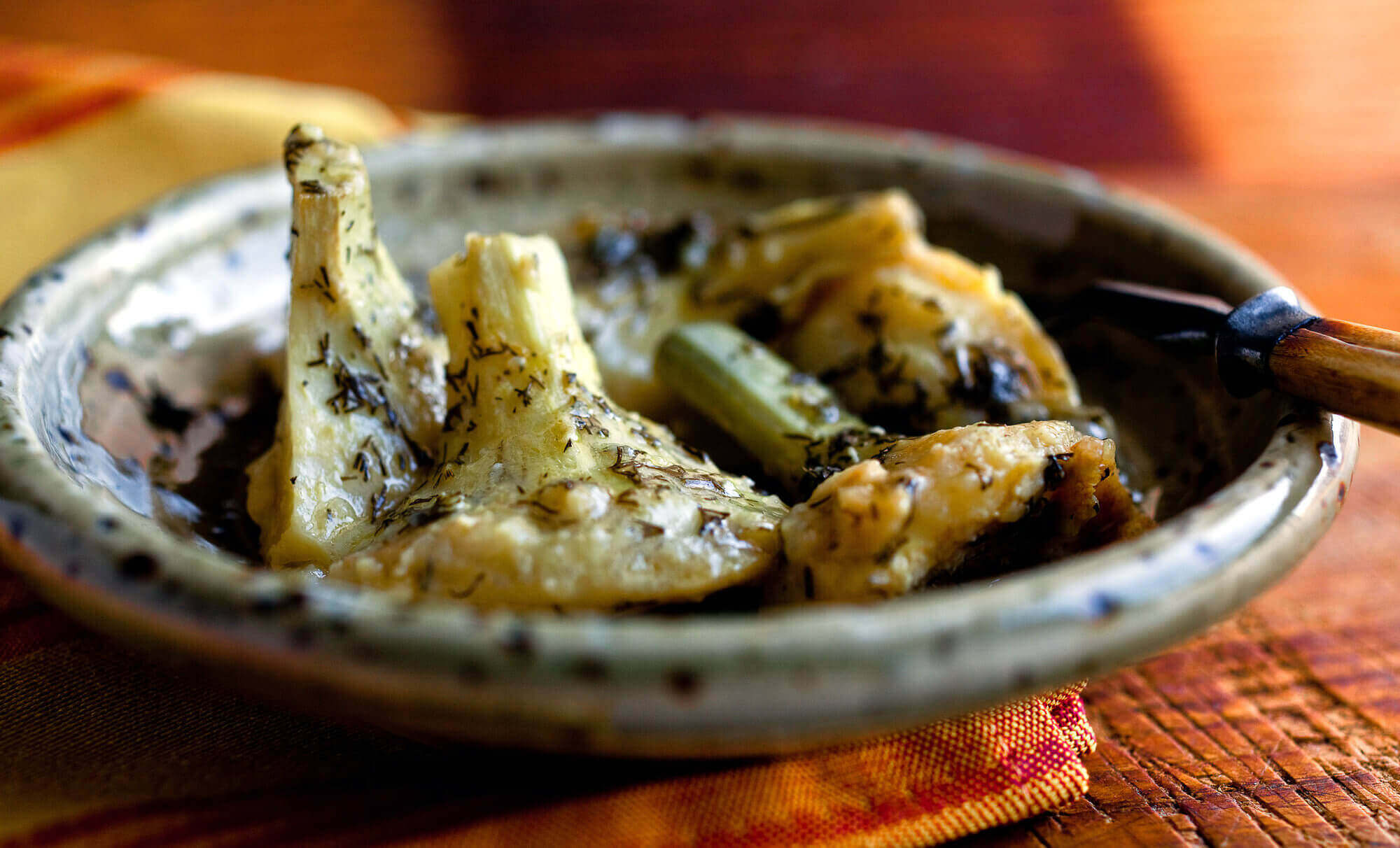
When looking for a meal that is both nutritious and satisfying, nothing beats a simple yet flavorful artichoke recipe. Artichokes are one of the most versatile vegetables in Mediterranean cuisine, known not only for their unique taste but also for their many health benefits.
By preparing them with olive oil, lemon, and fresh vegetables, you can create a light dish that is perfect for both everyday meals and special gatherings.
The beauty of an artichoke recipe lies in its balance. It is light enough to be enjoyed as a starter but hearty enough to serve as a main dish when paired with salads, grains, or proteins.
Artichokes naturally pair well with fresh herbs and citrus, making them an ideal option for those who want to eat healthily without sacrificing flavor. This dish also reflects the Mediterranean lifestyle, which emphasizes fresh ingredients, simple cooking methods, and nutrient-rich meals.
An easy artichoke recipe allows you to bring this tradition to your own kitchen, creating a meal that is as beautiful on the plate as it is beneficial for your health.
Whether you are preparing it for family dinners or as part of a festive menu, this light and refreshing dish is guaranteed to impress.
With the right preparation techniques and a touch of creativity, an artichoke recipe becomes more than just a meal it becomes a symbol of healthy and mindful eating.
Artichoke Recipe: Key Ingredients And Preparation Steps
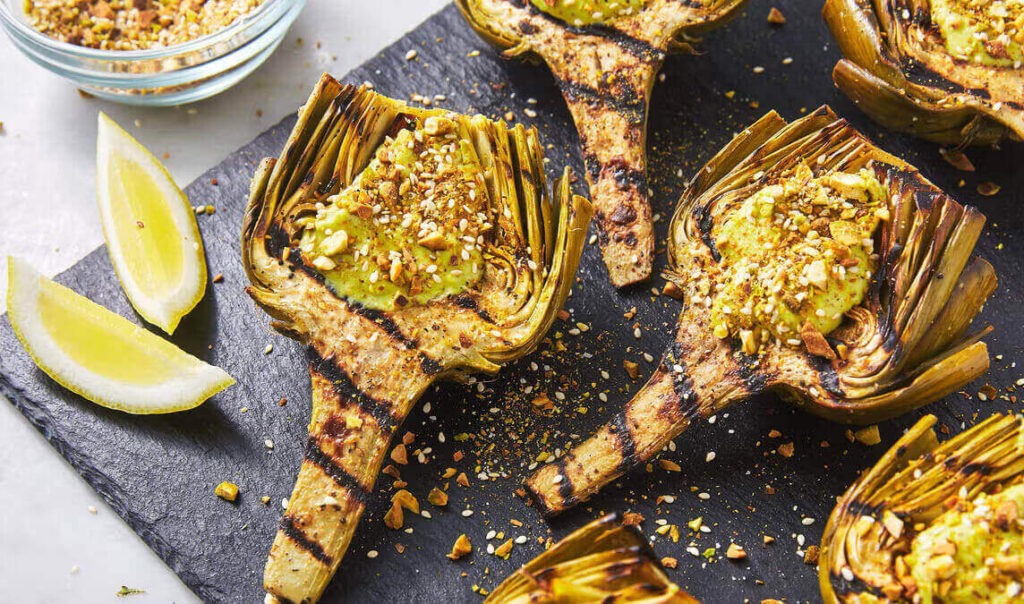
The foundation of any great artichoke recipe begins with choosing the freshest ingredients. Artichokes should be firm, heavy for their size, and have tightly closed leaves.
To keep them from browning during preparation, it’s best to soak them in water with lemon juice. This step not only preserves their color but also enhances their natural flavor.
For a traditional Mediterranean-style artichoke recipe, the key ingredients often include artichokes, olive oil, onions, carrots, potatoes, peas, and lemon. Olive oil gives the dish its signature richness while balancing the earthiness of the artichokes.
Fresh vegetables like carrots and peas add sweetness and texture, making the dish both colorful and delicious. Preparation usually involves trimming the tough outer leaves and stems before hollowing out the center.
The cleaned artichokes are then filled or surrounded with vegetables and slowly cooked in a blend of olive oil, lemon juice, and water. This slow cooking process ensures that the artichokes absorb all the flavors while maintaining a tender texture.
Attention to detail during preparation can transform a simple artichoke recipe into an elegant dish. By carefully cleaning, seasoning, and arranging the vegetables, you create a recipe that not only tastes great but also looks visually appealing when served.
Health Benefits And Nutritional Value Of Artichokes
Beyond their culinary charm, artichokes are a powerhouse of nutrition, making any artichoke recipe both delicious and health-promoting.
Low in calories and rich in fiber, artichokes are ideal for supporting digestive health and maintaining a balanced diet. Their high fiber content also helps regulate appetite, making them a favorite for those focused on weight management.
Artichokes are also packed with essential vitamins and minerals. They contain vitamin C, vitamin K, folate, and magnesium, all of which play key roles in maintaining energy levels, immune strength, and bone health.
The potassium content in artichokes contributes to healthy blood pressure regulation, while their antioxidant compounds support heart and liver health. One of the most remarkable benefits of artichokes is their detoxifying effect on the liver.
The vegetable contains cynarin, a compound known to promote bile production and improve digestion. Regular consumption of dishes like an artichoke recipe can therefore contribute to long-term liver health and overall vitality.
By incorporating artichokes into your diet, you’re not only enjoying their unique taste but also tapping into centuries of traditional wisdom where this vegetable was prized for both culinary and medicinal purposes.
A well-prepared artichoke recipe is, therefore, as good for your body as it is for your palate.
Artichoke Recipe: Cooking Tips For Perfect Flavor
Perfecting an artichoke recipe requires attention to both technique and timing. One of the most important tips is to cook the artichokes gently over low heat. High heat can cause them to lose their delicate flavor and become tough.
Slow cooking allows the flavors of olive oil, lemon, and vegetables to infuse gradually, creating a balanced and harmonious taste. Another tip is to season generously but thoughtfully. Fresh herbs like dill, parsley, or mint complement the mild bitterness of artichokes beautifully.
Adding garlic or a hint of white wine during cooking can also elevate the overall flavor profile. However, the seasoning should never overpower the natural taste of the artichokes. Presentation also plays a role in flavor perception.
Placing vegetables neatly inside the artichoke hearts ensures that every bite contains a blend of textures and tastes. Serving the dish chilled allows the flavors to deepen, making the artichoke recipe even more refreshing, especially in warmer months.
Finally, patience is key. Allowing the dish to rest after cooking enhances the overall taste as the ingredients meld together. Following these simple yet effective cooking tips ensures that your artichoke recipe delivers the perfect balance of flavor, aroma, and texture.
Creative Serving Suggestions For Light Meals
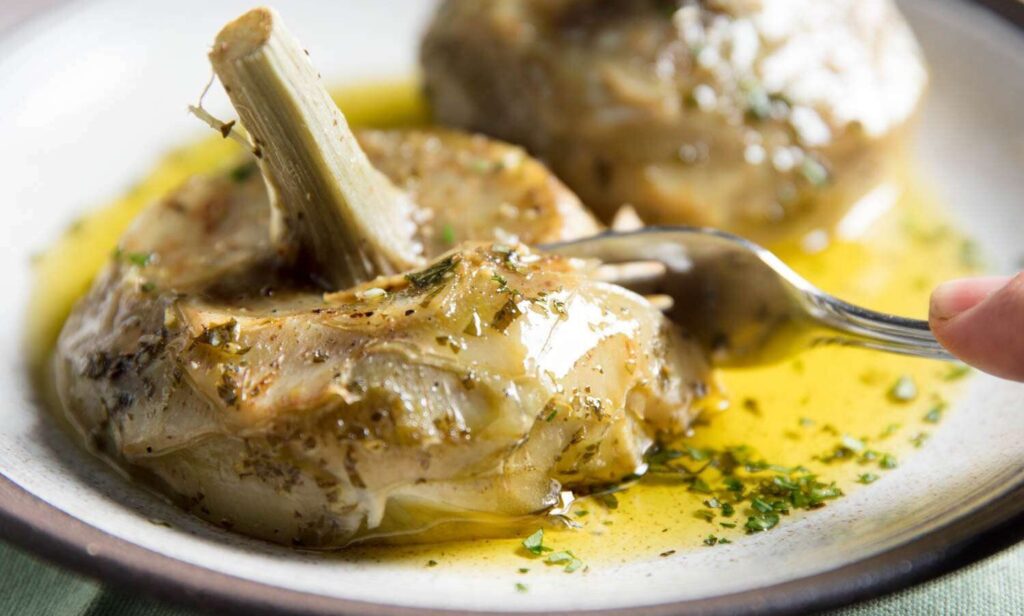
The versatility of an artichoke recipe makes it suitable for many types of meals. Traditionally served as a cold appetizer, it can also be part of a light lunch or even a centerpiece for a vegetarian dinner.
By pairing artichokes with complementary dishes, you can create a well-rounded and satisfying menu. For example, serving artichoke recipe alongside a fresh green salad enhances its refreshing quality.
Combining it with dishes like stuffed grape leaves, hummus, or grilled fish adds variety to a Mediterranean-style table. For a more modern twist, artichokes can be paired with quinoa or bulgur, turning the dish into a wholesome and protein-rich meal.
Presentation also enhances the dining experience. Garnishing with fresh herbs, lemon slices, or a drizzle of extra virgin olive oil makes the dish more visually appealing. Artichokes can even be used as edible bowls, holding vegetables, grains, or dips for a creative and unique serving style.
In this way, an artichoke recipe becomes not just a meal but also a versatile culinary canvas. With a bit of imagination, it can adapt to any occasion, from casual family meals to elegant dinner parties.
Artichoke Recipe: Common Mistakes To Avoid
Even though preparing an artichoke recipe is relatively simple, there are common mistakes that can compromise the final result. One frequent error is not soaking the artichokes in lemon water after cleaning.
Without this step, they quickly oxidize and turn brown, losing both visual appeal and freshness. Another mistake is overcooking. While artichokes need time to become tender, leaving them on the stove for too long can make them mushy and strip them of their delicate flavor.
Similarly, undercooking results in tough textures that make the dish unappetizing. Striking the right balance is key. Using too little seasoning is also a common issue.
While the natural taste of artichokes should shine, complementary ingredients like olive oil, lemon, and herbs are essential for enhancing the flavor.
Skipping or minimizing these additions can make the dish bland. Lastly, neglecting presentation reduces the appeal of even the tastiest artichoke recipe.
Small details, such as arranging the vegetables neatly or garnishing with herbs, elevate the dish from ordinary to extraordinary. Avoiding these mistakes ensures that every artichoke recipe you prepare is both delicious and visually stunning.
See you in the next post,
Anil UZUN