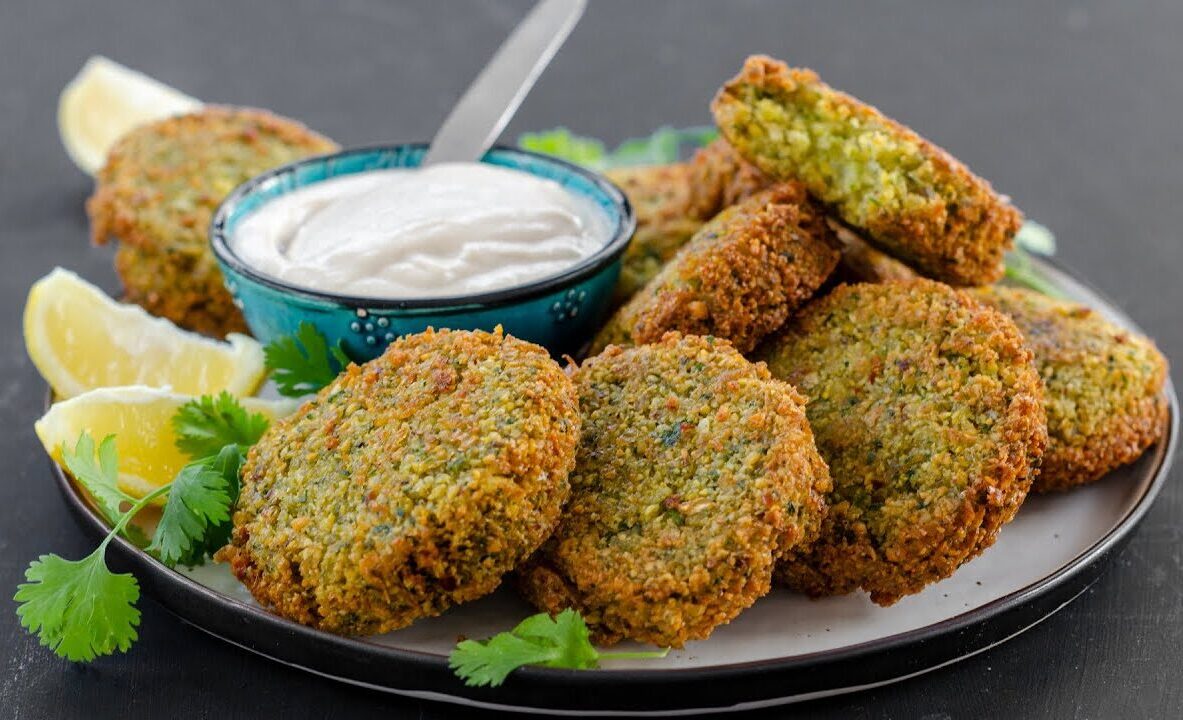
If you’ve been searching for an Falafel recipe that actually works at home, this guide is for you. Falafel looks simple from the outside, but small details like chickpea texture, moisture level, and oil temperature are what separate crispy, flavorful falafel from dry or crumbly ones.
The good news is you don’t need fancy tools or restaurant experience to get it right. Once you understand the logic behind the mixture and cooking process, you can make falafel that’s crunchy on the outside, soft and herby inside, and perfect for wraps, bowls, or snack plates.
This homemade Falafel recipe focuses on practical steps you can repeat every time. You’ll learn how to choose and soak chickpeas properly, build the right spice balance, compare frying vs baking vs air fryer, and fix common issues that usually happen in first attempts.
By the end, you’ll have a go-to method you can confidently use for weekly meal prep or quick dinners.
Falafel Recipe Mix: Herbs, Spices, And The Best Flavor Balance
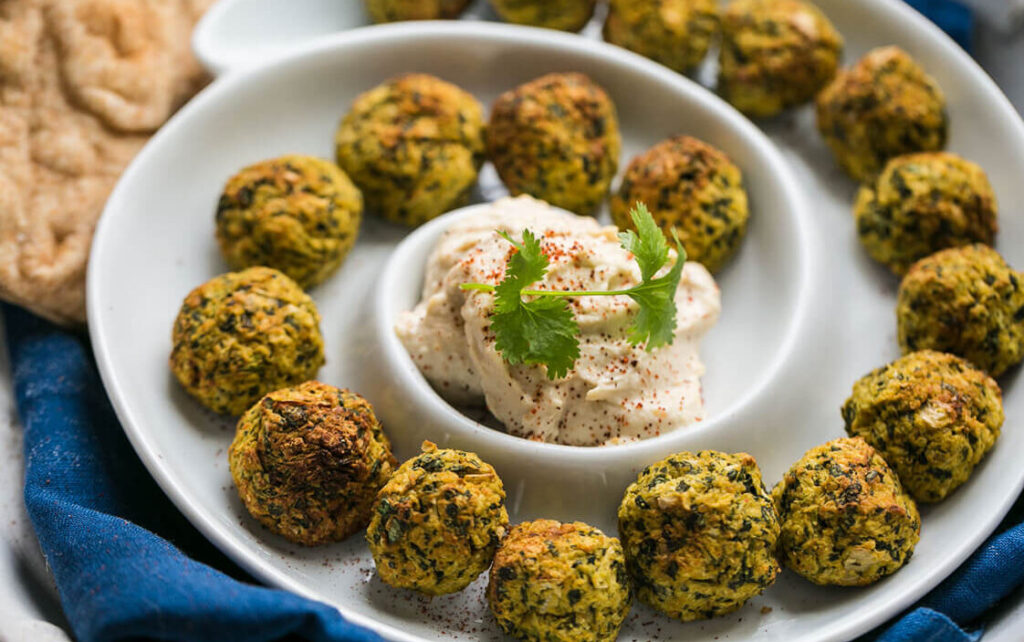
A strong falafel recipe starts with the mix. Falafel should taste bright and fresh from herbs, but also warm and deep from spices. The most classic herb combination is parsley and cilantro.
Parsley gives a clean and slightly peppery freshness, while cilantro adds a unique aroma that feels more traditional. If you do not enjoy cilantro, you can reduce it and use more parsley, but a mix of both creates the best flavor.
Onion and garlic are the flavor base. Onion helps with moisture and softness, while garlic adds intensity. However, you should not blend them too smoothly because excess moisture can weaken the mixture.
Pulsing until finely chopped is enough. The goal is to distribute flavor while still keeping the texture slightly grainy. For seasoning, cumin is essential in almost every falafel recipe because it gives the signature taste people recognize immediately.
Coriander powder supports cumin and adds warmth. A small amount of paprika can improve color and flavor depth, while black pepper adds sharpness.
Salt should be balanced, not aggressive, because tahini sauce and pickles often add extra salt later. If you want the inside to feel lighter, you can use baking powder, but only add it right before cooking.
Baking powder helps create a softer interior, especially when frying. You can also add a small spoon of chickpea flour if the mixture feels loose. Do not add too much flour, because falafel should never feel like dough. It should feel like damp sand that holds together when pressed.
Most importantly, do not over-process the mixture. A perfect falafel recipe mix should not look like hummus. Falafel needs a rougher texture so it stays airy and crispy when cooked. If it becomes too smooth, it will turn heavy and dense.
Choosing And Soaking Chickpeas: The Key To The Right Falafel Texture
The biggest difference between average and amazing falafel recipe results is chickpea choice. Always use dried chickpeas, not canned. Canned chickpeas are already cooked and hold too much moisture, which often leads to mushy falafel that breaks apart.
Soaking dried chickpeas is simple but requires patience. Soak them for at least 12 hours, and ideally 16 hours if possible. They should become larger, lighter in color, and easier to bite. They should still feel firm, not fully soft like cooked chickpeas.
If they are too hard, falafel can taste raw and dry. If they become too soft, the mixture can turn wet and weak. After soaking, drain chickpeas very well. A successful falafel recipe depends heavily on moisture control.
Let them sit in a colander for 10 to 15 minutes, then pat them gently with paper towels if you want even better results. Less water means stronger structure and better crispiness. Grinding chickpeas also matters. Use a food processor and pulse in short bursts.
Do not blend continuously, because that creates a paste. You want small crumbs, like coarse couscous. This texture helps falafel stay fluffy instead of dense. After mixing chickpeas with herbs and spices, resting the mixture is very important.
Refrigerate the mixture for at least 30 minutes. This helps everything firm up and improves flavor because the herbs and spices blend naturally. Many people skip this step and then wonder why their falafel breaks. Resting is one of the simplest ways to strengthen a falafel recipe.
Shaping And Cooking Methods: Frying, Baking, And Air Fryer Compared
Shaping is where your falafel recipe turns into real falafel. You can shape falafel into balls or slightly flattened discs. Balls keep a softer center, while discs cook more evenly and get crisp faster. For frying, both shapes work well.
For baking or air frying, discs usually produce better texture. Use damp hands when shaping so the mixture does not stick, but do not add too much water. If the mix feels too crumbly, it may need more resting time.
If it feels too wet, it may need a bit more chickpea flour or less onion next time. Frying is the classic method for a falafel recipe because it produces the strongest crunch and most traditional flavor.
The oil temperature matters more than anything else. If oil is too cold, falafel absorbs oil and becomes heavy. If oil is too hot, falafel browns too fast while staying raw inside.
The ideal temperature gives gentle bubbling and turns falafel golden in about 3 to 5 minutes. Baking is a healthier option, but baked falafel needs help to avoid dryness.
Brush the falafel lightly with oil and bake in a hot oven. Flip halfway through for even browning. The texture will be slightly different than frying, but still enjoyable if the mixture is correct. Air frying is a great middle option. It gives crispiness with less oil and cooks fairly quickly.
For air fryer falafel, shape them flatter and spray lightly with oil. Place them in a single layer so hot air can circulate. This method is very practical if you want a lighter falafel recipe without losing texture.
Fixing Common Problems: Crumbling, Dry Centers, And Oil Temperature Tips
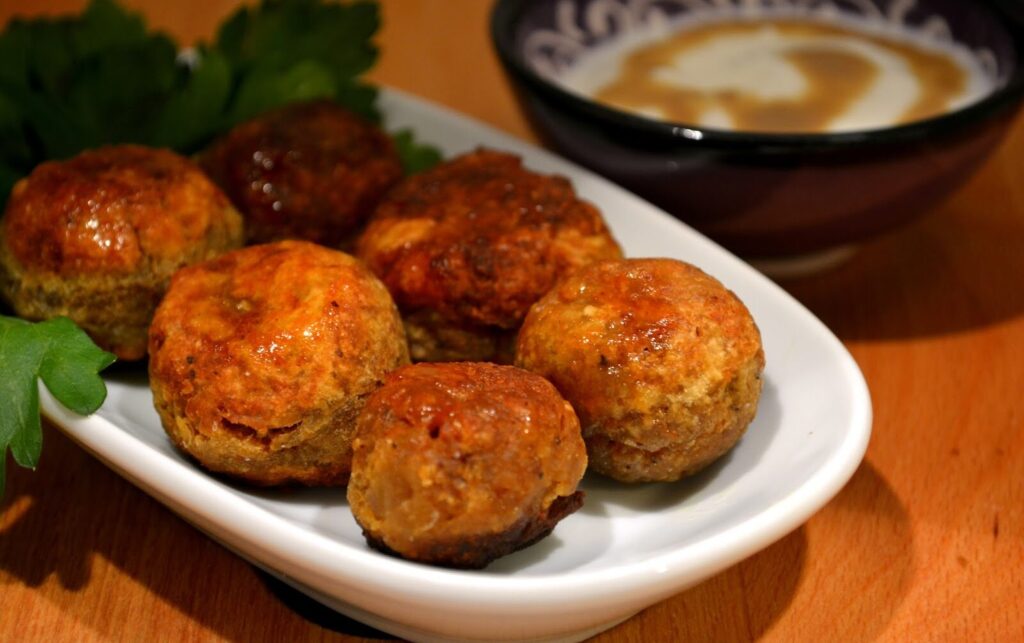
Even a well-prepared falafel recipe can sometimes run into problems, especially if it is your first time. The most common issue is crumbling during shaping. This usually means the mixture is too dry or not rested enough. Chill it longer, and if needed, add a small spoon of chickpea flour.
Falafel falling apart during cooking often happens when the oil is not hot enough or the mix is too wet. Always test with one falafel first. If it sinks and stays with no bubbling, oil is too cold. If it burns instantly, oil is too hot. A stable medium-high heat is the sweet spot.
Dry centers happen when chickpeas are under-soaked or falafel is cooked too long. Make sure chickpeas soak long enough, and do not overcook. If baking, brushing oil helps keep moisture inside.
If falafel tastes bland, adjust salt and herbs. A good falafel recipe needs enough herbs for freshness and enough spice for identity. Increasing parsley and a small pinch of cumin can improve flavor immediately.
Falafel Recipe Serving Ideas: Tahini Sauce, Wraps, And Storage Tips
Serving is what makes your falafel recipe feel complete. The most classic pairing is tahini sauce. It is creamy, nutty, and balances falafel perfectly. A simple tahini sauce can be made with tahini, lemon juice, garlic, salt, and cold water mixed until smooth.
Falafel also works perfectly in wraps. Use pita bread or flatbread and add lettuce, tomato, cucumber, pickles, and sauce. You can also add hummus for a richer bite. If you prefer a plate meal, serve falafel with rice, fresh salad, and a sauce on the side.
For storage, cooked falafel keeps well in the fridge for 2 to 3 days. Reheat in an oven or air fryer to keep crispiness. Avoid microwaving because it softens the texture.
You can also freeze shaped uncooked falafel and cook directly from frozen, making your falafel recipe perfect for meal prep. Once you master the mix, soaking, and cooking temperature, homemade falafel becomes one of the easiest meals to repeat.
With this falafel recipe, you can create authentic flavor at home while keeping the process simple and practical.
See you in the next post,
Anil UZUN