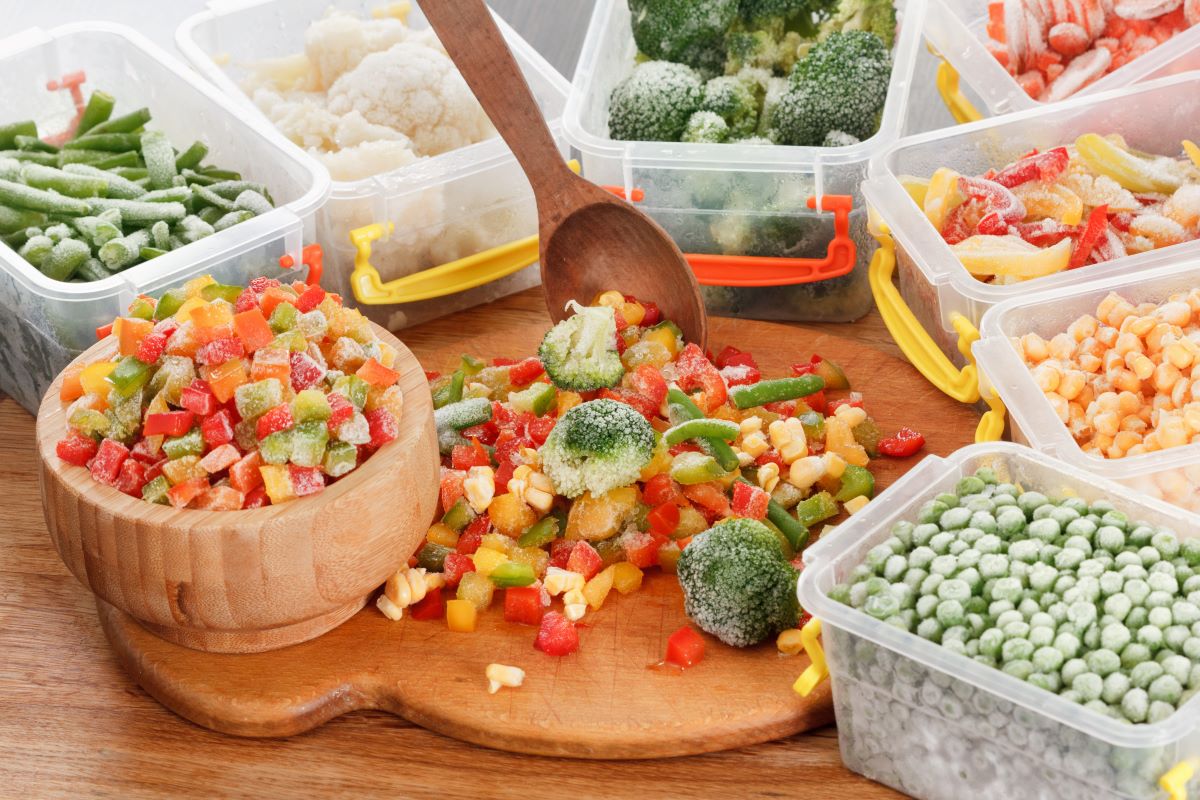
In today’s fast-paced world, it is not always possible to prepare elaborate meals from scratch every day. That is why frozen food recipes have become a reliable solution for families, busy professionals, and anyone who values convenience without sacrificing nutrition.
Frozen ingredients allow you to save time and still create delicious, satisfying meals that everyone will enjoy. Many people assume frozen food lacks flavor or nutrients, but with the right methods, it can be just as tasty and healthful as fresh alternatives.
From vegetables and meats to ready-made dough and fruits, frozen products offer endless versatility in the kitchen. Proper handling and smart cooking strategies are the keys to making the most of frozen food recipes.
Whether you are planning a quick weeknight dinner or preparing for unexpected guests, having a collection of these recipes on hand ensures you are never unprepared.
This guide will walk you through practical tips, storage guidelines, and creative ideas to help you turn frozen ingredients into delicious meals your family will love.
Frozen Food Recipes: Quick Meals For Busy Weeknights

When time is short, frozen food recipes are your best ally. You can prepare a balanced meal in under 30 minutes using a combination of frozen vegetables, pre-cooked proteins, and simple seasonings.
One of the simplest examples is a stir-fry. Keep a mix of frozen bell peppers, broccoli, and carrots in your freezer.
Sauté them with frozen shrimp or chicken strips, add soy sauce, and serve over rice or noodles. This colorful dish requires almost no preparation and tastes fresh and vibrant.
Frozen ravioli or tortellini are also ideal for quick dinners. Boil them straight from the freezer and top them with a jar of marinara sauce and grated cheese for a hearty meal in minutes. Pair with a side salad made from frozen edamame for extra protein.
Pizza lovers can keep frozen pizza dough or flatbreads on hand. Top with frozen vegetables and pre-cooked sausage, then bake until golden and bubbly. This approach transforms freezer staples into satisfying comfort food.
By keeping your freezer stocked with essential ingredients, you will always have the foundation for frozen food recipes that save time without compromising quality.
How To Store And Thaw Ingredients Safely
Safe storage and thawing practices are crucial when working with frozen food recipes. Mishandling frozen ingredients can lead to foodborne illness or a loss of flavor and texture.
Always label and date your frozen items to track their freshness. Most vegetables and proteins maintain optimal quality for up to three months when stored in airtight bags or containers. Make sure your freezer is set to zero degrees Fahrenheit or colder.
When it is time to thaw frozen meat or seafood, avoid leaving it out on the counter. The safest way is to move it to the refrigerator the night before you plan to cook. This gradual thawing keeps the temperature within a safe range and preserves moisture.
For quicker thawing, you can submerge vacuum-sealed packages in cold water, changing the water every 30 minutes. Never use hot water, as it can partially cook the food and create bacterial risks.
Many frozen food recipes do not require thawing at all. Frozen vegetables, for instance, can go directly into soups, stews, or stir-fries. This not only saves time but also prevents the soggy texture that sometimes occurs when vegetables are thawed in advance.
Frozen Food Recipes For Nutritious Family Dinners
With a little planning, frozen food recipes can be the foundation of wholesome family dinners. Balanced meals are possible by combining protein, complex carbohydrates, and plenty of vegetables.
A sheet pan dinner is a perfect example. Arrange frozen chicken breasts or salmon fillets on a baking tray.
Surround them with frozen broccoli florets, cauliflower, and diced sweet potatoes. Season with olive oil, garlic powder, and herbs, then bake until everything is tender and cooked through.
Another family favorite is chili made from frozen ground beef or turkey. Simply brown the meat in a pot, add frozen diced onions and peppers, then pour in canned tomatoes and beans. Simmer for 30 minutes for a hearty meal full of protein and fiber.
Frozen mixed vegetables are also ideal for casseroles. Combine them with cooked rice, shredded cheese, and a creamy sauce, then bake until bubbly. This comforting dish can be prepared in advance and reheated throughout the week.
If you want lighter fare, try a vegetable soup made with frozen peas, carrots, green beans, and corn. Add vegetable broth and season to taste. Serve with crusty bread for a satisfying, nutrient-rich dinner.
Creative Ways To Use Frozen Vegetables And Meats
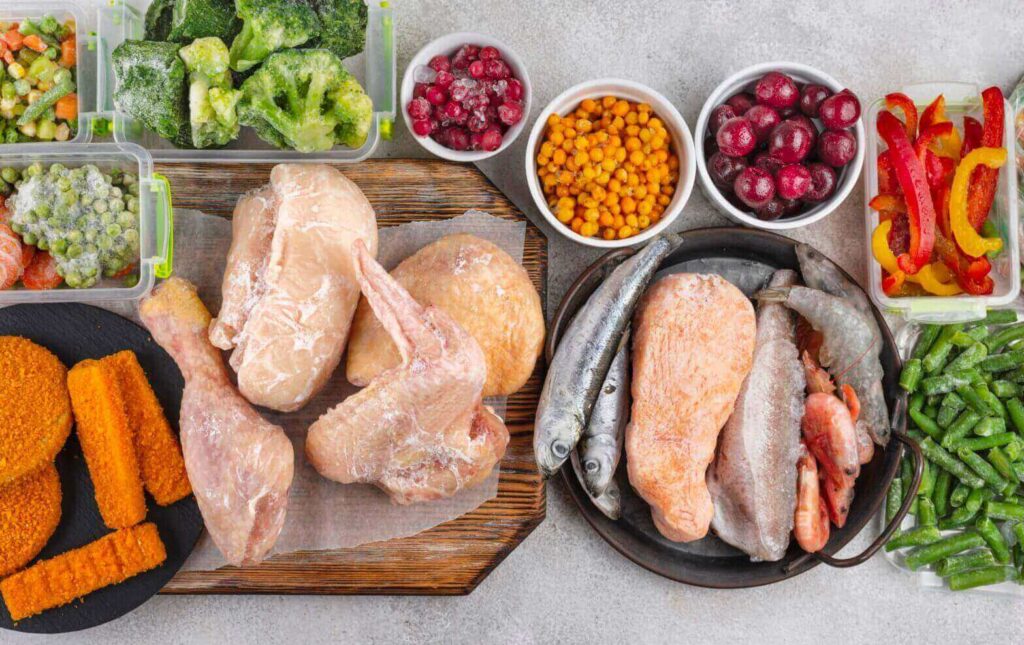
Many people think frozen food recipes are limited to basic stews or side dishes, but frozen ingredients can be transformed into inventive meals with a little creativity.
Frozen spinach is a versatile ingredient for everything from breakfast to dinner. Blend it into smoothies for added vitamins, stir it into scrambled eggs, or incorporate it into stuffed pasta shells.
Frozen berries can be used in sauces for roasted meats. A simple cranberry or blueberry reduction adds a tangy contrast to chicken or pork dishes.
Try making a savory pot pie using frozen mixed vegetables and shredded rotisserie chicken. Pour a simple gravy over the filling and top with puff pastry before baking until golden brown.
For an easy lunch, create wraps using frozen grilled chicken strips. Warm them briefly in a skillet, then layer with hummus, lettuce, and shredded cheese in a whole-wheat tortilla.
Frozen seafood can also elevate your meals. Toss frozen shrimp with pasta, garlic, and olive oil for a Mediterranean-inspired dinner ready in 20 minutes.
By exploring new combinations and preparation methods, you will discover that frozen food recipes offer endless options beyond traditional dishes.
Frozen Food Recipes: Tips To Keep Flavors Fresh
One of the biggest concerns when using frozen ingredients is maintaining flavor and texture. Fortunately, there are several strategies to ensure your frozen food recipes taste just as good as meals made from fresh ingredients.
Avoid overcooking frozen vegetables, as they can become mushy and bland. Instead, cook them quickly over high heat to preserve their vibrant color and crispness.
Season generously, since frozen foods sometimes have a slightly muted taste. Herbs, spices, citrus juice, and flavored oils can brighten your dishes and add complexity.
If you are baking with frozen fruit, do not thaw it first. Mixing frozen berries directly into batter prevents them from bleeding juice and turning everything soggy.
Store frozen products in airtight packaging to avoid freezer burn, which dries out food and impairs flavor. Vacuum-sealed bags are especially effective for long-term storage.
Lastly, taste your food before serving and adjust seasoning as needed. A final sprinkle of salt or a squeeze of lemon can make a big difference in bringing out the best qualities of your frozen food recipes.
See you in the next post,
Anil UZUN