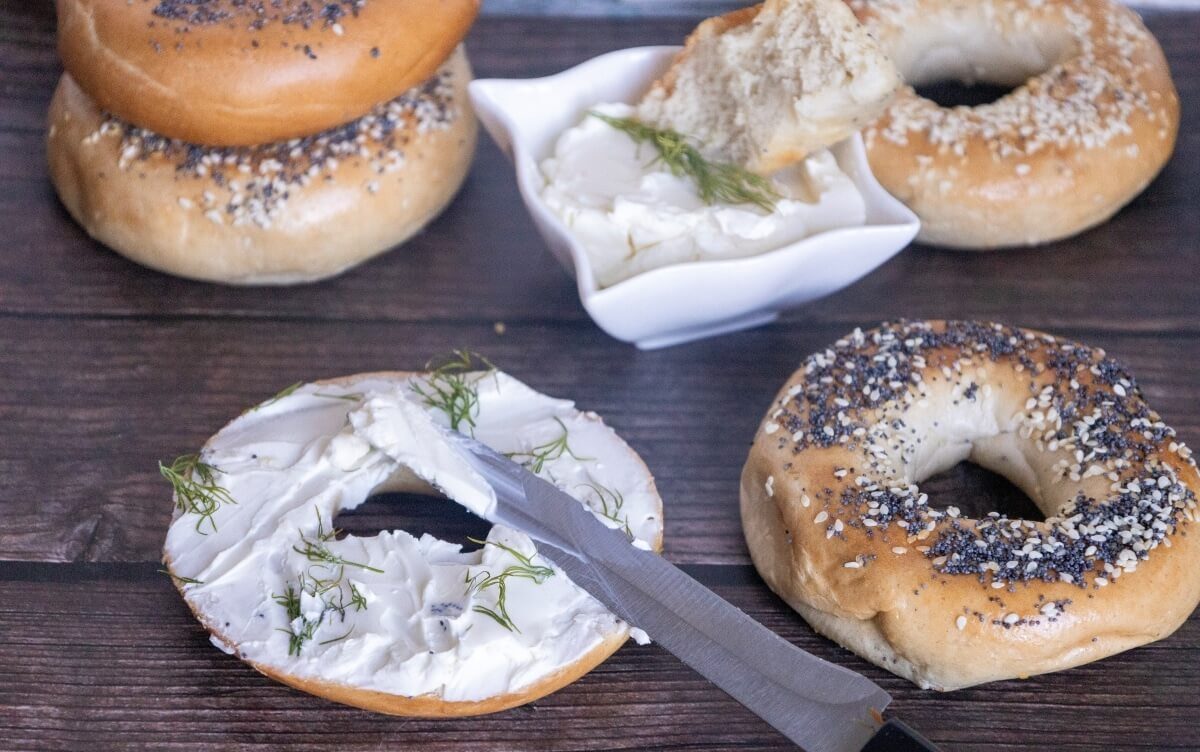
Making bagel at home are one of the most iconic baked goods worldwide, especially known for their chewy texture and golden-brown crust. While they are traditionally associated with New York-style bakeries, they also share similarities with Turkish simit.
Both are ring-shaped, both have crispy exteriors, and both are beloved breakfast staples. With the right ingredients and methods, making bagel at home can be a fun and rewarding baking project that delivers bakery-quality results straight from your own oven.
The process of making bagel at home requires careful preparation, from kneading the dough to shaping, boiling, and finally baking.
The unique boiling step sets bagels apart from other breads, giving them their distinctive chewy bite. Combined with various toppings like sesame, poppy seeds, or everything seasoning, bagels are versatile and customizable.
In this guide, you will learn everything about making bagel at home: choosing ingredients, shaping and boiling techniques, secrets to achieving the perfect crispy crust, flavor variations, and the mistakes to avoid.
By following these steps, you can enjoy fresh, delicious bagels whenever you like without depending on a bakery.
Making Bagel At Home: Key Ingredients And Preparation
When making bagel at home, the first step is to choose the right ingredients. Each element contributes to the signature texture and taste of bagels.
-
Flour: Strong bread flour with high protein content (around 12–14%) is essential. It helps create a dense, chewy texture that distinguishes bagels from regular bread.
-
Yeast: Both instant dry yeast and fresh yeast can be used. Fresh yeast provides a slightly richer flavor, while instant yeast is more convenient.
-
Water: Use lukewarm water for mixing. The hydration level for bagels is lower than for regular bread, giving them a firmer, denser dough.
-
Sugar or Malt Syrup: Adding sugar, honey, or malt syrup provides sweetness and helps with crust color. Malt syrup is traditional in New York-style bagels.
-
Salt: Enhances flavor and strengthens gluten structure.
-
Toppings: Sesame seeds, poppy seeds, sunflower seeds, or everything seasoning mix add texture and flavor.
Before starting, measure all ingredients precisely. Prepare a large mixing bowl, a dough scraper, and baking trays. Preheat your oven and, if possible, get a large pot ready for boiling. Careful preparation ensures that making bagel at home runs smoothly and successfully.
Techniques For Shaping And Boiling Before Baking
One of the most defining steps in making bagel at home is boiling the dough before baking. This technique gives bagels their chewy bite and glossy crust.
-
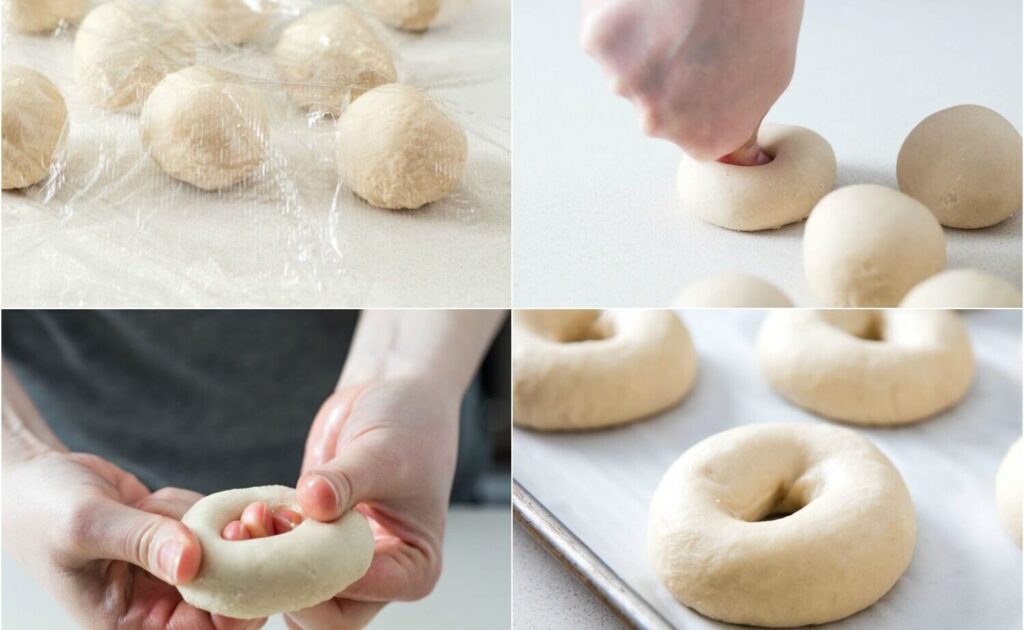
Shaping the Dough: After the dough has been kneaded and proofed, divide it into equal pieces (about 100–120 grams each). Roll each piece into a smooth ball. Then poke a hole in the center with your finger and stretch gently to form a ring. Alternatively, roll into a rope and join the ends. Consistent thickness ensures even baking.
-
First Proofing: Allow the shaped bagels to rest on a tray for 15–20 minutes before boiling. This relaxes the dough and makes handling easier.
-
Boiling the Bagels: Boil water in a large pot and add 1–2 tablespoons of honey, sugar, or malt syrup. Drop bagels in gently, a few at a time, and boil for 30–60 seconds per side. Longer boiling gives a denser, chewier bagel.
-
Topping Before Baking: After boiling, immediately coat the bagels with sesame seeds, poppy seeds, or seasoning while they’re still wet. This helps toppings stick firmly.
Boiling is the secret weapon in making bagel at home. Skipping this step would result in ordinary bread rings instead of authentic bagels.
Making Bagel At Home: Tips For A Perfect Crispy Crust
Achieving a crispy crust while keeping the inside soft and chewy is the ultimate goal of making bagel at home. Here are proven techniques:
-
High-Temperature Baking: Bake bagels at 220–230°C (425–450°F). A hot oven is key for creating a golden-brown crust.
-
Stone Baking or Steel Tray: Using a preheated baking stone or steel tray improves heat distribution, giving a professional bakery finish.
-
Steam in the Oven: Placing a small pan of water in the oven helps maintain steam, ensuring a glossy, crispy exterior.
-
Even Boiling: Ensuring each bagel is boiled evenly helps develop consistent crust texture across the batch.
-
Rotating During Baking: Rotate trays halfway through to prevent uneven browning.
By paying attention to these details, making bagel at home will result in perfectly crisp bagels every time.
Flavor Variations With Seeds, Herbs, And Fillings
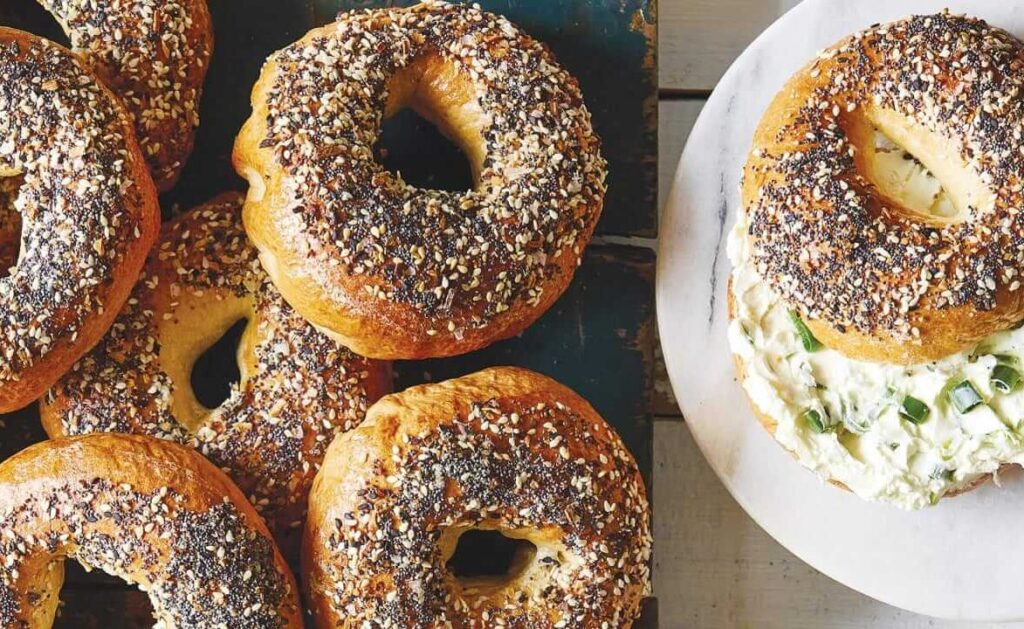
One of the joys of making bagel at home is experimenting with different flavors. Traditional bagels are coated with sesame or poppy seeds, but you can take things further with endless variations:
-
Seed Toppings: Sunflower, pumpkin, or flax seeds provide unique textures.
-
Everything Bagel Mix: A blend of sesame, poppy, garlic, onion, and salt is a modern favorite.
-
Herbs and Spices: Rosemary, thyme, oregano, or even za’atar can be added to the dough for aromatic bagels.
-
Cheese Toppings: Sprinkle shredded cheddar, mozzarella, or parmesan before baking for a cheesy crust.
-
Stuffed Bagels: Fill the dough with cream cheese, spinach, feta, or even smoked salmon for a creative twist.
These variations make making bagel at home not only delicious but customizable for every palate. Whether you prefer classic sesame bagels or bold stuffed versions, the possibilities are endless.
Making Bagel At Home: Common Mistakes To Avoid
Although the process is straightforward, there are common mistakes beginners make when making bagel at home:
-
Using Weak Flour: Low-protein flour results in soft bread-like bagels instead of chewy ones.
-
Skipping the Boiling Step: Without boiling, the bagel will lack chewiness and glossy crust.
-
Overproofing the Dough: Over-risen dough collapses during boiling and baking. Keep proofing times moderate.
-
Incorrect Oven Temperature: Too low, and the bagels won’t brown properly; too high, and they burn.
-
Uneven Shaping: Irregular thickness causes uneven baking. Take time to shape carefully.
-
Adding Toppings Too Late: Toppings must be added right after boiling while the dough is wet. Otherwise, they won’t stick.
Avoiding these errors ensures that making bagel at home produces bakery-quality results consistently.
See you in the next post,
Anil UZUN