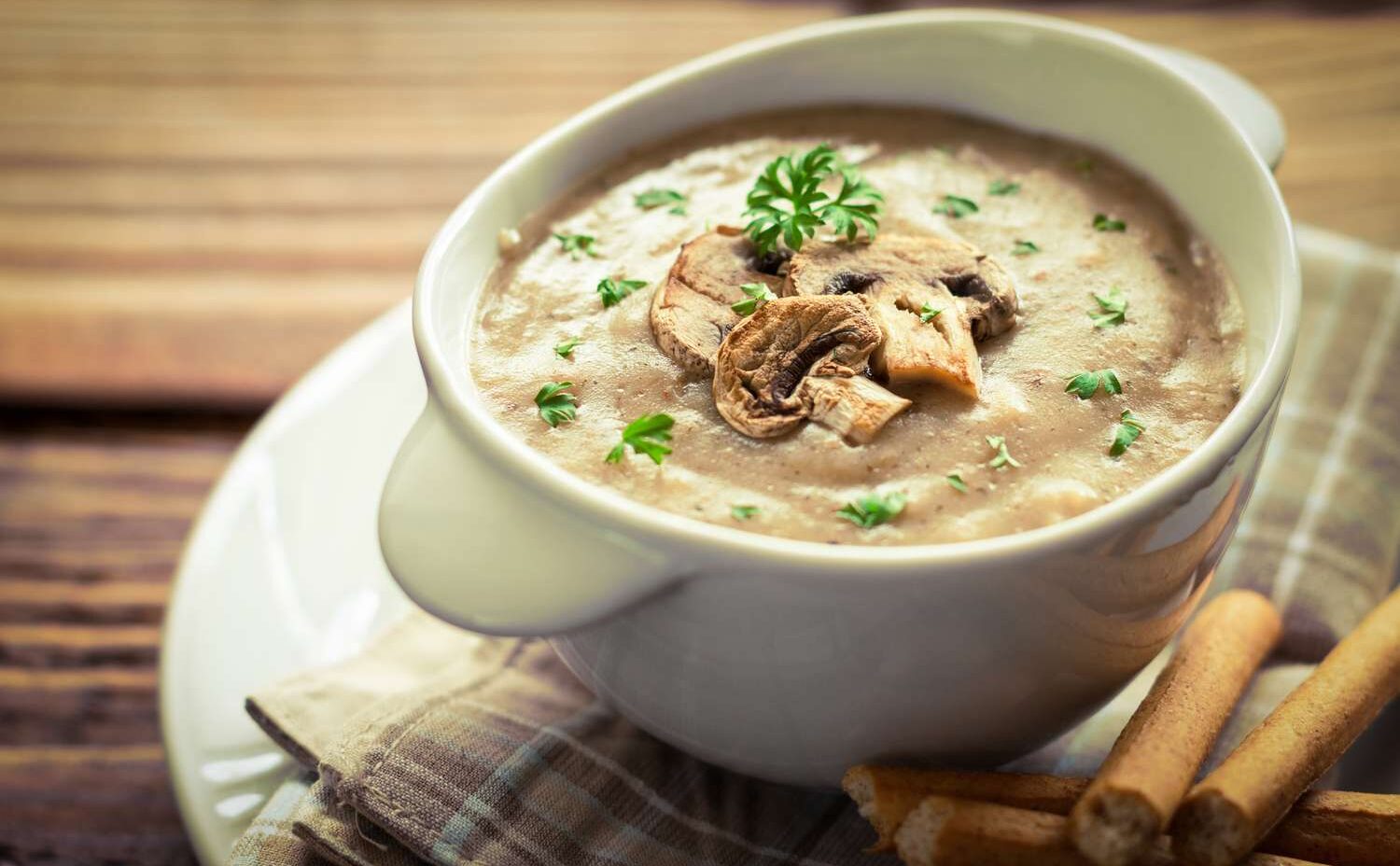
Cream of mushroom soup is a timeless comfort dish that combines the earthy depth of mushrooms with a smooth, velvety texture.
When prepared at home, it offers far more flavor and control than store-bought versions, allowing you to adjust richness, seasoning, and consistency to your taste.
This guide walks you through everything you need to know to make a balanced, restaurant-quality cream of mushroom soup using simple techniques and accessible ingredients. The key to an exceptional cream of mushroom soup lies in building flavor step by step.
From selecting the right mushrooms to managing heat when adding cream, small details make a big difference. Whether you want a light starter or a hearty bowl served with bread, this recipe-focused guide ensures consistent results every time.
Choosing The Best Mushrooms For Cream Of Mushroom Soup
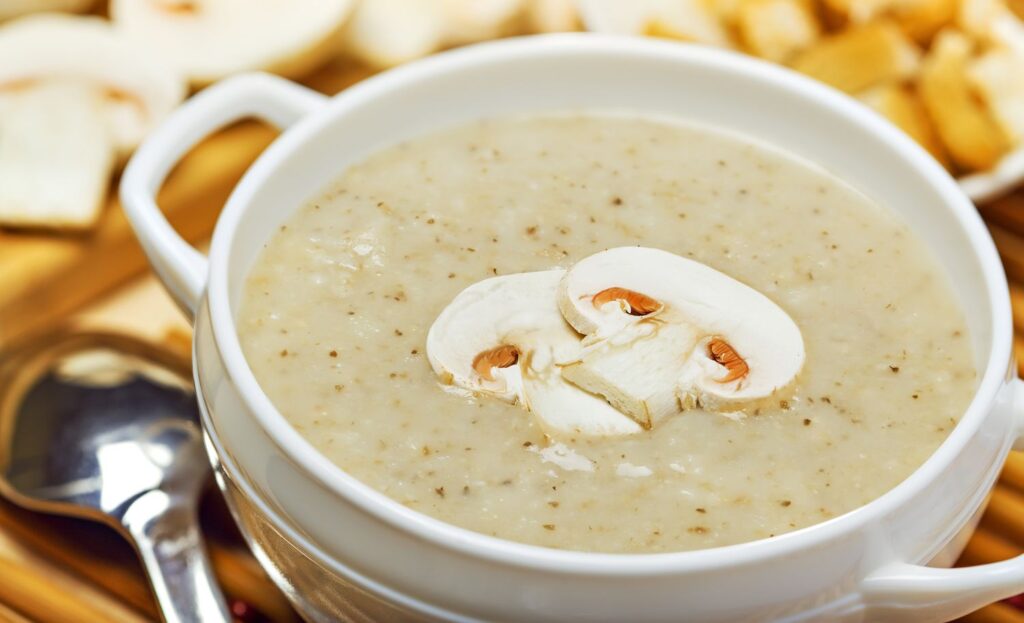
The foundation of any great cream of mushroom soup is, of course, the mushrooms. Button mushrooms are the most commonly used because they are mild, affordable, and widely available. They create a smooth, approachable flavor that works well with cream and herbs.
However, using a mix of mushrooms can significantly enhance depth and aroma. Cremini or chestnut mushrooms add a slightly nuttier, richer taste, while shiitake mushrooms bring a subtle umami note that elevates the soup without overpowering it.
Oyster mushrooms are another excellent option, especially if you prefer a softer texture and a more delicate profile. For best results, combine two or three types rather than relying on a single variety.
When preparing mushrooms, avoid washing them under running water, as they absorb moisture quickly. Instead, wipe them clean with a damp cloth or paper towel.
Slice them evenly so they cook at the same rate, which helps develop consistent flavor and prevents uneven textures in the finished cream of mushroom soup.
Cream Of Mushroom Soup Recipe: Step-By-Step For A Smooth, Creamy Texture
Begin by heating butter or olive oil in a wide, heavy-bottomed pot over medium heat. Add finely chopped onions and cook slowly until they become soft and translucent. This gentle cooking process builds a subtle sweetness that balances the earthiness of the mushrooms.
Once the onions are ready, add the sliced mushrooms and slightly increase the heat. Allow them to release their moisture and cook until the liquid evaporates and the mushrooms begin to brown lightly.
This step is crucial for developing flavor in cream of mushroom soup. Rushing this process often results in a flat, watery taste. Sprinkle flour evenly over the mushrooms and stir well, cooking for a minute or two to remove the raw flour taste.
Gradually add warm vegetable or chicken stock while stirring continuously to prevent lumps. Bring the mixture to a gentle simmer, then reduce the heat and let it cook until slightly thickened. Use an immersion blender or countertop blender to puree the soup until smooth.
Return it to low heat, add cream, and stir gently. Do not allow the soup to boil after adding cream, as this can cause separation. Season with salt and pepper to taste, adjusting consistency with additional stock if needed.
Flavor Boosters That Make It Better: Garlic, Herbs, Stock, And Cream Balance
A well-balanced cream of mushroom soup relies on thoughtful seasoning rather than heavy additions.
Garlic is one of the most effective flavor enhancers when used carefully. Add minced garlic shortly before the mushrooms finish cooking to prevent bitterness while still releasing aroma.
Fresh herbs such as thyme, parsley, or bay leaf complement mushrooms particularly well. Thyme can be added early during simmering, while fresh herbs are best stirred in just before serving.
Dried herbs can be used, but in smaller quantities to avoid overpowering the soup. Stock choice also plays a significant role. Vegetable stock keeps the soup light and highlights the mushrooms, while chicken stock adds richness and depth.
Cream should enhance the texture, not dominate the flavor. If you prefer a lighter version, replace part of the cream with milk or use a lower-fat cream alternative.
Fixing Common Issues: Too Thin, Too Thick, Grainy, Or Split Soup
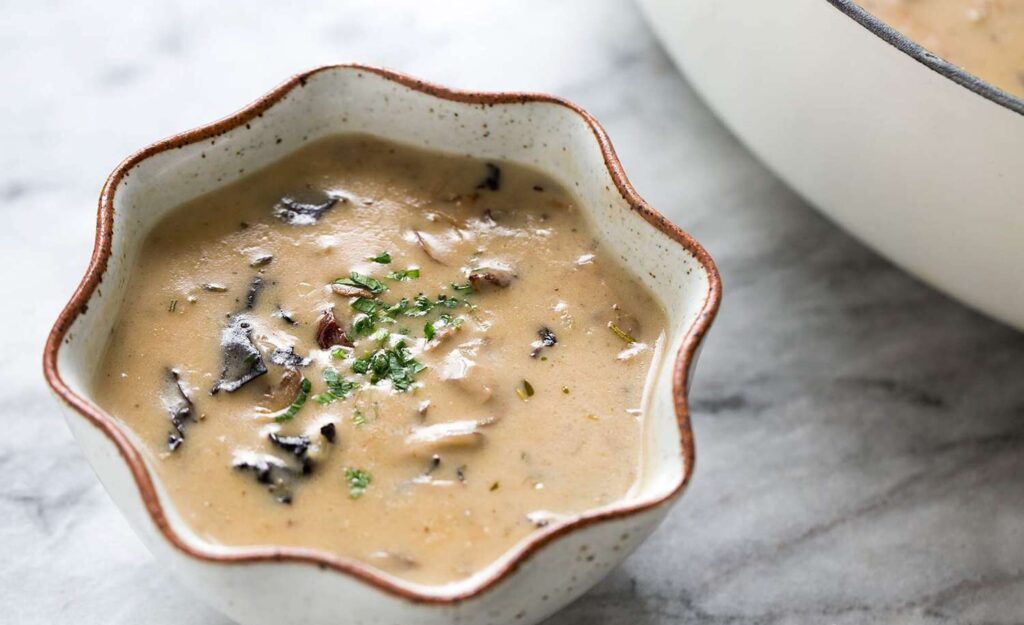
Even with careful preparation, issues can arise when making cream of mushroom soup. If the soup is too thin, let it simmer gently for a few extra minutes to reduce naturally.
Alternatively, mix a small amount of flour or cornstarch with cold water and stir it in gradually. If the soup becomes too thick, thin it with warm stock or milk, adding small amounts until the desired consistency is reached.
Grainy texture usually results from insufficient blending or uneven cooking of the mushrooms. Blending longer and ensuring mushrooms are fully softened before pureeing solves this problem.
Soup splitting or curdling typically occurs when cream is added at too high a temperature. Always lower the heat before adding dairy and avoid boiling afterward. Stir gently and consistently to maintain a smooth, cohesive texture throughout the cream of mushroom soup.
Serving Ideas: Toppings, Sides, And Make-Ahead Storage Tips
Serving cream of mushroom soup is an opportunity to enhance both flavor and presentation. Classic toppings include homemade croutons, freshly cracked black pepper, or a drizzle of cream.
Grated Parmesan or aged cheese adds a savory finish, while chopped parsley or chives provide freshness and color. For sides, crusty bread, garlic toast, or a simple green salad pair beautifully with the soup.
These additions turn a simple bowl into a complete and satisfying meal. If serving as a starter, smaller portions with elegant garnishes work particularly well. Cream of mushroom soup can be made ahead and stored in the refrigerator for up to three days.
Reheat gently over low heat, stirring frequently. Freezing is possible, but it is best done before adding cream. Add the cream after reheating to preserve texture and prevent separation.
See you in the next post,
Anil UZUN