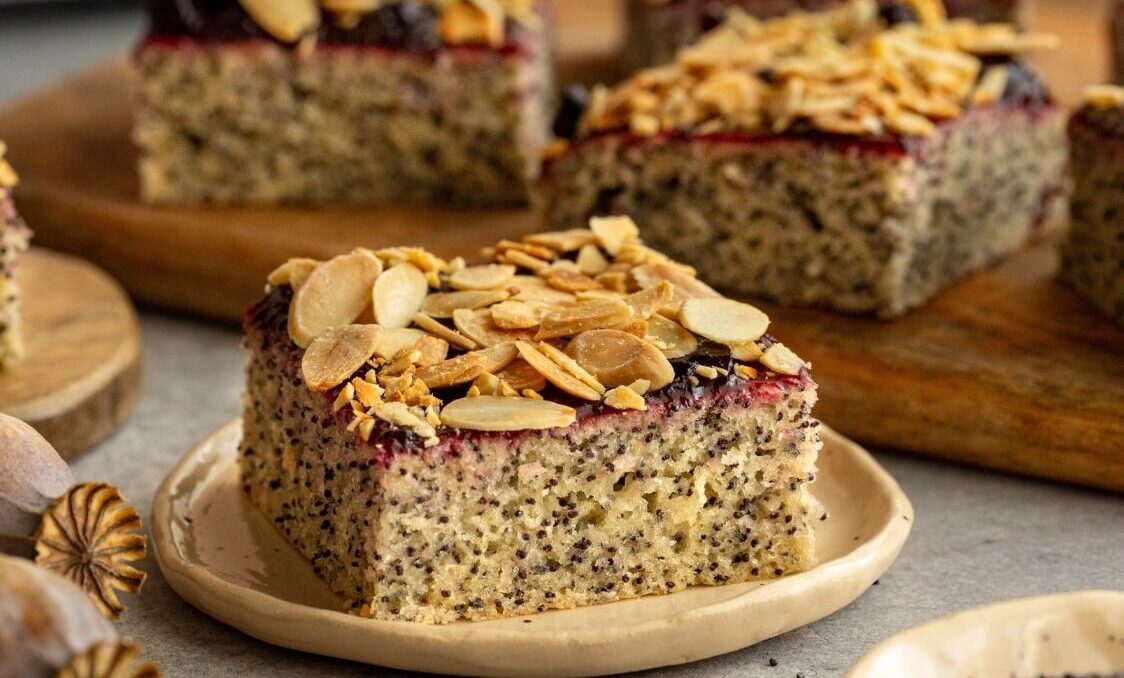
Healthy eating doesn’t have to mean giving up your favorite desserts. With fit cake recipes, you can satisfy your sweet cravings while still maintaining a balanced diet.
These recipes focus on using natural ingredients, avoiding refined sugar, and substituting unhealthy fats with nutritious alternatives.
Whether you’re following a fitness plan, trying to lose weight, or simply aiming for healthier eating habits, fit cakes provide the perfect guilt-free solution. Fit cake recipes typically replace white flour with oat, almond, or whole wheat flour.
Natural sweeteners such as honey, dates, or mashed bananas give the cakes a naturally rich flavor without the sugar rush. They are also easy to prepare, making them ideal for anyone who wants a quick, delicious, and health-conscious dessert option.
Fit Cake Recipes: Using Healthy Ingredients For Sweet Cravings
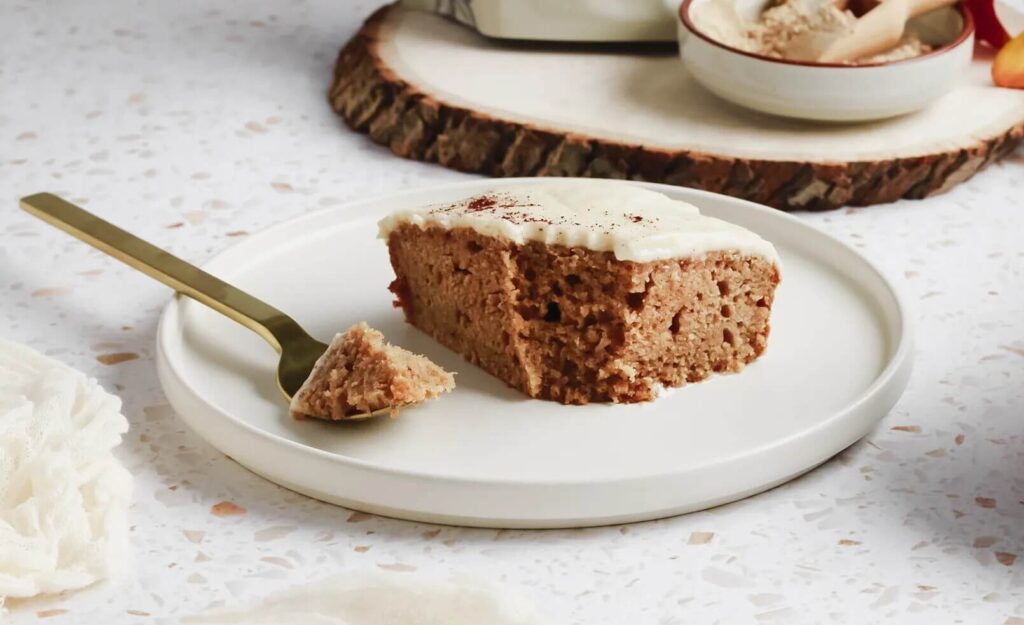
When preparing fit cake recipes, the most important factor is choosing the right ingredients. Refined sugar can easily be replaced with healthier options like dates, agave syrup, or apple puree.
These natural sweeteners not only enhance flavor but also provide additional nutrients such as fiber and potassium. Using ripe bananas or pureed fruits is another great way to achieve natural sweetness and moisture.
For flour, almond flour and oat flour are excellent substitutes for white flour. They are high in protein and fiber, helping to maintain energy levels throughout the day. Coconut oil or olive oil can replace butter to reduce saturated fat while keeping the cake soft and moist.
Adding nuts, seeds, or dark chocolate chunks can also increase the nutritional value of fit cake recipes. Chia seeds, flaxseeds, and walnuts are particularly good options because they contain healthy fats and omega-3 acids.
By choosing these natural ingredients, you can create a dessert that’s not only delicious but also nourishing for your body.
Baking Tips For Perfect Texture And Moistness
Baking fit cakes requires a slightly different approach than traditional desserts. Since ingredients like almond or oat flour absorb more liquid, it’s important to adjust the consistency of the batter.
When following fit cake recipes, your mixture should be thick yet pourable, similar to pancake batter. If it feels too dense, add a few tablespoons of plant-based milk such as almond or oat milk.
The baking temperature also matters. Fit cakes bake best at around 170–180°C (340–355°F). Higher temperatures can dry them out or cause uneven cooking.
Always preheat your oven to ensure even heat distribution and check doneness using the toothpick method if it comes out clean, your cake is ready. Another tip for maintaining moisture is to avoid overbaking.
Because healthy ingredients lack the high fat content of butter or sugar, they can dry out faster. Covering the cake with foil for the last few minutes of baking can help preserve softness.
Following these small details ensures that fit cake recipes come out tender, moist, and flavorful every time.
Fit Cake Recipes With Gluten-Free And Sugar-Free Options
For those with gluten sensitivities or specific dietary needs, fit cake recipes offer a wide range of gluten-free and sugar-free variations. Almond flour, coconut flour, and buckwheat flour are excellent gluten-free choices that retain texture and flavor.
They’re nutrient-dense and perfect for people following low-carb or paleo diets. If you’re avoiding sugar, opt for natural substitutes like stevia, monk fruit, or erythritol. These low-calorie sweeteners don’t spike blood sugar levels and are ideal for diabetic-friendly recipes.
Combining these sweeteners with ingredients such as cocoa, cinnamon, or vanilla helps create a balanced flavor profile. To make your cakes even healthier, add antioxidant-rich ingredients such as blueberries, cocoa powder, or matcha. These add both color and nutritional value.
Gluten-free fit cake recipes can be just as soft and rich as regular ones what matters is finding the right ratio between dry and wet ingredients. With the right adjustments, you can enjoy delicious cakes without compromising your health goals.
Post-Workout Snacks That Keep You Energized
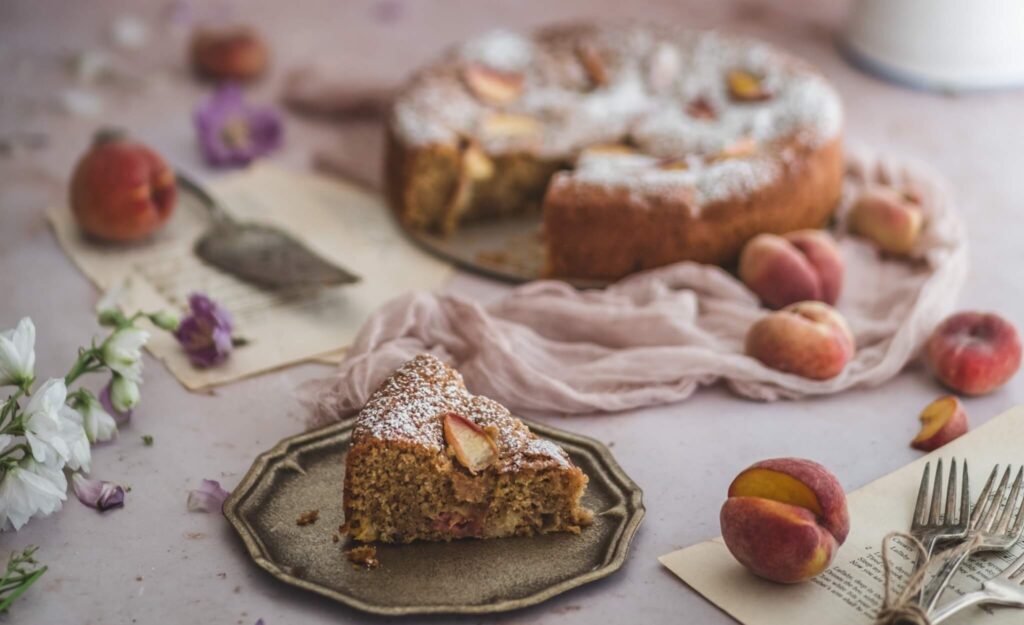
One of the best uses of fit cake recipes is to create protein-rich snacks for post-workout recovery. After exercising, your body needs a combination of carbohydrates and protein to restore energy and repair muscles.
Fit cakes made with oats, eggs, and protein powder are ideal for this purpose. Adding nut butter like peanut or almond butter boosts both protein and healthy fats. You can also mix in chia seeds or flaxseeds to increase omega-3 content.
Bananas, dates, and honey provide natural sugars that help replenish glycogen stores, making fit cake recipes a perfect post-workout treat. For a quick energy boost, bake mini muffins using these same ingredients.
They’re portable, easy to store, and can last for several days in the refrigerator. Pairing a slice of fit cake with a cup of unsweetened coffee or green tea makes for a balanced, energizing snack that supports your fitness routine.
Fit Cake Recipes: Balancing Flavor And Nutrition Together
The key to creating perfect fit cake recipes is maintaining the right balance between flavor and nutrition. While reducing sugar and fat is important, you don’t have to sacrifice taste.
Using natural flavor enhancers like vanilla extract, cinnamon, or unsweetened cocoa adds depth without unnecessary calories. You can also experiment with fruit combinations to create different flavor profiles.
For instance, apple and cinnamon add warmth, while lemon and blueberry bring freshness. Unsweetened coconut flakes or dark chocolate chips add texture and richness. The goal is to enjoy a dessert that feels indulgent yet light.
Fit cake recipes prove that healthy eating can be enjoyable and creative. They allow you to explore countless variations while keeping your diet balanced.
Whether for breakfast, an afternoon snack, or a post-workout reward, these sugar-free cakes will keep your energy steady and your taste buds satisfied.
See you in the next post,
Anil UZUN