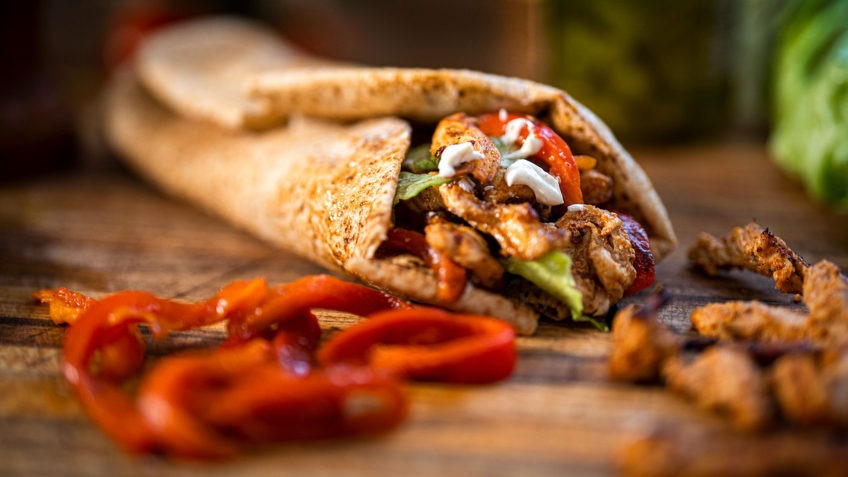
The aroma of freshly prepared homemade shawarma is impossible to resist. This Middle Eastern favorite has captured the hearts of food lovers worldwide thanks to its savory, spiced meat and rich, layered flavors.
While shawarma is often enjoyed from street vendors or restaurants, preparing it in your own kitchen is much easier than you might think.
Making homemade shawarma gives you complete control over every ingredient, allowing you to customize spices, adjust the richness of the marinade, and select the freshest cuts of meat.
Whether you prefer chicken, beef, or lamb, the process is essentially the same, and you can tailor each recipe to your tastes.
With the right techniques, you can achieve authentic taste and texture without specialized equipment. This guide will walk you step by step through preparation, marinating, cooking, and serving so that your homemade shawarma rivals the best takeout in town.
Let’s explore everything you need to create a delicious shawarma experience right in your own kitchen.
Homemade Shawarma: Essential Ingredients And Preparation
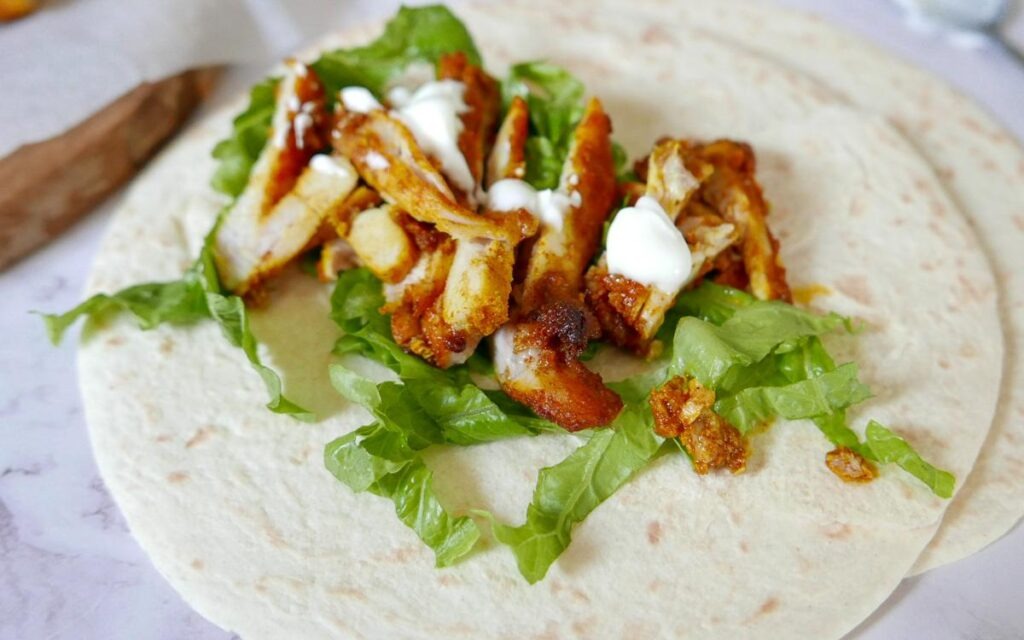
Before you start, gathering fresh, quality ingredients is key. Homemade shawarma relies on a well-balanced mix of spices and a good cut of meat to achieve that traditional flavor.
Here are the essential ingredients for classic chicken shawarma:
1 kilogram boneless, skinless chicken thighs or breast
4 cloves garlic, minced
1 large onion, sliced
Half a cup plain yogurt
3 tablespoons olive oil
2 teaspoons ground cumin
2 teaspoons ground coriander
1 teaspoon ground paprika
1 teaspoon ground turmeric
1 teaspoon ground cinnamon
Salt and freshly ground black pepper to taste
Juice of one lemon
If you prefer beef or lamb shawarma, you can use the same marinade and adjust the cooking time for thicker cuts. Yogurt and lemon juice in the marinade tenderize the meat and help the spices penetrate thoroughly.
After you gather the ingredients, prepare a large bowl for mixing. Combine the yogurt, olive oil, lemon juice, minced garlic, and all the spices. Stir until the marinade is smooth and aromatic.
Place the chicken in the bowl, coating every piece generously with the mixture. Cover the bowl tightly with plastic wrap and refrigerate for at least 4 hours. For best results, marinate overnight so the flavors fully develop.
Marinating Techniques For Maximum Flavor
Marinating is the heart of homemade shawarma. This step determines how tender, juicy, and flavorful your finished dish will be. While a quick marinade of a few hours can work in a pinch, longer marination ensures deeper seasoning.
Always slice or score thicker pieces of meat before marinating so the spices soak in evenly. Make sure each piece is well coated on all sides.
To enhance the marinade, consider adding a splash of vinegar or pomegranate molasses for a subtle tang. This touch balances the richness of the meat and adds a gentle acidity.
When storing the marinating meat, use glass or food-safe plastic containers. Metal containers can react with acidic ingredients and change the taste. Keep the meat refrigerated the entire time to prevent bacterial growth.
Before cooking, remove the meat from the fridge and allow it to sit at room temperature for 20 to 30 minutes. This helps it cook more evenly. With these marinating techniques, your homemade shawarma will be moist, flavorful, and unforgettable.
Homemade Shawarma Cooking Methods For Perfect Texture
Cooking homemade shawarma can be done in several ways depending on the equipment you have. While traditional shawarma is cooked on a vertical rotisserie, you can recreate the same tenderness and charred edges using your oven, stovetop, or grill.
Oven Method: Preheat your oven to 220 degrees Celsius. Place the marinated meat on a baking tray lined with parchment paper or in a shallow baking dish.
Bake for 25 to 35 minutes, turning the pieces halfway through for even browning. For extra crisp edges, broil for an additional 3 to 5 minutes at the end.
Grill Method: Preheat a grill to medium-high heat. Oil the grates to prevent sticking. Arrange the pieces on the grill and cook for about 6 to 8 minutes per side, depending on thickness. The smoky char from grilling adds authentic flavor to your homemade shawarma.
Stovetop Method: Heat a heavy skillet or grill pan over medium-high heat. Add a small amount of oil and cook the meat in batches so the pan is not overcrowded. Turn occasionally until fully cooked and nicely browned on all sides.
Regardless of the method you choose, always check that the internal temperature reaches at least 75 degrees Celsius for chicken to ensure food safety.
Serving Ideas And Sauce Pairings
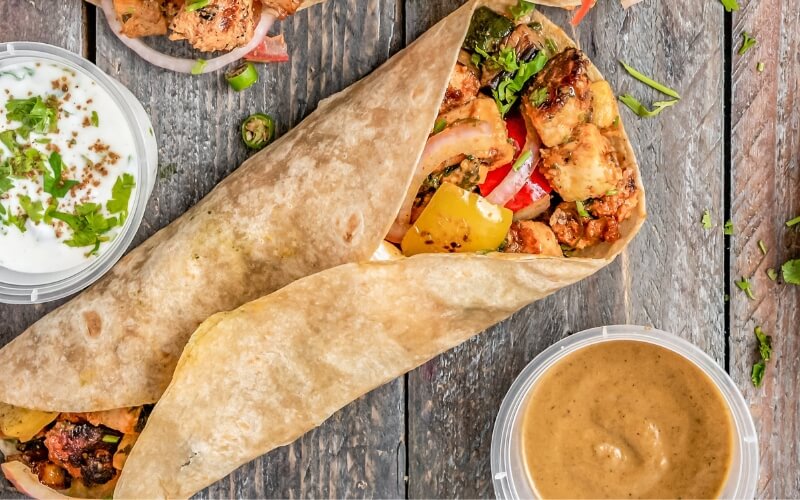
The right accompaniments elevate homemade shawarma from a simple meal to an unforgettable feast. The classic way to serve shawarma is wrapped in warm flatbread or pita, but you can also create shawarma platters with sides and salads.
Freshly chopped vegetables such as tomatoes, cucumbers, and lettuce add freshness and crunch. Thinly sliced red onions and pickles balance the richness of the meat.
Sauces play an essential role in shawarma’s signature taste. Here are a few popular options:
Garlic Sauce: Also called toum, this creamy emulsion of garlic, oil, lemon juice, and salt is a must-have. It adds bold, zesty flavor.
Tahini Sauce: Made from sesame paste, lemon juice, and a little water, this sauce is nutty and smooth.
Yogurt Sauce: Combine plain yogurt with minced garlic, lemon juice, and chopped fresh mint for a cool, refreshing dip.
Serve your homemade shawarma with warm flatbread, fresh salads, and your choice of sauces. For a more complete meal, add a side of rice pilaf or roasted potatoes.
Homemade Shawarma: Storage And Reheating Tips
If you have leftovers, storing and reheating them properly ensures your homemade shawarma stays delicious. Let cooked meat cool completely before transferring it to an airtight container. Refrigerate for up to three days.
For longer storage, portion the meat into freezer bags and freeze for up to two months. Thaw frozen portions overnight in the refrigerator before reheating.
To reheat, use a skillet over medium heat for the best texture. Adding a splash of water or a drizzle of olive oil prevents the meat from drying out. Warm until heated through but avoid overcooking.
Microwaving is also an option, though it can make the meat less juicy. If using a microwave, cover the meat with a damp paper towel and heat in short intervals.
Proper storage and reheating techniques will let you enjoy homemade shawarma anytime without sacrificing flavor or tenderness.
See you in the next post,
Anil UZUN