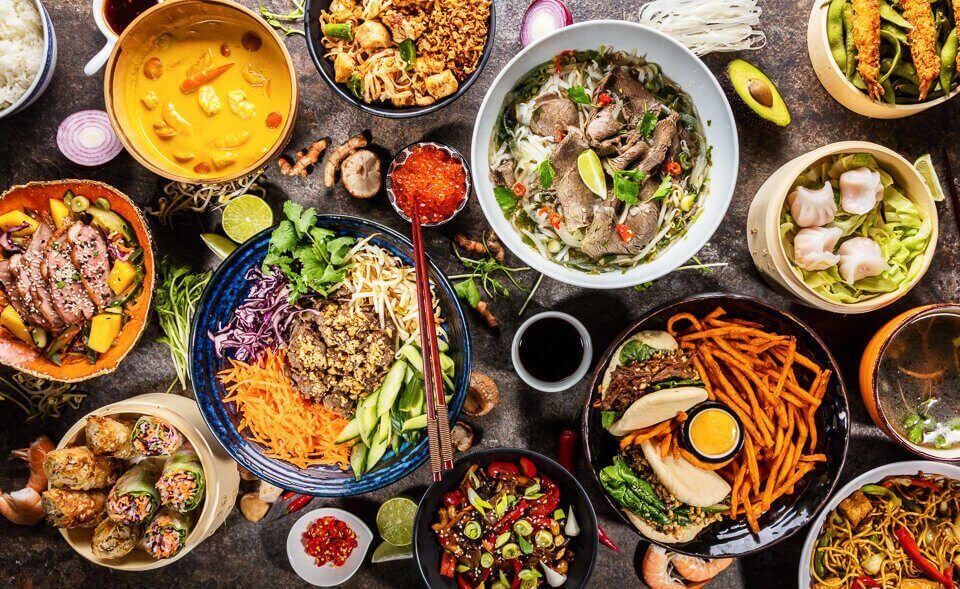
When it comes to cultural and family celebrations, nothing brings people together like food. Around the world, various holidays and special occasions are marked by a rich spread of traditional feast dishes that reflect local flavors, customs, and culinary heritage.
These dishes are more than just meals—they symbolize togetherness, gratitude, and continuity across generations.
Whether it’s Thanksgiving in the United States, Eid al-Fitr in the Middle East, Diwali in India, or Lunar New Year in East Asia, traditional feast dishes are at the heart of every celebration.
From slow-cooked meats and seasoned rice to hand-crafted sweets and symbolic side dishes, each item on the table tells a story.
In this article, we’ll explore the essence of traditional feast dishes, how they enhance festive moments, and what makes them irreplaceable in cultural celebrations around the world.
Traditional Feast Dishes Yo Brighten Your Holiday Table
Celebration meals are never ordinary. The food is carefully chosen, slowly prepared, and generously shared. Traditional feast dishes are designed not just to nourish, but to impress and bring joy to everyone at the table.
In many cultures, it’s common to prepare elaborate meals for guests and family members during holidays. These dishes often include recipes passed down from grandparents and great-grandparents, keeping traditions alive.
For example:
-
In Turkey, traditional feast dishes during Eid include lamb stew, stuffed grape leaves, and rice pilaf with currants and pine nuts.
-
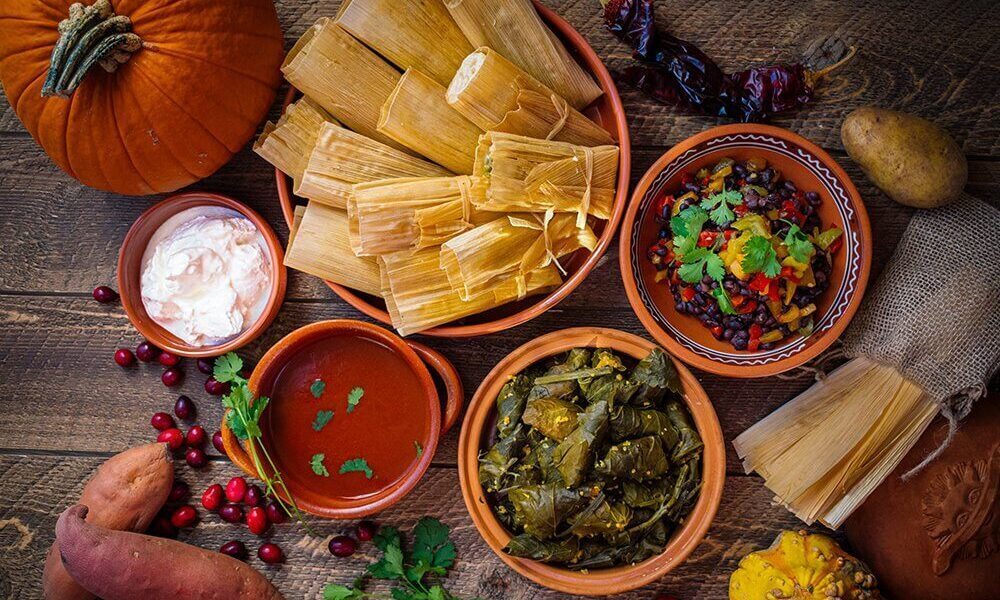
In Mexico, tamales and mole sauce represent iconic celebratory meals, especially around Christmas and Day of the Dead.
-
In India, biryani and sweet desserts like gulab jamun are must-haves during festivals such as Eid and Diwali.
-
In China, dumplings, whole fish, and longevity noodles are symbolic dishes for New Year celebrations.
By preparing these iconic meals, families strengthen their cultural roots while offering something delicious and meaningful to guests.
Popular Mains And Sides Served During Celebrations
No festive table is complete without a mix of hearty mains and flavorful side dishes. These form the core of traditional feast dishes, ensuring every guest finds a dish that connects with their memory or taste.
Here are some widely recognized examples of main courses and sides served during celebrations:
Main Dishes:
-
Roast lamb or beef: A common centerpiece in Middle Eastern and Mediterranean cultures.
-
Biryani: Aromatic rice and meat dish beloved across South Asia.
-
Whole roasted turkey or chicken: Popular in the US, UK, and various Christian traditions.
-
Stuffed vegetables: From dolma in Turkey to peppers in Eastern Europe, these offer both taste and color.
Side Dishes:
-
Seasoned rice or couscous: Often enriched with spices, nuts, and dried fruits.
-
Flatbreads and pastries: Such as naan, pita, or börek.
-
Vegetable stews: Such as ratatouille in France or tagine in Morocco.
-
Pickled vegetables and yogurt dips: These balance heavy dishes and add a refreshing contrast.
Each culture’s combination of mains and sides reflects local ingredients and culinary creativity. Including both on your menu helps you create a diverse and satisfying experience built around traditional feast dishes.
Traditional Feast Dishes: Cooking Tips And Cultural Significance
Preparing traditional feast dishes requires time, intention, and a touch of love. These meals are often associated with specific customs, cooking methods, and symbolic meanings that go beyond the recipe.
Cultural significance:
Many traditional feast dishes have symbolic roles. For example, whole fish during Chinese New Year symbolizes abundance. Lamb dishes at Easter or Eid mark celebration after fasting or sacrifice. Even the ingredients—such as pomegranates for fertility or rice for prosperity—carry deep meaning.
Cooking tips:
-
Start early: Feast meals usually involve long preparation. Marinate meats the night before or slow-cook dishes over several hours.
-
Stick to tradition, but adapt if needed: Honor the original method but feel free to substitute unavailable ingredients without losing the essence.
-
Use fresh herbs and spices: Quality seasonings make a big difference, especially in slow-cooked stews and rice dishes.
-
Cook in large batches: Feast meals are meant for sharing. Make extra portions so everyone can enjoy second servings—or take some home.
By learning about the background of these dishes and approaching them with respect, you don’t just prepare food—you preserve tradition.
Serving And Presentation Ideas For Festive Meals

The joy of traditional feast dishes is not just in the taste but also in how they are presented. A beautifully set table can elevate the entire experience and reflect the effort that went into cooking.
Serving suggestions:
-
Use traditional serving ware: Ceramic, brass, or copper dishes can match the historical roots of the food and add a touch of elegance.
-
Garnish generously: Chopped herbs, lemon wedges, or edible flowers make dishes pop visually and freshen up the palate.
-
Create a centerpiece: Roast meats or layered rice dishes often serve as table centerpieces, inviting attention and conversation.
-
Offer labels for each dish: In multicultural gatherings, people may not recognize every item. A small name tag or card helps guests feel more comfortable trying new things.
-
Separate courses or offer buffet-style: Depending on space and guest number, choose a structure that allows smooth movement and food enjoyment.
Presentation is particularly important when traditional feast dishes are shared across generations. It shows respect for the meal and those who contributed to it.
Traditional Feast Dishes That Blend Flavor And Heritage
The true beauty of traditional feast dishes lies in their ability to blend flavor with history. They connect people with their ancestry, their homeland, and even memories from childhood. At the same time, they provide familiar comfort and communal joy in today’s world.
These dishes often include:
-
Multi-layered flavor profiles: Combining sweet, savory, sour, and spicy elements in one plate.
-
Complex cooking techniques: Such as braising, smoking, fermenting, or hand-rolling.
-
Local ingredients and heritage grains: Like bulgur, millet, or heirloom legumes.
Moreover, they evolve with time. Many families create modern versions of traditional feast dishes that reflect changing tastes or dietary needs while preserving the heart of the recipe.
Whether you’re preparing a classic stew from your grandmother’s cookbook or adapting a festive dish with vegan alternatives, the goal remains the same: to celebrate, connect, and give thanks through food.
See you in the next post,
Anil UZUN