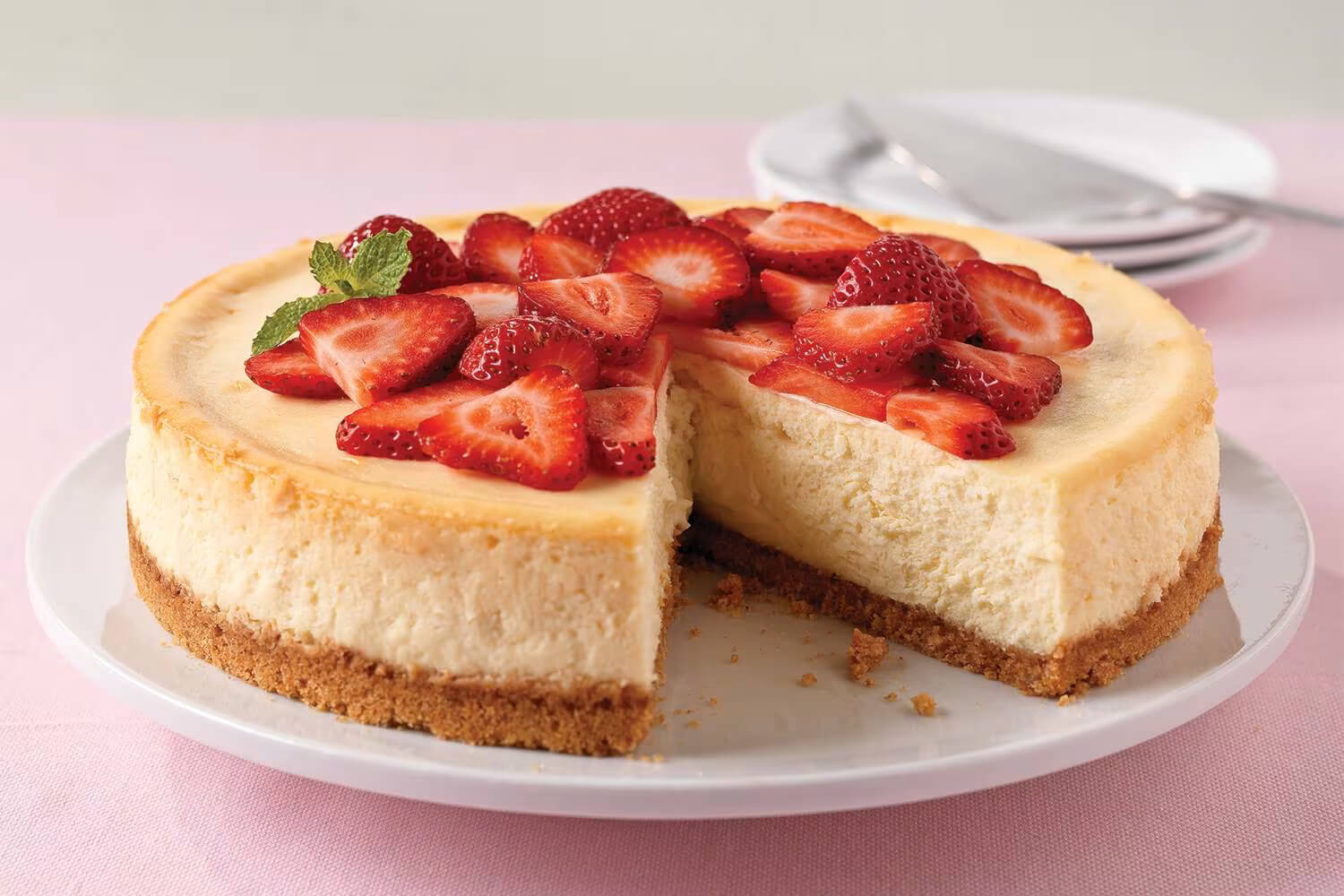
Making cheesecake at home is a rewarding and delicious experience for both beginners and seasoned bakers. With its creamy texture, buttery crust, and endless flavor possibilities, cheesecake has become one of the most beloved desserts across the globe.
While many assume it’s difficult to make, the truth is that with the right steps and techniques, you can master the art of homemade cheesecake with ease.
Whether you’re interested in the classic New York-style cheesecake or experimenting with chocolate, fruit, or no-bake versions, understanding the fundamentals is key.
From selecting the proper ingredients to getting the perfect texture, and from baking techniques to presentation tips, this guide covers everything you need to know about making cheesecake at home.
In the sections below, you’ll find practical advice, step-by-step instructions, and expert suggestions that will help you bake your cheesecake to perfection every single time.
Making Cheesecake At Home: Ingredients And Preparation Tips
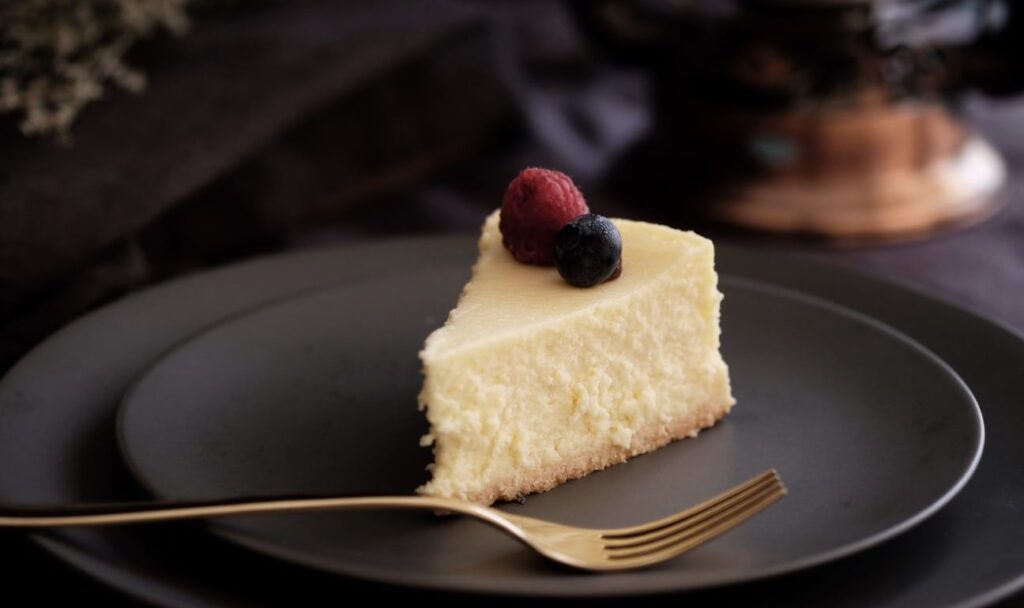
The first step in making cheesecake at home is gathering high-quality ingredients and understanding how to prepare them properly. The better your ingredients, the smoother, richer, and more flavorful your final result will be.
Basic Ingredients:
-
Cream Cheese: Always use full-fat cream cheese for a rich and creamy texture. Let it come to room temperature before mixing.
-
Sugar: Granulated white sugar is standard, but you can substitute it with brown sugar or even honey for flavor variations.
-
Eggs: Use large eggs at room temperature. Add them one at a time to prevent overmixing.
-
Sour Cream or Heavy Cream: Adds smoothness and balances the sweetness.
-
Vanilla Extract: Enhances flavor and adds aroma.
-
Butter and Graham Crackers (for the crust): Unsalted butter and crushed graham crackers or digestives form the base.
Preparation Tips:
-
Let all ingredients reach room temperature before you begin.
-
Avoid overmixing the batter, which can introduce too much air and cause cracking.
-
Use a springform pan for easy release and a smooth edge.
-
Grease the sides of the pan to reduce cracks and sticking.
The foundation for success when making cheesecake at home starts here — with thoughtful preparation and the right ingredient choices.
How To Make The Perfect Crust And Texture
The crust is more than just a base it provides balance, contrast, and structure. Whether you love it thick and crunchy or thin and delicate, mastering the crust is a key part of making cheesecake at home.
How to Make the Crust:
-
Crush the biscuits or crackers using a food processor or by hand.
-
Mix with melted butter and a pinch of sugar (optional).
-
Press firmly into the bottom of your springform pan. Use the base of a glass or measuring cup for an even layer.
-
Bake for 8–10 minutes at 170°C (if using a baked method) or chill it for at least 30 minutes in the fridge (for no-bake cheesecakes).
Texture Tips:
-
For a thicker crust, simply increase the quantity of crumbs and butter proportionally.
-
Consider adding ground nuts (like almonds or pecans) for added depth.
-
A pre-baked crust offers a crunchier bite, especially important if your filling is soft.
Making cheesecake at home becomes much easier and more satisfying when you find the perfect balance between your crust and filling.
Making Cheesecake At Home: Techniques For A Smooth Filling
A smooth, creamy filling is what defines an exceptional cheesecake. It’s what makes every bite feel luxurious. If you’re making cheesecake at home, here’s how to ensure your filling is just right.
Tips for a Smooth Filling:
-
Use room-temperature ingredients: This helps everything blend evenly and avoids lumps.
-
Beat the cream cheese thoroughly before adding other ingredients.
-
Add eggs one at a time: This helps maintain structure and prevent overmixing.
-
Use a low speed mixer: Overmixing adds air, which can cause the cheesecake to rise and then fall or crack.
-
Add a little cornstarch or flour: It stabilizes the mixture slightly, reducing the risk of cracks.
Baking Tips for a Smooth Finish:
-
Bake in a water bath (bain-marie): Place your springform pan inside a larger pan filled with hot water. This keeps the temperature gentle and even.
-
Bake low and slow: 150–160°C is ideal. High heat causes rapid rising and cracking.
-
Let it cool in the oven: After baking, turn off the oven and let the cheesecake sit inside for 30 minutes with the door ajar to prevent sudden temperature changes.
With these techniques, making cheesecake at home results in a velvety, bakery-quality dessert every time.
Baked Vs. No-Bake Cheesecake: Which Should You Try?
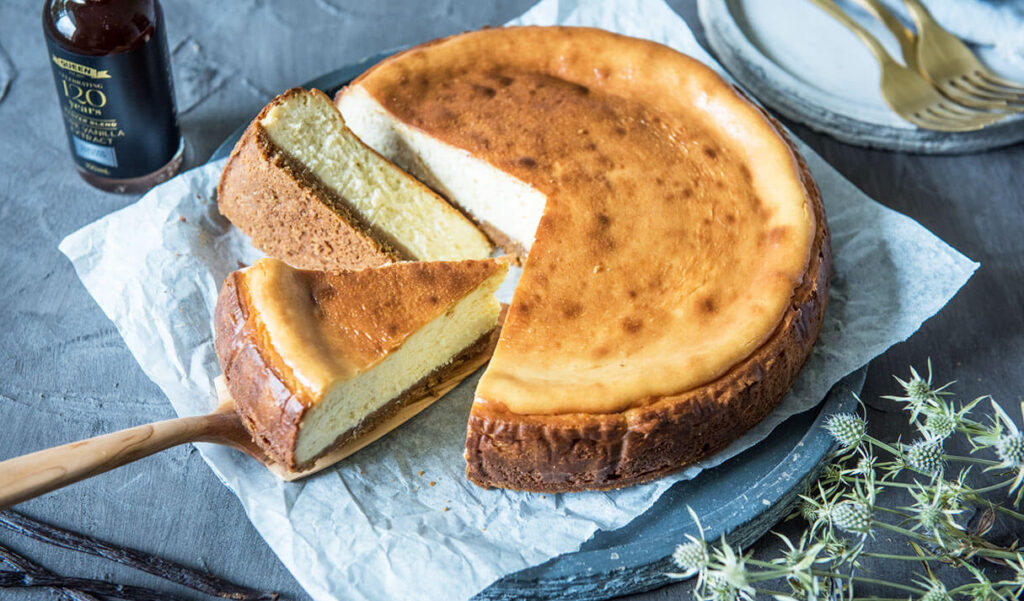
When making cheesecake at home, one major decision is whether to go the baked or no-bake route. Each method has its own advantages, depending on your taste preferences, schedule, and skill level.
Baked Cheesecake:
-
Texture: Dense, rich, and creamy.
-
Taste: More traditional, with slightly tangy undertones.
-
Preparation: Requires oven time, a water bath, and slow cooling.
-
Shelf Life: Longer; holds better over time.
No-Bake Cheesecake:
-
Texture: Lighter, mousse-like consistency.
-
Taste: Creamier and often sweeter.
-
Preparation: No oven needed; simply mix and refrigerate.
-
Setting Agent: Often uses gelatin or whipped cream for structure.
Which is better?
If you’re new to making cheesecake at home, no-bake is a great place to start. It’s quicker and easier. However, if you love the rich texture and classic flavor, baked cheesecake is the way to go.
Trying both versions will also help you discover which method best suits your personal style and taste.
Making Cheesecake At Home: Cooling And Serving Suggestions
You’ve assembled the ingredients, baked (or chilled) your cheesecake, and now it’s time for the final — but often overlooked — step: cooling and serving. When it comes to making cheesecake at home, how you finish it can elevate your dessert from good to outstanding.
Cooling Tips:
-
Don’t rush the cooling process. Let your cheesecake rest at room temperature for at least 1 hour after baking.
-
Refrigerate for a minimum of 4–6 hours, preferably overnight.
-
Loosen the edges with a knife before unclipping the springform pan to avoid tearing.
-
Use a hot, clean knife to slice your cheesecake for neat edges. Clean the knife between each cut.
Serving Suggestions:
-
Top with fresh fruit, fruit compote, or coulis (e.g., raspberry, blueberry, or mango).
-
Drizzle with chocolate ganache or caramel sauce.
-
Dust with powdered sugar or garnish with mint leaves for a clean finish.
-
Serve chilled with coffee or dessert wine for the perfect experience.
Proper cooling and presentation bring closure to the process of making cheesecake at home, ensuring your dessert is not only delicious but also visually irresistible.
See you in the next post,
Anil UZUN