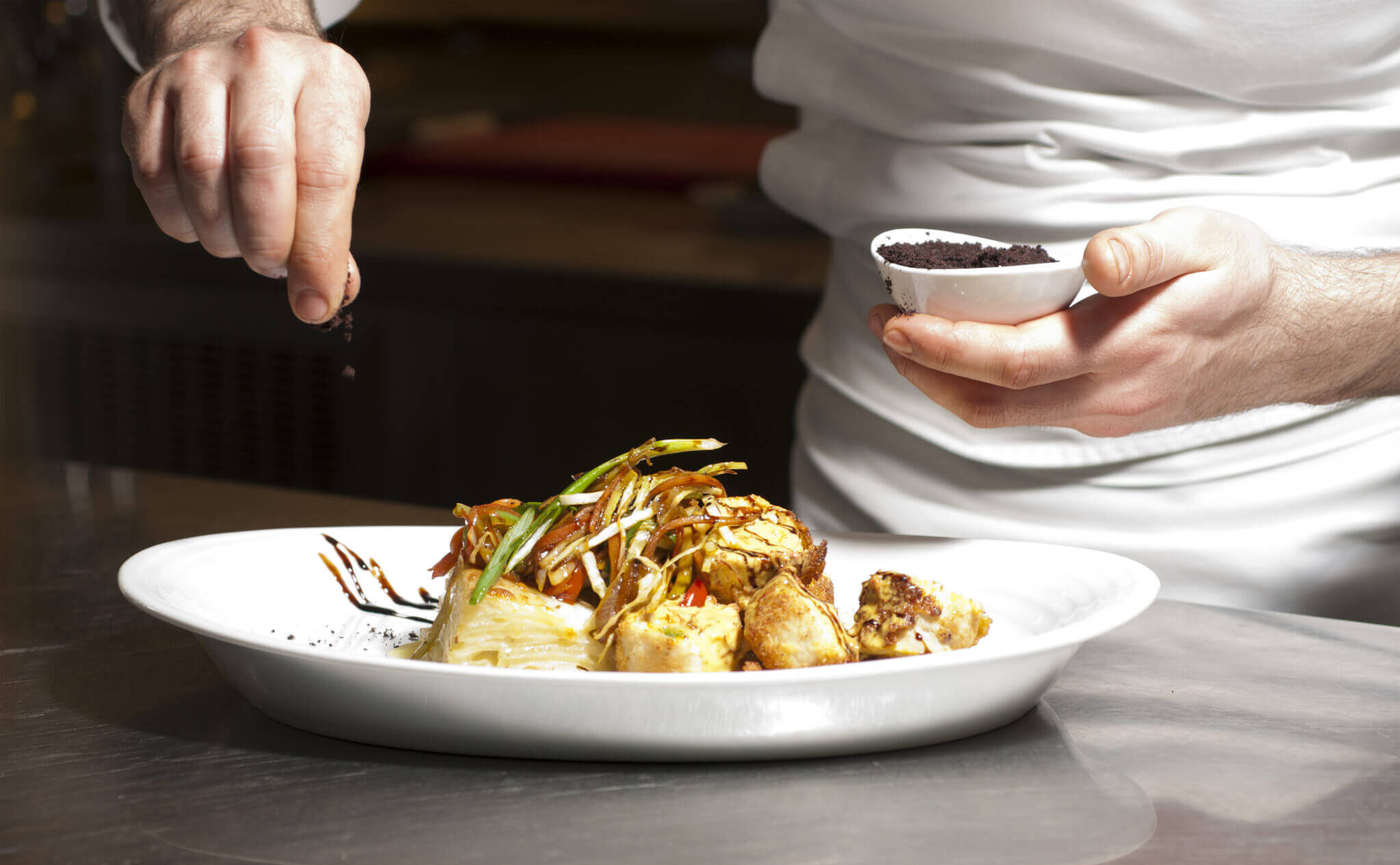
Food presentation is more than just an aesthetic detail; it is a powerful tool that influences how people perceive the quality, flavor, and care behind a dish.
Whether you’re a professional chef plating for a fine dining restaurant or a home cook preparing a meal for guests, the visual appeal of food can significantly elevate the overall dining experience.
In today’s social media-driven world, where meals are often shared through photographs before they are even tasted, food presentation has become as important as the recipe itself.
A well-composed dish not only stimulates the appetite but also communicates the creativity and personality of the cook. From color contrasts to minimalist garnishing, even simple techniques can dramatically enhance how a dish is received.
In this comprehensive guide, we’ll explore the essentials of food presentation, including how to enhance first impressions, choose the right plates and colors, apply easy plating methods, incorporate natural design elements, and avoid common mistakes that diminish professional appeal.
Food Presentation: Enhancing First Impressions Through Visual Appeal
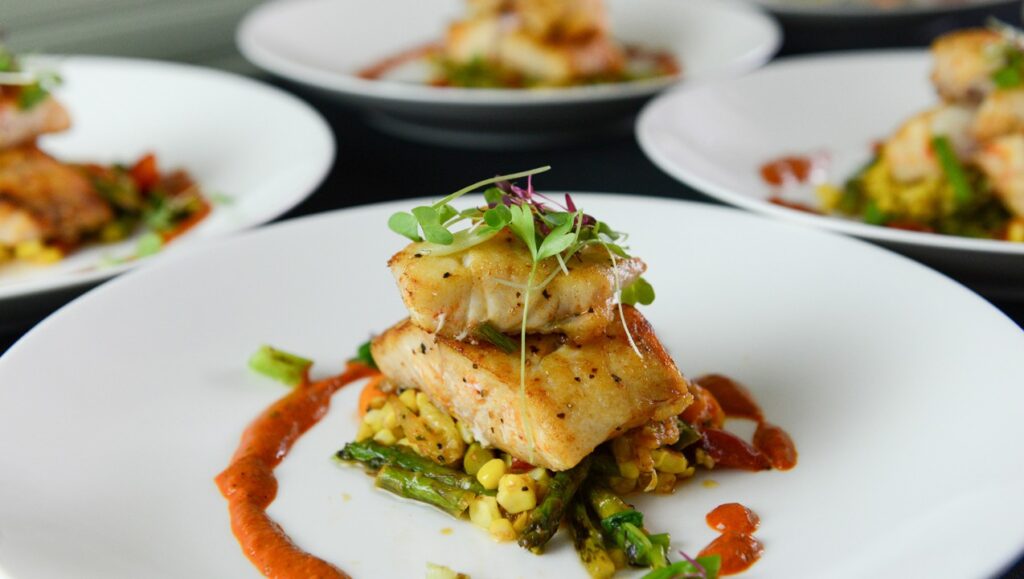
The saying “you eat with your eyes first” perfectly captures the importance of food presentation.
The first few seconds after a plate is placed in front of someone sets their expectations for taste and texture. A thoughtfully presented dish creates excitement and sets a positive tone even before the first bite.
Presentation tells a story. For example, rustic dishes benefit from earthy plating and bold colors, while refined entrées might look better with sleek arrangements and neutral tones. The goal is not only to make food look beautiful but also to reflect its character and style.
Even at home, practicing basic food presentation can turn a weeknight dinner into a special experience. Using fresh herbs, creating balance in plating, or choosing harmonious garnishes are all subtle yet impactful ways to make your meals memorable.
Remember: presentation is part of hospitality. A carefully arranged plate shows care, attention, and respect for the person eating it. That’s why food presentation is a vital skill for anyone interested in cooking beyond the basics.
Choosing The Right Plate And Color Combinations
Your choice of plate can either highlight your dish or distract from it. When it comes to food presentation, selecting the appropriate plate size, shape, and color is critical in achieving visual harmony and focus.
Plate Size:
Avoid crowding or overwhelming the plate. A properly sized plate allows for breathing room, helping each component of the dish stand out.
Plate Shape:
Round plates are classic and versatile, while square and rectangular plates offer a more modern feel. Use them based on the mood or theme of the meal.
Plate Color:
White plates are the most common choice because they offer a neutral background that highlights food colors. However, dark or bold-colored plates can enhance contrast, especially with light-colored dishes.
Color Combinations in Food:
Use the color wheel as inspiration. Contrasting colors like green vegetables with orange carrots or red beets with creamy cheese create vibrant visuals. Be cautious not to clash colors that make the dish look muddy or unappetizing.
Effective food presentation requires a balance between plate and food colors, encouraging visual interest without stealing attention from the dish itself. Simplicity is often the most elegant choice.
Food Presentation Techniques That Are Simple Yet Effective
Not every stunning plate requires hours of effort. In fact, some of the most eye-catching dishes rely on basic food presentation techniques that anyone can master with a little practice.
1. Use Height and Layers:
Stack or layer ingredients to create depth and structure. For example, place proteins atop grains or vegetables to build verticality.
2. Rule of Thirds:
Place the main component slightly off-center, following the rule of thirds to guide the viewer’s eye naturally across the plate.
3. Sauces as Decoration:
Instead of pouring sauces over food, use a squeeze bottle or brush to add clean lines, dots, or sweeps for an artistic touch.
4. Minimal Garnishing:
Use microgreens, edible flowers, or herb sprigs sparingly to complement (not overpower) the main dish. Always ensure garnishes are edible and relevant to the flavors.
5. Strategic Negative Space:
Don’t feel obligated to fill the entire plate. Clean, empty space can help highlight the food more effectively than cluttered arrangements.
By using these approachable methods, your food presentation becomes intentional and polished, even with everyday meals.
Incorporating Natural Elements For Elegant Plating
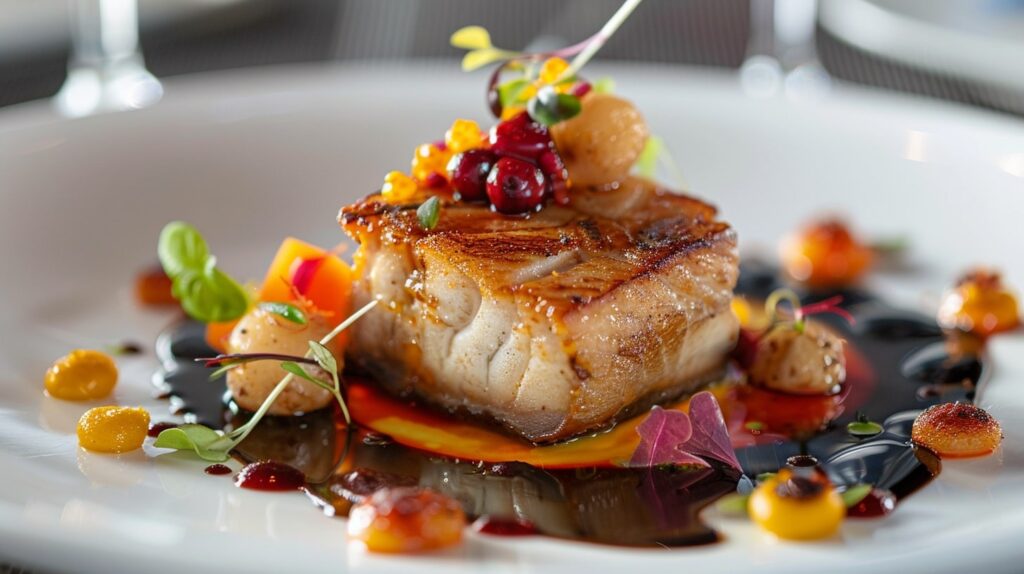
Bringing natural textures and tones into your plating can enhance food presentation in subtle and sophisticated ways. Natural elements evoke freshness, earthiness, and authenticity — qualities that resonate especially well with modern diners.
Wooden Boards and Bowls:
Perfect for rustic or artisan dishes. Great for presenting cheese platters, breads, and grilled items.
Stone and Slate Plates:
Ideal for minimalist dishes, sushi, or desserts. These materials provide striking visual contrast with vibrant foods.
Glassware:
Transparent bowls or plates are great for layered items like parfaits or salads, allowing guests to see every component.
Seasonal Garnishes:
Use garnishes that reflect the season — for example, pumpkin seeds in autumn or edible flowers in spring. This connection to nature adds subtle storytelling to your dish.
Natural Textiles:
Accompany your plate with linen napkins or wooden utensils for a warm, organic feel that enhances the overall food presentation experience.
Combining nature-inspired materials with thoughtful plating adds elegance and emotional depth to your food, making it not only delicious but also memorable.
Food Presentation Mistakes To Avoid For A Professional Look
Even with the best ingredients and intentions, small mistakes in food presentation can make a dish look amateur or unappealing. Here are the most common missteps and how to avoid them:
Overcrowding the Plate:
Too much food on a single plate looks messy and unappetizing. Serve in appropriate portions and give each component room to breathe.
Clashing Colors and Textures:
Stick to 2–3 dominant colors and avoid mixing too many textures that might overwhelm the eye or the palate.
Too Many Garnishes:
Don’t over-garnish for the sake of decoration. A plate littered with herbs or flowers can confuse the presentation and distract from the main elements.
Poor Timing:
Delaying the plating process can result in sauces drying up or hot items cooling down. Work quickly and efficiently once everything is cooked.
Dirty Plate Edges:
Always wipe the rim of the plate clean before serving. Even a small sauce spill can make an otherwise beautiful dish look careless.
Inconsistent Portioning:
Keep sizes uniform, especially when plating for multiple people. Consistency conveys professionalism and attention to detail.
By avoiding these pitfalls, your food presentation will reflect the same level of care you put into cooking the meal, ensuring a polished and appetizing final impression.
See you in the next post,
Anil UZUN