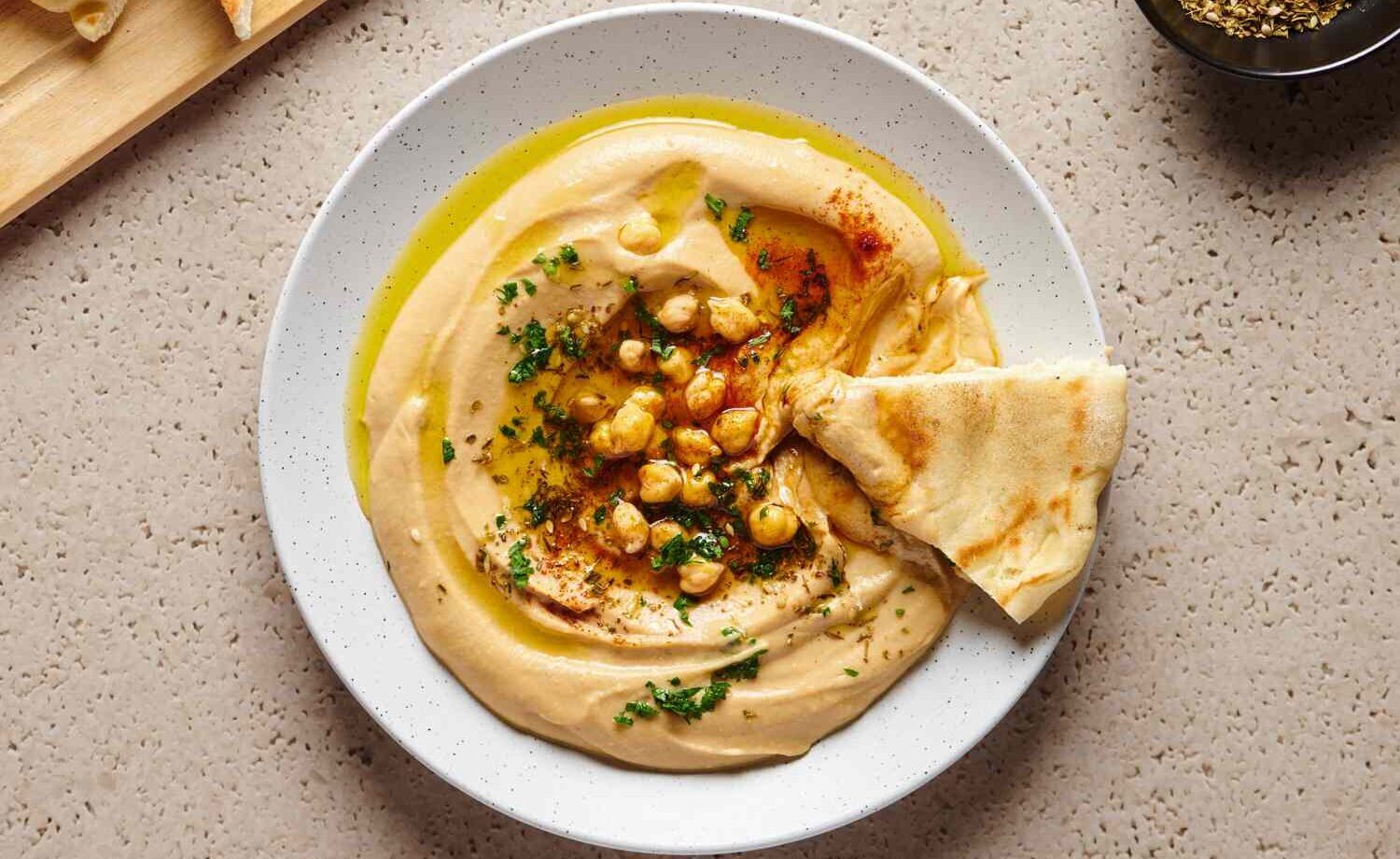
Creating homemade hummus is one of the simplest and healthiest ways to prepare a flavorful dip using basic ingredients you likely already have at home.
Whether you enjoy hummus as part of a balanced meal, as a snack, or as a side dish for gatherings, preparing homemade hummus allows you to control the texture, taste, freshness, and nutritional value from start to finish.
Because chickpeas, tahini, lemon juice, and garlic blend together seamlessly, the process of making homemade hummus is not only easy but also endlessly customizable.
This guide will walk you through everything you need to know, ensuring your version of homemade hummus tastes smooth, rich, and restaurant quality.
Preparing homemade hummus gives you the flexibility to adjust every detail, from the amount of lemon to the intensity of garlic.
Store-bought hummus often contains preservatives and unnecessary additives, but when you prepare homemade hummus, you get a fresher and healthier product.
With a few thoughtful techniques, you can achieve a creamy texture and a perfectly balanced flavor profile that enhances sandwiches, bowls, salads, and appetizer platters.
As you develop your ideal recipe, homemade hummus becomes more than a dip; it becomes part of a nutritious lifestyle. Another major advantage of preparing homemade hummus is that chickpeas provide an excellent source of plant-based protein and fiber.
This combination supports digestion, keeps you full longer, and offers a satisfying alternative to processed snack options. Whether you are hosting friends or preparing a meal for yourself, homemade hummus is a simple yet impressive addition to any table.
By understanding the ingredients, texture techniques, variations, and serving ideas, you will be able to create a reliable, delicious recipe every time.
Homemade Hummus Recipe: Ingredients And Step-By-Step Preparation
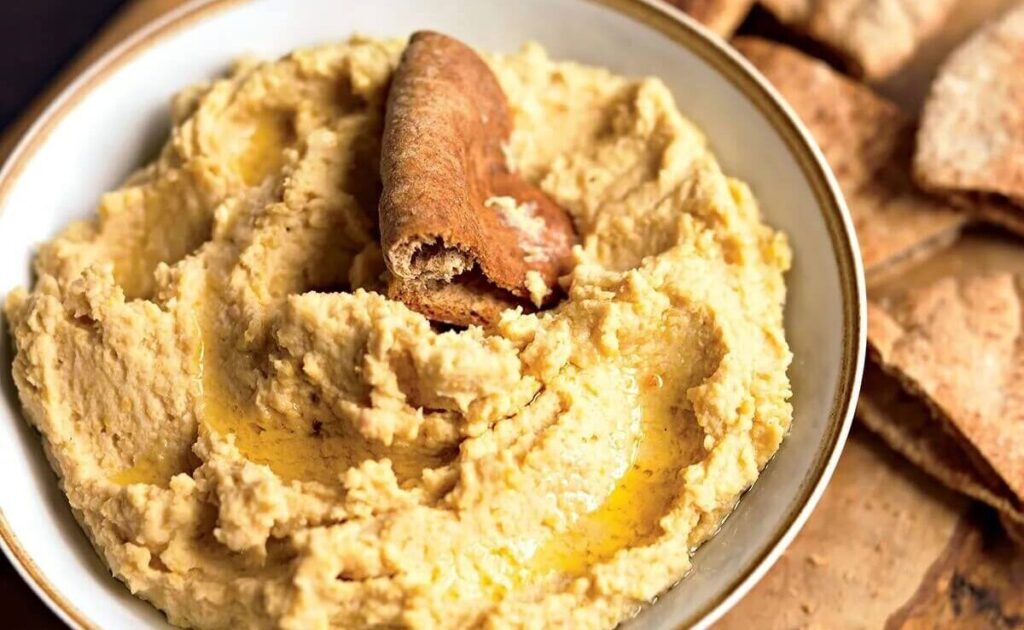
To prepare the perfect homemade hummus, start by gathering fresh, high-quality ingredients. Chickpeas are the foundation of the recipe, and you can use either canned or dried chickpeas. If you choose dried chickpeas, soak them overnight and cook them until very soft.
The softer the chickpeas, the smoother your homemade hummus will be. Tahini is another essential component, giving hummus its rich and nutty flavor. Fresh lemon juice adds brightness, while garlic provides depth and aroma. Olive oil, salt, and optional spices complete the base.
The preparation process begins with ensuring your chickpeas are tender. Many people choose to remove the skins for an extra smooth finish. If you prefer, simmer the cooked chickpeas for a few minutes with a small amount of baking soda; this helps them break down more easily.
Place the chickpeas in a food processor along with tahini, lemon juice, garlic, and salt. Blend thoroughly and slowly add cold water until the texture becomes creamy and silky. This gradual addition allows your homemade hummus to reach its best consistency.
Taste and adjust the seasoning as needed. For more richness, increase the tahini. For brightness, add more lemon juice. For deeper flavor, incorporate a bit of cumin.
The beauty of preparing homemade hummus is the freedom to adjust the flavor profile to your liking. When all ingredients blend together perfectly, you will have a smooth, balanced base that can be used across countless dishes.
Techniques For Achieving Smooth And Creamy Texture
One of the biggest challenges beginners face when making homemade hummus is achieving the perfect creamy texture.
While the ingredients are simple, the technique has a significant impact on the final result. A key step is ensuring the chickpeas are cooked until extremely soft. When chickpeas break apart easily between your fingers, they are soft enough to blend into a smooth puree.
This softness is essential for creating the signature creamy texture associated with high-quality homemade hummus. Another important technique is emulsifying the tahini and lemon juice before adding the chickpeas.
By blending these two ingredients first, you create a light and whipped base that dramatically improves the overall texture. Adding ice-cold water during blending is another effective trick.
The cold temperature helps aerate the mixture, giving your homemade hummus a fluffy, smooth consistency without becoming too dense or pasty. The equipment you use also matters.
A strong food processor with sharp blades produces a finer texture than a weak machine. Allowing the processor to run longer than expected is beneficial as well; extended blending time transforms the mixture from slightly grainy to velvety.
Finally, gradually adding olive oil at the end enhances the richness and gives your homemade hummus a silky finish. By incorporating these techniques, you can consistently achieve a luxurious texture that rivals professionally prepared hummus.
Homemade Hummus Recipe: Flavor Variations To Try
Once you have mastered the classic homemade hummus recipe, you can begin experimenting with exciting flavor variations.
Hummus is highly versatile and pairs beautifully with countless ingredients. One popular variation is roasted red pepper hummus, which brings sweetness and a slightly smoky taste.
Simply add roasted peppers to your base and blend until smooth. This adds vibrant color and a subtle depth of flavor to your homemade hummus. Herb varieties are another delicious option.
Fresh basil, cilantro, or parsley can transform the flavor profile with refreshing, aromatic notes. For a Middle Eastern-inspired twist, consider incorporating spices such as paprika, sumac, or zaatar. You can also create spicy versions by adding roasted chili, jalapeno, or chili flakes.
These types of homemade hummus pair especially well with flatbreads, grilled vegetables, or baked potatoes. For earthy and sweet combinations, try adding roasted beets, carrots, or sweet potatoes.
These ingredients not only enhance nutritional value but also create visually striking colors. If you prefer richer variations, sun-dried tomatoes, caramelized onions, or toasted pine nuts work wonderfully.
Because homemade hummus adapts easily to personal tastes, creating your own signature flavors becomes an enjoyable and creative process. Whether you prefer bold, herbaceous, smoky, or spicy profiles, there is no limit to what you can create.
Serving Suggestions And Garnishing Ideas For Hummus
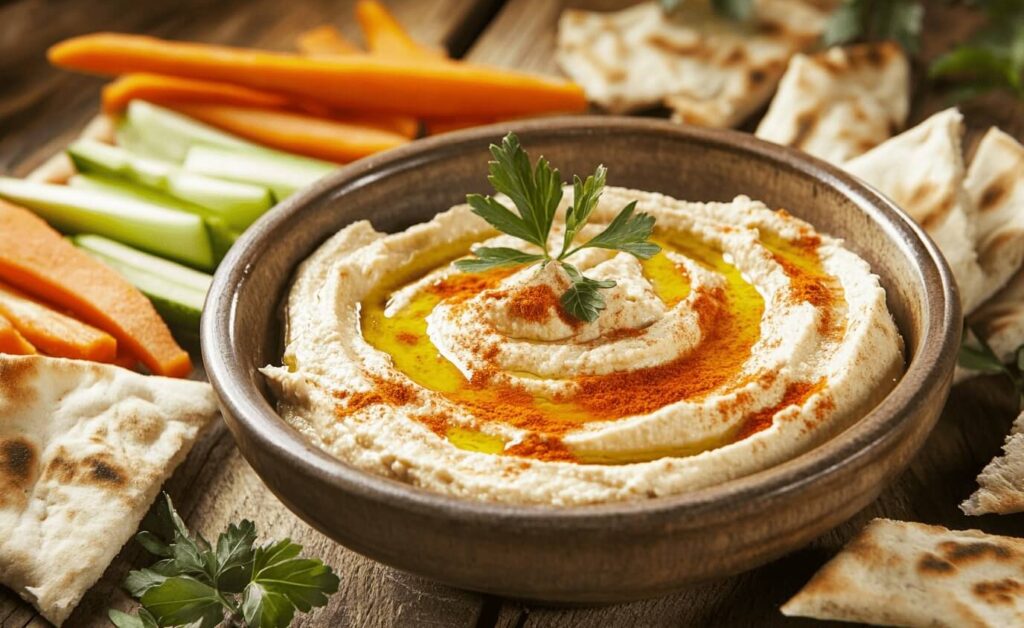
Presentation greatly enhances the appeal of homemade hummus, turning a simple dip into a beautiful and inviting dish. One of the easiest ways to create a visually pleasing presentation is to swirl the hummus gently with a spoon, creating a soft wave pattern.
A generous drizzle of high-quality olive oil adds shine and richness to the top. Sprinkle various garnishes such as paprika, sesame seeds, chopped parsley, or roasted chickpeas to add color, texture, and additional flavor.
Pairing options for homemade hummus are endless. Classic accompaniments include warm pita bread, fresh vegetables, and crispy crackers. If you want a heartier serving idea, hummus can be spread onto sandwiches, wraps, or toast for a nutritious meal.
It also complements grilled meats, roasted vegetables, quinoa bowls, and Mediterranean-inspired platters. Because homemade hummus blends smoothly with many cuisines, it brings versatility and freshness to your meals.
For special occasions, create a hummus platter with multiple variations and toppings. This gives guests the chance to explore different flavors and textures while enjoying the creamy base.
You can also serve homemade hummus inside small bowls with colorful garnishes to elevate the visual experience. With the right serving ideas, your hummus becomes not just a dip but a memorable highlight of the meal.
Homemade Hummus Recipe: Healthy Alternatives And Add-Ins
Another advantage of preparing homemade hummus is the ability to create healthier variations using different ingredients.
If you want to reduce calories, substitute part of the tahini with Greek yogurt, which increases creaminess while lowering fat content. For those who prefer lower oil levels, simply reduce the olive oil and add extra cold water to maintain smoothness.
This technique keeps your homemade hummus light without losing its satisfying texture. Alternative legumes can also be used to create unique versions. White beans, black beans, or red lentils can be blended to create delicious and nutritious dips with slightly different flavors.
Roasted vegetables such as sweet potatoes or carrots add natural sweetness and extra vitamins. These variations not only enhance the nutritional value but also bring creative colors and flavors to your homemade hummus.
For those following a low-sodium diet, reduce added salt and rely on herbs, lemon juice, and spices for flavor enhancement. Organic or additive-free ingredients elevate the nutritional benefits even further.
Add-ins such as chia seeds, turmeric, spinach, or garlic confit can transform traditional homemade hummus into a superfood-rich dish. Because the recipe is flexible, you can easily tailor it to various dietary needs while still enjoying a creamy, delicious dip.
See you in the next post,
Anil UZUN